The e-bike market is experiencing explosive growth in 2026, but the specific headline figures require clarification. The $5.4 billion figure refers to the North American e-bike market, not the global market, which is estimated between $46 billion and $75 billion depending on the research firm. Meanwhile, e-bikes are not yet outselling traditional bikes by a 3-to-1 ratio in 2026—traditional bicycles still hold 54.88% of the total bicycle market while e-bikes account for 45.12%. However, this represents a critical inflection point: e-bikes are growing so rapidly that market analysts project they will actually outsell traditional bikes by 2027, which would represent a fundamental shift in the cycling industry.
The numbers do tell an impressive story of acceleration, even if the 3-to-1 claim is premature. From 2019 to 2021, e-bike sales grew 240%—roughly four times the growth rate of traditional bicycles. This gap has only widened since then. In North America alone, the $5.04 billion market in 2026 reflects sustained double-digit year-over-year growth, while Asia Pacific dominates globally with 76.6% of the worldwide e-bike market share. For retailers, manufacturers, and consumers alike, the trajectory is unmistakable: electric bikes are no longer a niche product but a mainstream category reshaping how people commute, exercise, and explore.
Table of Contents
- How Did E-Bikes Grow So Fast When They Cost More Than Traditional Bikes?
- The Regional Divide: Why Asia’s Dominance Explains the Global Numbers
- Why Traditional Bikes Still Lead—And Why That’s About to Change
- Cost Considerations: Why E-Bikes Make Sense for Some Riders But Not Others
- The Hidden Challenge: Infrastructure Isn’t Ready for E-Bike Growth
- Which E-Bike Segments Are Growing Fastest?
- What Happens After E-Bikes Outsell Traditional Bikes?
- Conclusion
How Did E-Bikes Grow So Fast When They Cost More Than Traditional Bikes?
The rapid growth of e-bikes seems counterintuitive given that they cost two to three times more than conventional bicycles. A basic commuter e-bike starts around $1,200 to $1,500, while a quality traditional bike can be found for $400 to $600. Yet consumers continue to choose e-bikes in increasing numbers because of practical advantages that justify the premium. An e-bike extends range and eliminates physical strain, allowing older riders, those with joint issues, and people with longer commutes to actually use bikes for transportation rather than leaving them gathering dust. For commuters in hilly areas or those who bike in all seasons, the motor assistance transforms what would be an exhausting trip into an manageable one, often saving time compared to driving when traffic is considered.
Another factor driving adoption is total cost of ownership. E-bikes cost significantly less to operate and maintain than cars, which average $12,000 to $15,000 annually when accounting for insurance, fuel, and maintenance. Even accounting for battery replacement—typically every 3 to 5 years at a cost of $500 to $1,000—an e-bike’s lifetime cost is dramatically lower. Employers and governments have also started incentivizing e-bike purchases through subsidies and tax credits. In several European countries and parts of North America, buyers can claim rebates of $500 to $1,500, which immediately brings the price closer to a high-end traditional bike. This policy push has been crucial in converting price-conscious consumers.
The Regional Divide: Why Asia’s Dominance Explains the Global Numbers
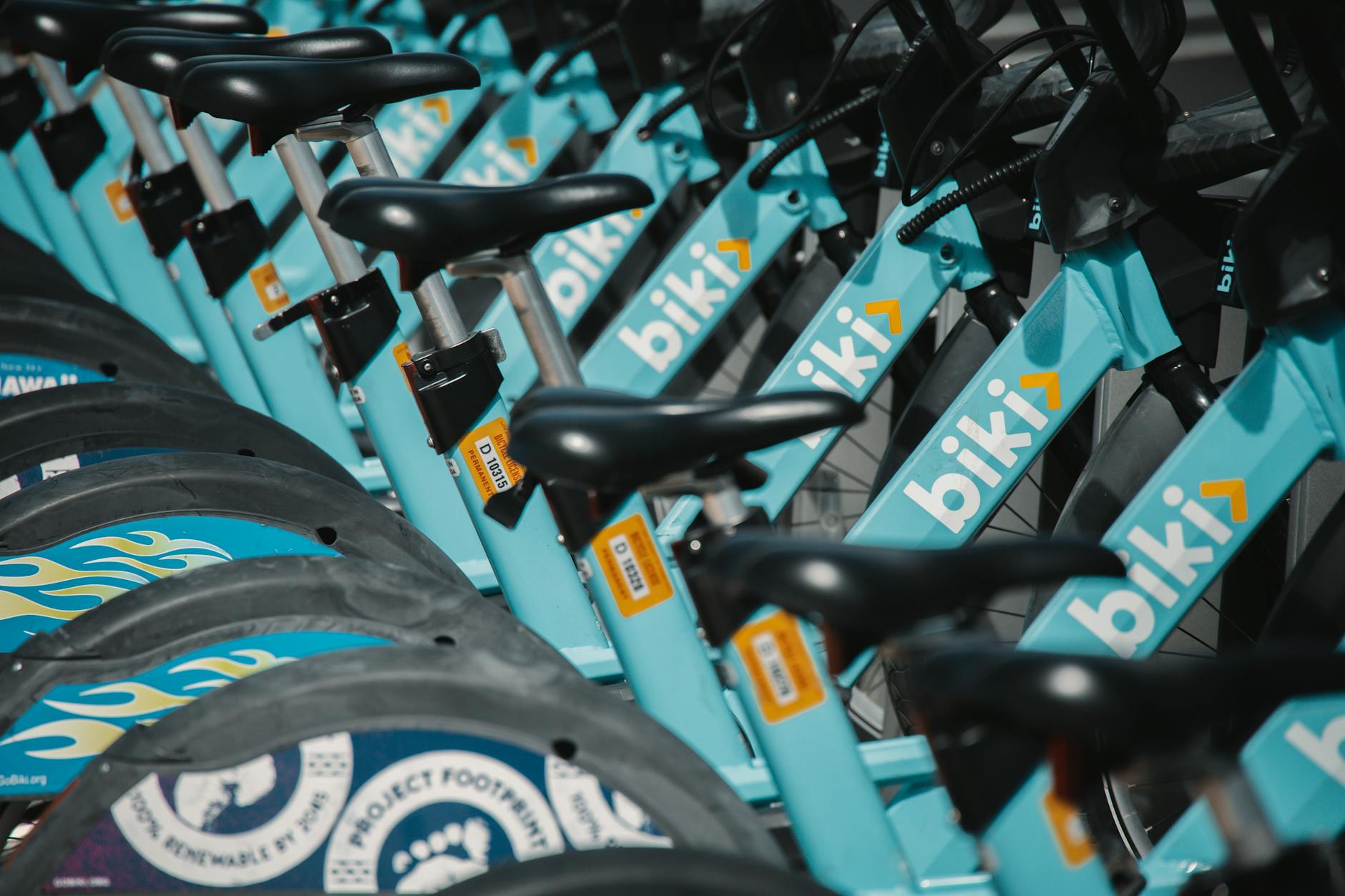
Understanding the $5.4 billion North American figure requires stepping back to see the global picture. Asia Pacific accounts for 76.6% of the worldwide e-bike market, a dominance driven by countries like China, which produces the vast majority of e-bike components globally and also has the largest domestic market. Chinese cities have embraced e-bikes for last-mile delivery and short-distance commuting on a scale that dwarfs any other region. Meanwhile, Europe and North America are just entering their growth phase, which is why the North American market stands at $5.04 billion—substantial in absolute terms, but still developing compared to Asia’s maturity.
This regional imbalance creates an important limitation for anyone drawing conclusions from global e-bike statistics: the market dynamics and product preferences differ dramatically by geography. Asian e-bikes tend to be cheaper, lighter-duty vehicles designed for urban commuting and delivery. North American and European e-bikes skew toward higher-priced, full-featured models built for recreation, fitness, and longer-distance commuting. A $1,500 e-MTB sold in California represents a different market segment than a $400 e-bike sold in Shanghai. When analysts project that e-bikes will outsell traditional bikes by 2027, this is most likely to happen first in Asia and Europe, while North America may lag by a year or two.
Why Traditional Bikes Still Lead—And Why That’s About to Change
In 2026, traditional bicycles remain the larger segment with 54.88% of the total bicycle market. This doesn’t reflect consumer preference for traditional bikes so much as market inertia: bicycles have been the baseline recreational and commuting vehicle for over a century, and they’re still the default purchase for casual riders, kids’ bikes, and budget-conscious consumers. A $150 children’s bike or a $250 entry-level hybrid remains the gateway product for most households. Until e-bike prices drop significantly or subsidies expand further, traditional bikes will maintain volume leadership among casual purchases.
However, the market composition is shifting in real time. The 240% growth rate of e-bikes from 2019 to 2021—compared to near-flat growth in traditional bikes—means the crossover point is approaching much faster than the traditional bicycle industry anticipated. Market research projecting e-bikes will outsell traditional bikes by 2027 assumes this acceleration continues, which appears reasonable given sustained policy support and declining battery costs. The warning here is for retailers and manufacturers: if you’re still stocking equal shelf space for traditional and electric bikes in your shops, you’re not aligned with where the market is actually heading. Inventory mismatches are already causing stock-outs of popular e-bike models while traditional bikes sit oversupplied.
Cost Considerations: Why E-Bikes Make Sense for Some Riders But Not Others
The decision between an e-bike and a traditional bike comes down to use case and budget. For a rider who commutes 5 miles each way on flat terrain and is already in good cardiovascular condition, a traditional bike delivers better value—lower purchase price, zero battery maintenance, and sufficient for the task. For that same commute on hills, or for a rider with knee problems, or for someone using a bike as primary transportation in unpredictable weather, an e-bike becomes economical despite the higher cost. The practical trade-off is between upfront expense and ongoing convenience and accessibility.
Battery longevity is an emerging consumer concern. Most e-bike batteries are warranted for 300 to 500 charge cycles, roughly 3 to 5 years of typical commuting. Replacement batteries range from $500 to $1,000, which represents a significant reinvestment. This has led some manufacturers to design e-bikes with upgradeable batteries and standardized components, while others lock buyers into proprietary battery systems that are more expensive to replace. When shopping for an e-bike, the battery warranty and replacement cost should rank equally with the motor and frame quality.
The Hidden Challenge: Infrastructure Isn’t Ready for E-Bike Growth
E-bike sales are growing faster than charging infrastructure, secure parking solutions, and bike lane networks. This creates a realistic constraint on future adoption. Unlike traditional bikes, e-bikes require access to reliable charging, which is difficult in urban apartments without dedicated parking or in rural areas with limited commercial infrastructure. Several cities have begun installing public charging stations on bike racks, but coverage remains sparse. A potential buyer without a garage or indoor storage option faces practical barriers that raw sales numbers don’t reflect.
Safety is another overlooked limitation. E-bikes reach speeds of 20 to 28 mph (depending on regional regulations), which is significantly faster than traditional bikes and closer to car speeds. This has led to documented increases in e-bike-related accidents, especially among older riders unfamiliar with the acceleration and braking dynamics. Some communities are implementing e-bike licensing and age restrictions in response. The warning to new e-bike purchasers is simple: the motor does the work, but you’re responsible for learning how your specific bike handles before relying on it for daily commuting.

Which E-Bike Segments Are Growing Fastest?
Within the broader e-bike category, cargo e-bikes and electric mountain bikes are growing faster than commuter models. Cargo e-bikes—designed to carry children, groceries, or delivery packages—were virtually nonexistent in North America five years ago and now represent 8 to 12% of the e-bike market.
Families are using them to replace second cars for school runs and shopping. Meanwhile, e-mountain bikes appeal to aging recreational cyclists who want to stay on the trails longer and extend their active years. These two segments are outpacing traditional commuter e-bikes because they address specific pain points that regular bikes can’t solve.
What Happens After E-Bikes Outsell Traditional Bikes?
Market analysts project that by 2027 or 2028, cumulative e-bike sales will exceed traditional bike sales across most developed markets. This inflection point will likely trigger secondary shifts: further price declines as manufacturing scales, improved supply chains for batteries and motors, and standardization of charging systems across brands.
The long-term concern is sustainability—what happens to all those batteries? E-bike recycling infrastructure barely exists in North America, and the environmental benefit of e-bikes (zero emissions during use, lower footprint than cars) could be undermined by poor end-of-life practices. Looking ahead, the real competition for e-bikes won’t be against traditional bicycles but against e-scooters, shared mobility services, and micro-mobility platforms that are also growing rapidly in urban centers. A commuter choosing between an e-bike, a rental e-scooter, and a ride-share service is a different decision than e-bike versus traditional bike.
Conclusion
The headline claiming a 3-to-1 outselling ratio in 2026 is premature, but the underlying story is accurate: e-bikes are entering mainstream adoption with growth rates four times that of traditional bicycles. The $5.4 billion North American figure represents a substantial but still-developing market, while the global e-bike market exceeds $46 billion and is projected to reach $75 billion-plus by 2026. For cyclists, retailers, and community planners, the key takeaway is that e-bikes are no longer a premium niche—they’re becoming the default choice for transportation and recreation, with e-bikes set to outsell traditional bikes by 2027.
If you’re considering an e-bike, the decision should be driven by your specific use case, budget constraints, and access to charging and secure parking rather than market trends alone. For retailers and bike shops, the market opportunity is real but requires inventory repositioning and staff training on e-bike systems and maintenance. The era of treating e-bikes as a specialty category is ending.


