Most home mechanics think they understand wheel maintenance until they realize their slightly bent rim has become a cracked, unrepairable disaster. Wheel truing—the process of realigning a bent or wobbling wheel—is one of those skills that looks simple until you get it wrong, and the consequences can be expensive. What many cyclists don’t know is that catching and fixing a minor wheel issue early costs between $15 and $25 at a local bike shop, but ignoring it or attempting an amateur fix can lead to the complete failure that forces you to buy a replacement wheel costing $40 to $250 or more, depending on your bike’s quality. The difference between a quick fix and a major financial setback often comes down to understanding exactly what wheel truing involves and when you need professional help versus when you can handle it yourself.
The real cost of ignoring wheel problems isn’t just about money—it’s about safety and the cascading damage that happens when you continue riding on an out-of-true wheel. A wheel that’s bent even slightly causes vibrations, uneven tire wear, and stress on your suspension system. Worse, if you don’t catch the problem and try to handle it without the right knowledge, improper spoke tension adjustment can lead to rim cracking, hub damage, and spoke failure. The scenario that costs you $250 is usually this: you notice your wheel wobbling, guess at the spoke adjustments, make it worse, keep riding anyway, and eventually the rim damage becomes irreversible. By then, you’re not paying for a $20 truing—you’re replacing the entire wheel.
Table of Contents
- Why Most Home Mechanics Get Wheel Truing Wrong (And What It Costs Them)
- The Hidden Dangers of Improper Spoke Tension and Rim Damage
- What Professional Wheel Truing Really Protects Against
- DIY Truing Tools and When They Actually Make Sense
- When Wheels Require Annual Inspection (And Why Most Riders Skip It)
- The Reality of Wheel Replacement Costs Across Different Bike Types
- The Long-Term Economics of Maintenance Versus Replacement
- Conclusion
Why Most Home Mechanics Get Wheel Truing Wrong (And What It Costs Them)
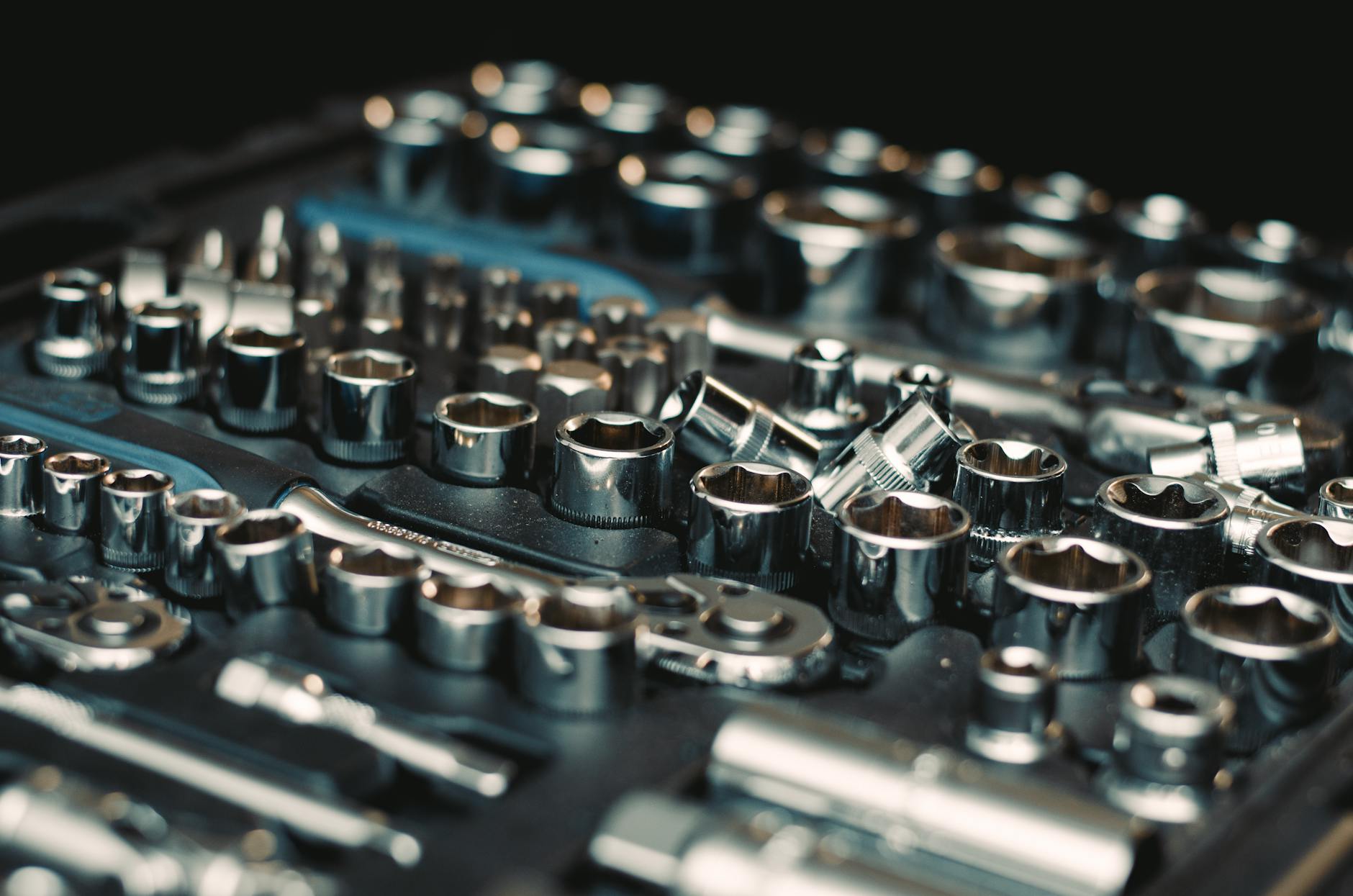
Home mechanics often approach wheel truing with the same confidence they bring to other bike repairs, but this one demands precision and specific tools. A spoke wrench costs only $10 to $20, making it seem like an easy DIY project, but using one without proper understanding is like performing surgery with a butter knife. The real problem isn’t the tool itself—it’s that wheel truing requires three separate skills most people don’t have: understanding lateral true (side-to-side wobble), understanding radial true (up-and-down hop), and most importantly, knowing proper spoke tension. If you tighten spokes without understanding how they interact, you’ll create new problems while trying to fix the old one.
What makes this expensive is how quickly mistakes compound. A slight over-tightening of one spoke can create a dent in the rim that wasn’t there before, especially on aluminum wheels. Now you’ve moved from a $15-$25 truing job to potential rim damage that might require a full wheel rebuild at $150-$250 plus parts. And here’s what most home mechanics truly don’t know: once a rim is dented enough, it can’t be trued at all—the structural integrity is compromised. The rim might still appear to be holding air, but the tire bead won’t sit properly, leading to leaks, cracks, and eventually complete wheel failure that forces replacement.
The Hidden Dangers of Improper Spoke Tension and Rim Damage
The mechanics of wheel truing are deceptive in their complexity. When spokes lose tension unevenly, they don’t just create a wobble—they set up a stress pattern where the rim is constantly flexing in ways it wasn’t designed to. This stress concentrates at certain points on the rim, eventually causing the kind of cracking that no amount of tensioning can fix. Professional mechanics understand that spokes need to be checked not just for tension but for equal tension around the entire wheel. A tension checker tool, which costs around $43, is something most home mechanics don’t own, yet it’s critical for knowing when you’ve achieved proper balance.
One limitation that catches people by surprise is that some wheels simply aren’t worth truing. If a wheel has significant damage—a major dent, multiple bent spokes, or existing cracks—the time and cost of professional repair might exceed the cost of replacement, especially on budget bikes. A dented rim can cause tire bead failure, leaks, cracks, and potential wheel failure that puts you at risk. When you’re looking at a midrange alloy wheel replacement at $40-$150 for a single wheel, the question becomes whether spending $50-$250 on a rebuild makes sense. For many cyclists, the answer is no, which means they end up replacing the wheel anyway after first wasting money on attempted repairs.
What Professional Wheel Truing Really Protects Against
Taking your wheel to a professional bike shop costs between $15 and $60 per wheel depending on complexity and location, but what you’re paying for isn’t just the adjustment—it’s the diagnosis and prevention of larger problems. A professional mechanic looks at your wheel and can immediately tell you whether it’s a simple truing job or whether the damage has progressed beyond repair. They have the experience to spot signs of hub issues, spoke deterioration, or rim fatigue that you might miss until it’s too late. Consider a real example: you hit a pothole and your wheel develops a slight wobble.
You ignore it for two weeks because it “still works.” During those two weeks, the wobble stresses the spokes unevenly, some lose tension, and the rim develops a small dent you can’t see from the outside. When you finally take it to a shop, the $20 truing fee has now become a $50-$100 repair because the mechanic has to address the dent, re-tension all the spokes correctly, and check the hub alignment. If you’d brought it in the next day, the cost would have been one-third of that. This is the hidden economics of wheel maintenance: the price of delay is almost always more than the price of immediate action.
DIY Truing Tools and When They Actually Make Sense
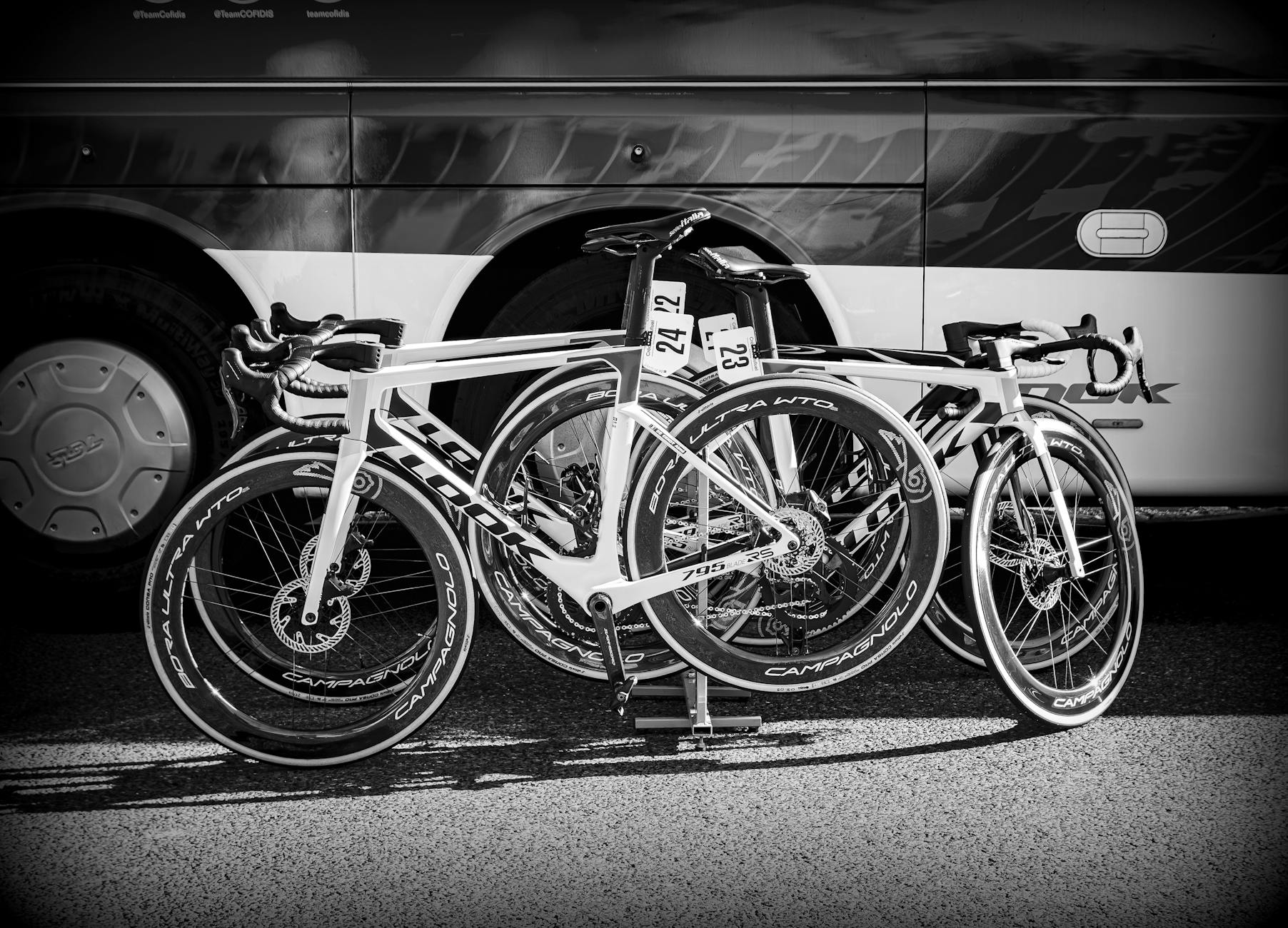
Building a basic home truing setup requires a truing stand ($50-$200 depending on quality), a spoke wrench ($10-$20), and ideally a tension checker ($43). Budget options exist—an Xtool stand, for instance, costs around $63—making the total investment for a minimal setup around $120-$150. For someone who maintains multiple bikes and has some mechanical aptitude, this can be worthwhile. However, the tradeoff is that you’re now responsible for diagnosing whether a problem is actually fixable versus just making yourself feel like you’re fixing it. The real limitation of home truing is repeatability and accuracy.
Professional stands are calibrated differently, shops have multiple types of stands for different rim designs, and mechanics have thousands of hours of practice knowing exactly how much force to apply. A home mechanic with basic equipment might get a wheel “good enough” to ride, but probably won’t achieve the precision of a professional job. That “good enough” wheel might develop problems a month later that the professional would have caught and prevented. The practical rule: if you have one bike and ride casually, professional truing ($15-$25) makes more sense than investing in equipment. If you have three or more bikes or do regular maintenance, the equipment investment pays off over time.
When Wheels Require Annual Inspection (And Why Most Riders Skip It)
Wheels require at least annual inspection, and more frequently for riders who put serious miles on their bikes. Yet most cyclists only think about their wheels when something’s obviously wrong. The correct approach is a quick visual check before every ride and a thorough inspection every season. What should you be looking for? Visible wobbles side-to-side, up-and-down hop, any cracks in the rim, spokes that look loose or bent, or unusual wear patterns on your tires that might indicate wheel problems.
Here’s the warning most people ignore: if you wait until you hear grinding or feel grinding through your hands, you’ve waited too long. At that point, damage is usually serious. A warning sign many riders miss is uneven tire wear on the inside or outside edge—this usually means the wheel is bent in a way that’s actually causing your fork or frame alignment problems too. What starts as a single wheel issue can damage your entire bike if left unchecked. The mechanics that cost you $250 in wheel replacement are almost always the ones where someone rode on an out-of-true wheel for weeks or months, compounding the damage with every ride.
The Reality of Wheel Replacement Costs Across Different Bike Types
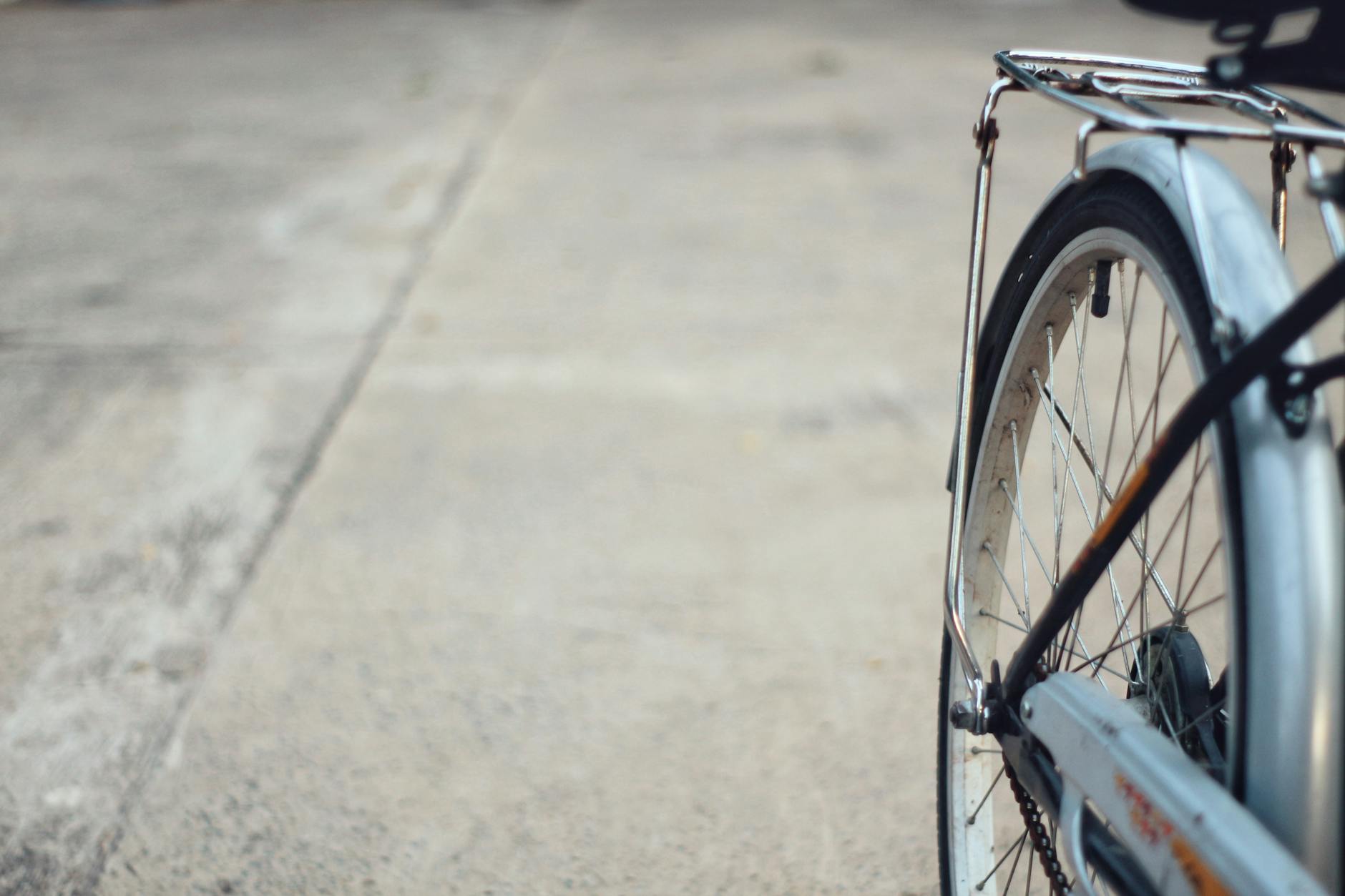
If you do end up needing a full wheel replacement, the cost depends entirely on what category of bike you own. Budget commuter wheels run $30-$80, and while these are cheaper to replace, they’re often the wheels on entry-level bikes where the damage happened because nobody was maintaining them in the first place. Midrange alloy wheelsets cost $80-$250 for a complete wheelset or $40-$150 for a single replacement wheel, which is what most recreational cyclists deal with. High-performance wheels can cost $150-$400 per wheel, which is why serious cyclists are religious about wheel maintenance and inspection—they can’t afford to be casual about it.
The psychological impact of this pricing is that many cyclists simply accept a damaged wheel as a cost of ownership rather than spending money on professional truing. But this is exactly backward. A $20 professional truing job done immediately prevents the $150 wheel replacement that happens three months later. The most expensive decision you can make is continuing to ride on a wheel you know is bent, hoping it somehow fixes itself.
The Long-Term Economics of Maintenance Versus Replacement
Wheel maintenance becomes cheaper the earlier you catch problems, but it also becomes easier the more systematically you approach it. Establishing a routine—checking your wheels before every longer ride, doing a formal inspection twice a year, and visiting your local shop the moment you notice something wrong—costs almost nothing in time but saves enormous amounts in money and frustration. This is true whether you’re maintaining your own bike or taking it to professionals.
The future of wheel technology might change some of this—wider rims, disc brakes reducing spoke tension loads, and better hub designs could make wheels more durable and less prone to truing issues. But for the foreseeable future, wheels are vulnerable components that need attention. The cyclists who end up spending $250 on wheel replacement are the ones who treated their wheels like they’d last forever. The cyclists who spend $15-$25 on regular truing and catch problems early are the ones who get thousands of miles from their wheels.
Conclusion
The expensive wheel replacement that costs you $250 is almost never about wheel failure that couldn’t have been prevented. It’s about the gap between knowing that wheel truing matters and actually doing something about it. Whether you choose to learn truing yourself or take your wheels to professionals, the critical thing is consistency—noticing problems early, understanding that a $20 repair now prevents a $150 replacement later, and recognizing that wheel maintenance is non-negotiable if you want to keep your bike safe and reliable. Your next step is simple: do a visual inspection of your wheels right now.
Look for wobbles, dents, or cracks. If you see anything that concerns you, take your bike to a local shop and ask them to check the wheels. It’ll cost $15-$25 and potentially save you hundreds. More importantly, add wheel inspection to your regular maintenance routine—before every long ride, and a thorough check at least twice a year. That’s the difference between cycling that costs you $250 in surprise repairs and cycling that costs you almost nothing.


