Yes—a full-suspension mountain bike, which adds a rear shock that lets the rear wheel move over obstacles, is worth it for cyclists who regularly ride rough trails. No—it is usually unnecessary for riders who prioritize smoother routes, climbing efficiency, lower cost, or simpler maintenance. Rear suspension can reduce vibration while improving comfort and control on challenging terrain, according to Canyon's hardtail and full-suspension comparison. Its value depends on where you ride and which tradeoffs matter most.
Table of Contents
- Where does full suspension help most?
- Does full suspension make cyclists faster?
- What are the ownership limitations?
- Full suspension or hardtail?
Where does full suspension help most?
Full suspension makes its strongest case on rocky, root-filled, technical trails. The rear wheel can follow uneven ground more effectively, helping preserve grip while reducing the movement and vibration transferred to the rider. That added traction and comfort can make rough descents easier to control.
Trek's mountain bike buyer's guide therefore directs riders toward full suspension for challenging terrain where control matters. The benefit becomes less compelling as trails get smoother. If your regular routes lack repeated rocks, roots, and technical descents, the rear shock may add complexity without addressing a frequent problem.
Does full suspension make cyclists faster?
Not necessarily. Full suspension may improve comfort and confidence, but research does not support a blanket claim that it is faster on every course. In a randomized study involving seven competitive riders, a front-suspension-only bike was faster overall on a rugged cross-country course.
Faster climbing helped it overcome the descending advantage of the full-suspension bike, which was approximately two kilograms heavier, according to the study's PubMed record. Another field study found that full suspension significantly reduced rider vibration without improving completion time, power, heart rate, or oxygen-use measures. Its PubMed record suggests that comfort and control can be meaningful benefits even when performance measurements do not change.
What are the ownership limitations?
A full-suspension bike has a rear shock, pivots, bearings, and related hardware that a hardtail lacks. Those parts increase maintenance needs and create more components that will eventually require service or replacement. Canyon says the rear shock needs annual service, while bearings and associated hardware wear over time.
A hardtail has fewer moving parts, making it the simpler choice for cyclists who want less routine upkeep. Budget also affects value. At a similar equipment level, a hardtail can often be lighter and less expensive because it omits the rear-suspension system. Buyers with limited funds may get more suitable overall equipment by choosing a hardtail instead of paying for suspension they rarely use.
Full suspension or hardtail?
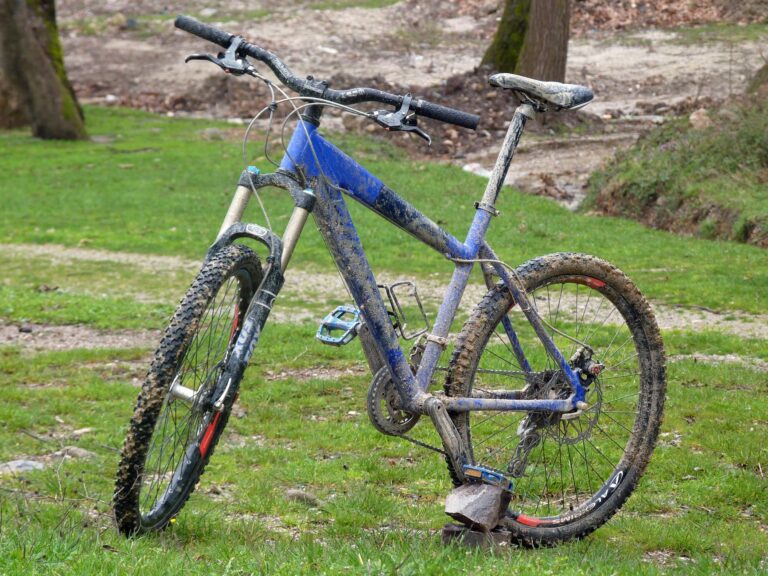
A hardtail combines front suspension with a rigid rear frame. It remains a strong alternative for smoother trails and climbing because it is typically lighter, simpler, and more efficient to pedal. Use your regular riding—not an occasional dream trip—to make the decision:.
- Choose full suspension if rough rocks, roots, technical sections, and demanding descents appear on most rides.
- Choose it when reduced vibration, traction, and control matter more than minimizing cost and upkeep.
- Choose a hardtail if you mainly ride smoother trails or place greater value on climbing efficiency.
- Choose a hardtail if lower cost, lighter weight, and fewer service requirements are priorities.
- Before buying full suspension, confirm that annual rear-shock service and eventual bearing replacement fit your maintenance budget.