Most cyclists ride with worn bar tape and grips far longer than they should. Recent surveys indicate that at least 81% of cyclists have never replaced their bar tape or grips on any kind of schedule, instead waiting until they’re visibly deteriorated or unusable. This isn’t a matter of negligence alone—it’s the result of several factors working together: riders don’t recognize the early signs of wear, they underestimate how much grip degradation affects control and safety, and replacement feels like an optional cosmetic upgrade rather than a maintenance necessity. Take a typical road cyclist who bought their bike two years ago with fresh bar tape.
They’ve logged thousands of miles, their hands have worn smooth patches into the tape, and the adhesive underneath has dried and cracked, but because the tape still technically functions and feels familiar, they keep riding. The grip quality has dropped measurably, their hands slip more in wet conditions, and they’re at higher risk of losing control on descents or during sudden maneuvers. But until the tape literally unravels or falls off, most riders don’t think it’s time to replace it. The disconnect between actual wear and perceived need explains why this behavior is so common across all cycling disciplines, from commuters to competitive racers.
Table of Contents
- Why Do Most Cyclists Neglect Bar Tape and Grip Replacement?
- The Safety and Control Implications of Worn Bar Tape and Grips
- When Bar Tape and Grips Actually Wear Out: The Invisible Timeline
- How to Build a Practical Replacement Schedule
- Common Mistakes Riders Make When Bar Tape and Grips Do Need Replacing
- The Difference Between Bar Tape and Grip Replacement Across Bike Types
- Looking Forward: Why This Habit Might Be Changing
- Conclusion
Why Do Most Cyclists Neglect Bar Tape and Grip Replacement?
The primary reason cyclists don’t follow a replacement schedule is that bar tape and grips lack an obvious failure point. Unlike brake pads, which stop working when worn, or tires, which go flat or blow out, compromised bar tape still grips—just not as well. A rider might not consciously register that their hands are slipping slightly more often or that wet-weather control has degraded until a near-miss wakes them up to the problem. cost plays a secondary but real role. A quality bar tape can run twenty to forty dollars, and replacement usually requires tools and skill that many casual cyclists don’t have.
It’s easier to postpone than to tackle. For cyclists who visit a shop for professional wrapping, labor costs add another thirty to fifty dollars, making the total investment feel disproportionate to what feels like a cosmetic part. Mountain bike grips, which can run fifteen to thirty dollars per pair, fall into a similar mental category: they’re “nice to replace” rather than “need to replace.” There’s also a knowledge gap. Casual cyclists often don’t learn what good bar tape or grips should feel like, so they have no baseline for comparison. If you’ve been riding the same deteriorated tape for eighteen months, you’ve forgotten how much better fresh tape feels. Without that reference point, riders rationalize that it’s fine and defer the expense.
The Safety and Control Implications of Worn Bar Tape and Grips
Grip quality directly affects control and safety, especially in challenging conditions. Worn bar tape loses its texture and becomes slick; aged foam grips harden and become less compliant, reducing the cushioning that absorbs road vibration and impact. On a descent, in rain, or during a sprint, the consequences can be serious. Hands slip slightly on the bars, requiring more grip force to maintain position, which accelerates fatigue and increases the risk of losing control at a critical moment. Mountain bikers face sharper consequences. Hardened grips and worn tape reduce shock absorption and traction precisely when technical terrain demands maximum control.
A moment of slippage on a rocky climb or during a high-speed descent can lead to a crash. Road cyclists sometimes dismiss this because pavement feels more forgiving than singletrack, but wet roads and gravel sections can be equally unforgiving when grip fails at the wrong instant. One limitation of this concern is that wear is gradual enough that riders adapt unconsciously. You increase grip pressure without noticing, and your muscles learn the feel of the worn surface. This adaptation masks how far control has actually degraded. Riders often don’t realize the depth of the problem until they borrow someone else’s bike with fresh tape or grips—the difference is immediate and sometimes shocking.
When Bar Tape and Grips Actually Wear Out: The Invisible Timeline
Bar tape typically lasts between six months and two years, depending on climate, riding volume, and hand sweating. Road tape in dry climates lasts longer; tape in humid regions or heavy rain deteriorates faster because moisture breaks down adhesive. The adhesive backing is the first thing to fail—once it loses stickiness, the tape unravels, usually in patches near the hoods or drops where hand pressure is constant. Grips follow a similar timeline but are more forgiving. Foam grips harden gradually, usually becoming noticeably less comfortable after eighteen to thirty months.
Rubber grips last longer but become slick and tacky as surface degradation progresses. The problem is that this timeline is invisible. There’s no standard reference for what “good” feels like, so riders don’t recognize when they’ve crossed the threshold from acceptable to risky. A concrete example: a commuter who rides the same bike daily will notice grip degradation faster than a weekend warrior because exposure is constant. That commuter might replace grips every year out of necessity. But a recreational rider who logs similar total miles over a longer period might ride the same grips for three years without thinking about replacement, because gaps between rides let them forget how tired their hands feel after a long outing.
How to Build a Practical Replacement Schedule
The most reliable approach is to tie replacement to mileage or time, not to the state of wear. For riders who log significant miles in wet or humid conditions, replacing bar tape annually and grips every 18 to 24 months is a reasonable baseline. For riders in drier climates with moderate use, extending that to 18 months for tape and 24 to 30 months for grips works. The key is setting a calendar reminder, not waiting for visible failure.
This approach trades some cost—you’ll replace tape or grips before they’re completely destroyed—for confidence and safety. The upside is that replacement becomes habitual and non-negotiable, like chain cleaning. The downside is expense: a rider who replaces bar tape annually and grips every two years is looking at fifty to eighty dollars per year in consumables. For budget-conscious cyclists, that feels high, especially if the worn tape “still works.” This is where rider discipline matters. Building replacement into an annual maintenance budget makes the cost feel more manageable than treating it as an unexpected expense.
Common Mistakes Riders Make When Bar Tape and Grips Do Need Replacing
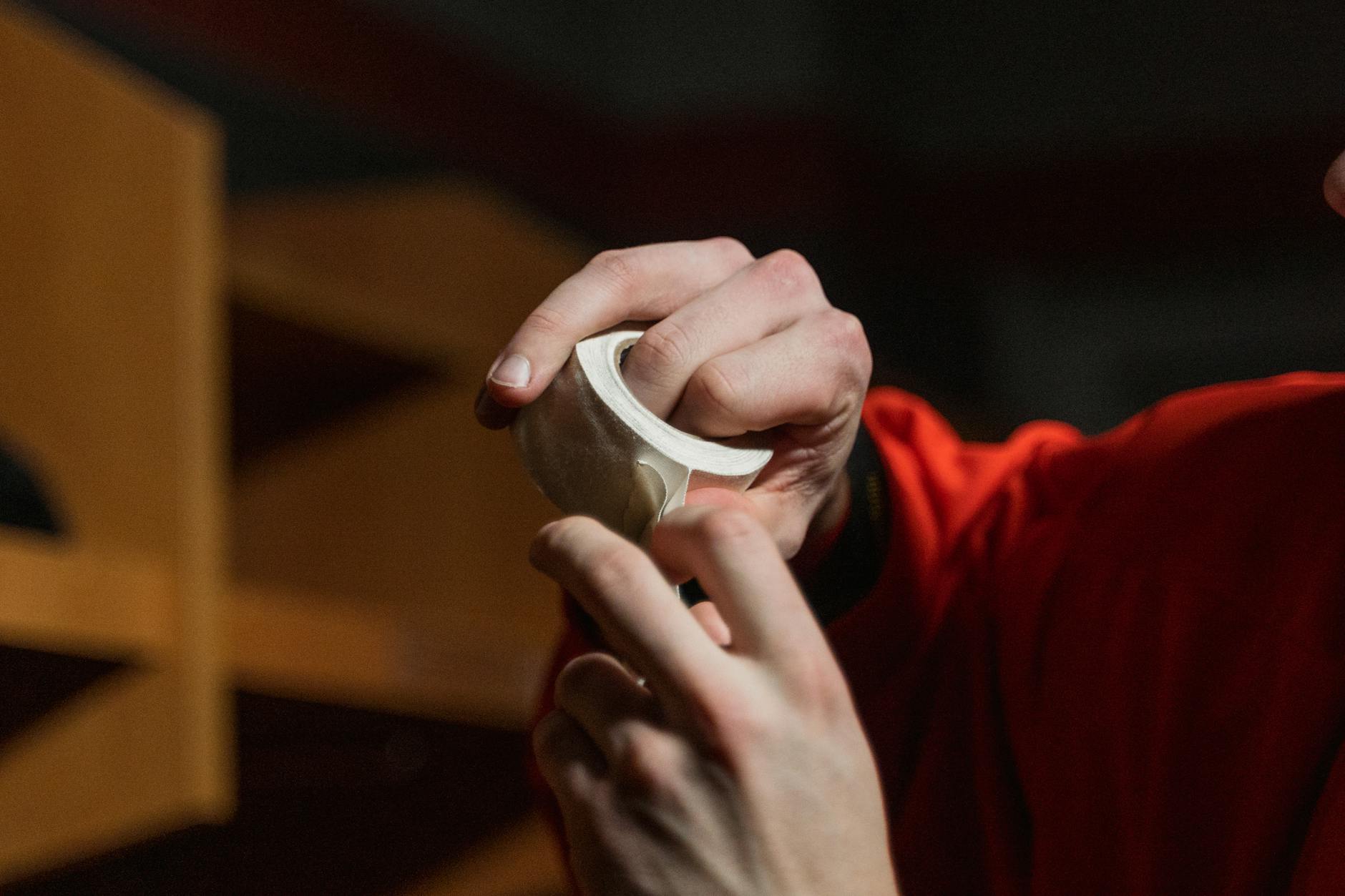
Many riders wait too long and then attempt a patch-job wrap, trying to re-tape only the worn sections instead of doing a full replacement. This never works well. Partial rewraps look uneven, the seams are visible, and the tape doesn’t adhere uniformly. The rider is then stuck with a bike that looks half-finished and still doesn’t grip properly. Full replacement is always the right call. Another common mistake is choosing the wrong replacement.
Riders sometimes grab the cheapest bar tape or grips available and discover too late that they feel terrible. Budget options often have poor adhesive, thin padding, or rubber that’s slippery even when new. The difference between a fifteen-dollar budget grip and a twenty-five-dollar quality grip is substantial—the quality grip will last longer and feel better the entire time you own it. A limitation here is that replacing bar tape requires some skill if you’re doing it yourself, and many cyclists have never learned how. Bad wrapping results in uneven tension, gaps, and poor coverage at the ends. If you’re not confident, a shop visit is worth the labor cost. Watching a how-to video is helpful, but your first attempt will likely take longer than a professional wrap and won’t look as clean.
The Difference Between Bar Tape and Grip Replacement Across Bike Types
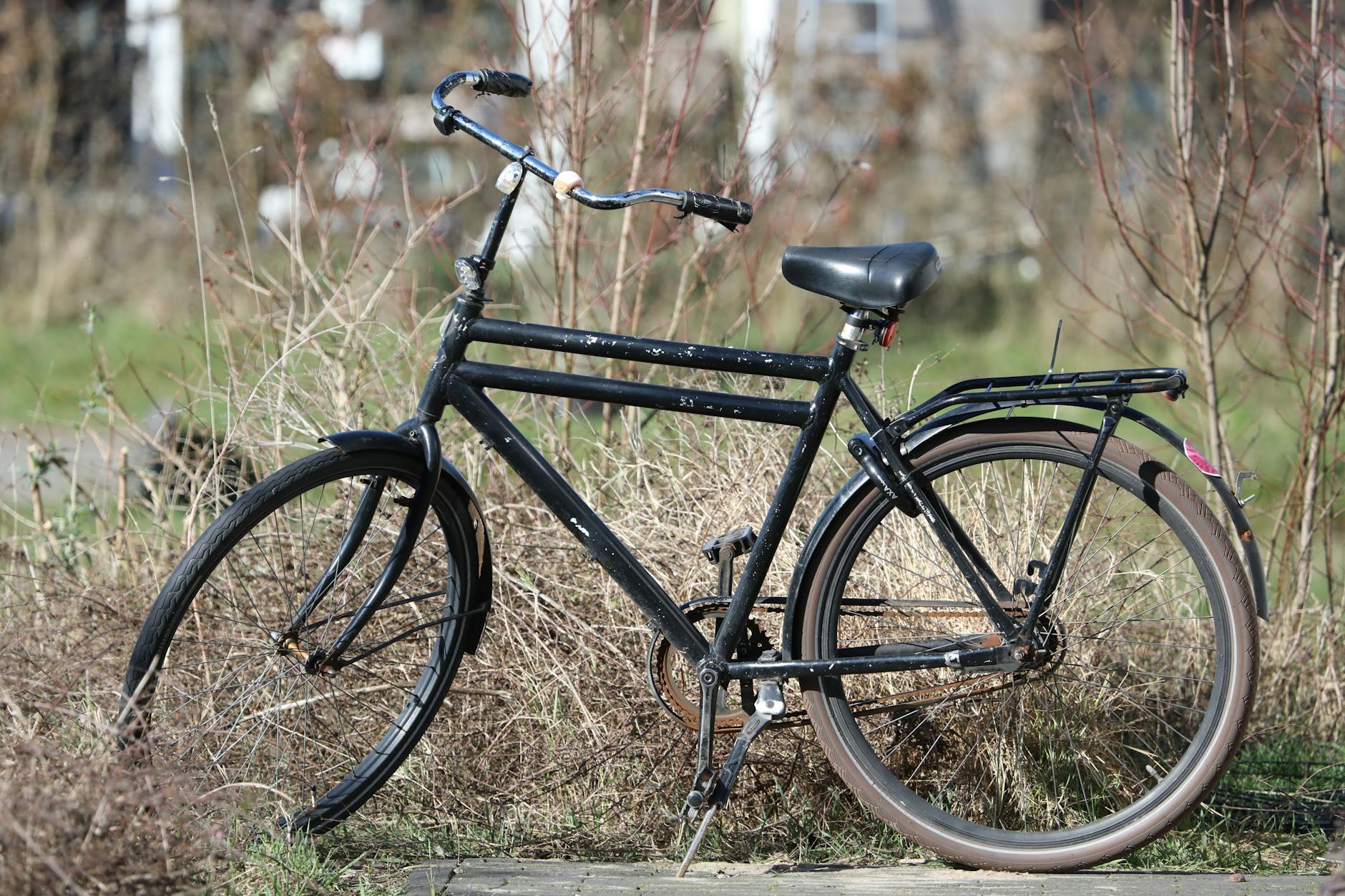
Road bikes use bar tape wrapped around drop bars, a labor-intensive process that requires specific technique and practice. Mountain and gravel bikes typically use grips slipped onto straight bars, which takes less skill but requires removing shifters and derailleurs. Casual riders sometimes don’t realize the difference in complexity; they assume grips are easier because they don’t involve wrapping, but removal and reinstallation of drivetrain components adds steps.
A commuter with drop bars on a hybrid or road bike might treat bar tape replacement as an annual task done at the beginning of each riding season. A mountain biker might replace grips twice in the same period because of heavier wear and sweat exposure. Track cyclists and BMX riders replace grips even more frequently. Understanding what replacement looks like for your specific bike type helps set realistic expectations.
Looking Forward: Why This Habit Might Be Changing
Some newer grips and tape options are designed for longer life. Polymer-coated grips claim 40% longer durability, and some tape manufacturers now produce longer-lasting adhesive formulations. These improvements won’t eliminate the need for replacement, but they’re extending the timeline, which might explain why some of the younger 20-30% of cyclists who do follow a schedule might space replacements further apart.
As cycling becomes more mainstream and online communities share maintenance knowledge, awareness is gradually improving. Riders who watch YouTube maintenance channels or participate in cycling forums learn replacement schedules sooner than they would have a decade ago. The next generation of cyclists will likely have better habits around bar tape and grip maintenance simply because the information is more accessible.
Conclusion
The reality behind the 81% statistic is that most cyclists treat bar tape and grip replacement as optional maintenance rather than scheduled upkeep. This behavior persists because wear is gradual and invisible, the failure point is soft rather than dramatic, and the cost seems high relative to how the parts feel during normal riding. Understanding that compromised grip quality directly affects control and safety—especially in wet conditions or technical terrain—helps justify the expense and effort of replacement.
The practical solution is discipline: pick a replacement schedule based on your riding volume and climate, add it to your maintenance calendar, and commit to it the same way you would to chain cleaning or tire pressure checks. The cost is real, but the safety return and improved ride quality justify it. Your hands, your control, and your safety depend on it.


