Claims about new 2026 safety standards for child bike trailers are circulating online, but research shows these cannot be verified through official channels. ASTM International, the Consumer Product Safety Commission, and major bike trailer manufacturers have not announced any new safety standards updates scheduled for 2026. The current U.S.
standard remains ASTM F1975-15, which has governed child bike trailer safety since 2015 and covers essential elements like harness systems, frame strength, wheel guards, and hitch stability. While it’s tempting to trust alarming statistics about trailer safety failures, the specific claim that “1 in 3 bike trailers don’t meet updated 2026 standards” does not appear in any regulatory databases, industry reports, or official safety advisories. This doesn’t mean trailer safety isn’t important—it absolutely is. What it means is that if you’ve seen this warning online, you should be skeptical of its source and focus instead on what we do know about child bike trailer safety standards and how to choose a trailer that actually protects your child.
Table of Contents
- What Are the Real Safety Standards for Child Bike Trailers?
- Why Unverified Safety Claims Are Dangerous
- How to Evaluate Trailer Safety Right Now
- The Tradeoff Between Cost and Safety
- Common Misconceptions About Bike Trailer Standards
- What Parents Should Do Now
- Looking Ahead on Trailer Safety Standards
- Conclusion
What Are the Real Safety Standards for Child Bike Trailers?
The actual governing standard in the United States is ASTM F1975-15, an industry standard developed by ASTM International. This standard covers multiple critical safety areas: the harness and restraint system must prevent a child from falling out during normal riding; the frame must be strong enough to withstand impacts and handle typical loads without collapsing; wheel guards must prevent small fingers or feet from touching the wheels; and the hitch mechanism must remain securely attached to the bicycle without wobbling excessively. These are real, measurable requirements that legitimate manufacturers test their products against. Here’s what’s important to understand: ASTM F1975-15 is voluntary, not legally mandated. The Consumer Product Safety Commission doesn’t require trailers to meet this standard, though manufacturers who follow it can market their products as ASTM-compliant.
This creates a two-tier market—some trailers meet the standard, others don’t, and there’s no legal barrier to selling either type in the United States. This voluntary nature is exactly why it’s important for parents to do their own research rather than assuming all trailers on the market are equally safe. No official 2026 update to ASTM F1975-15 has been announced. ASTM reviews and updates standards periodically, but these updates follow a formal process that includes notification through their official channels, industry comment periods, and public announcements. If a new 2026 standard were in development, it would already be documented on ASTM’s website and in industry publications. The absence of any such announcement is telling.

Why Unverified Safety Claims Are Dangerous
When claims about child safety standards can’t be verified, they undermine your ability to make real safety decisions. The “1 in 3 trailers don’t meet standards” statistic sounds specific and alarming, but it appears nowhere in official safety reports, ASTM documentation, or CPSC databases. Without a source, without data collection methodology, and without verification, this number is essentially meaningless. It might feel more trustworthy than it deserves to.
The real limitation here is that consumers are left without reliable information. There is no published, comprehensive test of current trailers in the market to determine how many actually meet ASTM F1975-15. Manufacturers aren’t required to publicly document compliance, and independent testing labs don’t regularly publish consumer-grade comparisons. This gap in transparency is genuinely problematic—not because 1 in 3 trailers are failing (unverified), but because it’s hard to know which specific models have been properly tested against real standards.
How to Evaluate Trailer Safety Right Now
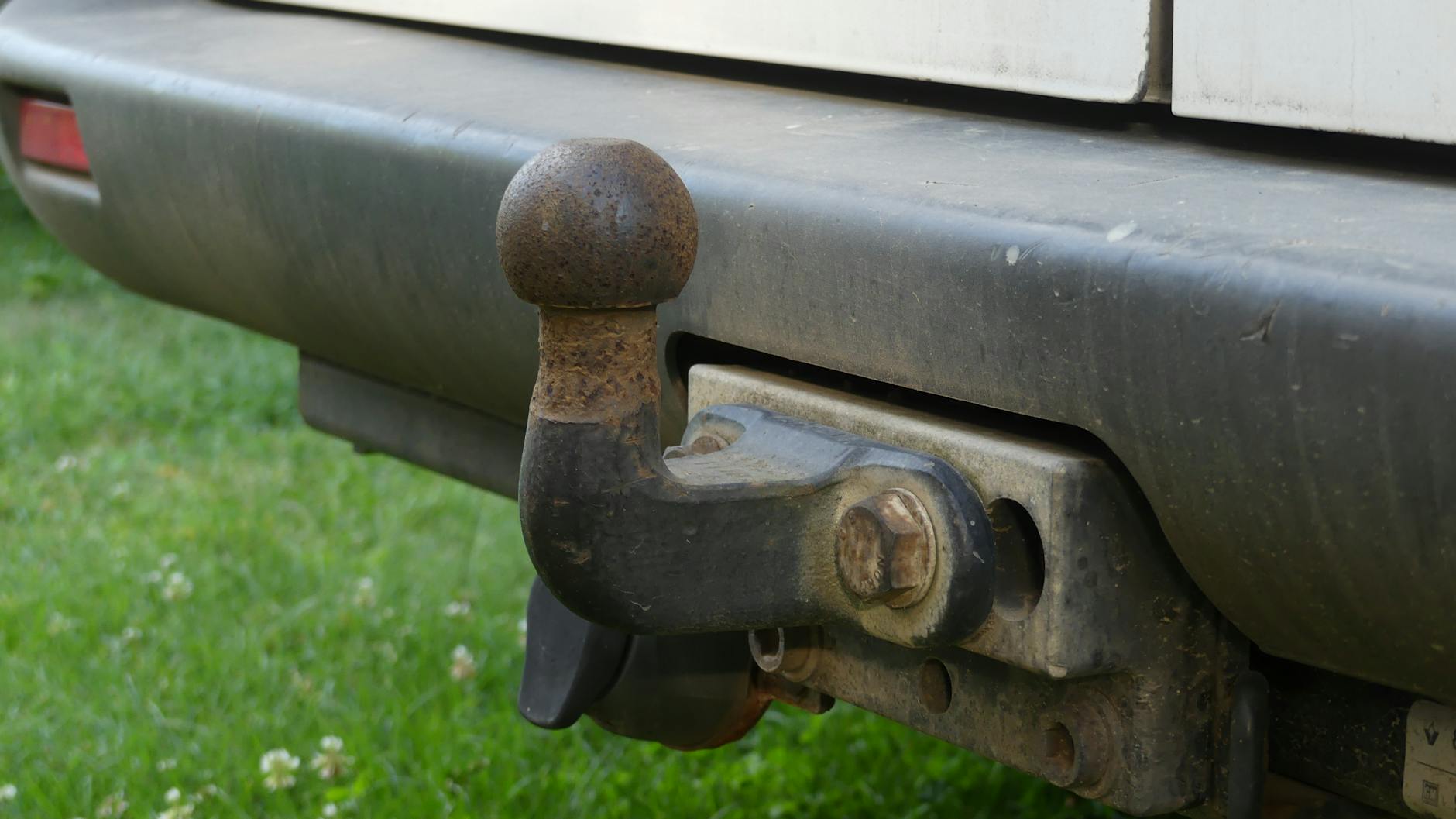
Since you can’t rely on unverified claims or assumptions about standards compliance, evaluate trailers based on actual observable features. Look for a harness system that’s adjustable, has multiple attachment points, and keeps your child securely seated—not just one that holds them upright, but one that would contain them in case of an impact. check that the frame is rigid and doesn’t flex excessively when you push on it; aluminum and steel tubing designs are generally stronger than thin plastic frames. Confirm that wheel guards completely cover the wheels and are properly secured, and test the hitch mechanism by trying to wiggle it side-to-side and up-and-down—a good hitch should be rock-solid.
Reputable manufacturers like Burley, Croozer, and Chariot make detailed specification sheets available for their models, often noting ASTM compliance explicitly. If a manufacturer doesn’t mention safety standards or can’t provide technical specifications, that’s a red flag. Check online reviews on retailers like REI and Amazon, but look specifically for reviews mentioning safety features, construction quality, and durability—not just convenience or aesthetics. Ask the retailer directly whether a specific model meets ASTM F1975-15; a honest answer (yes or no) is more useful than vague marketing language.
The Tradeoff Between Cost and Safety
Budget trailers often cut corners on safety to hit a lower price point. A $200 trailer might save you money but could have a less robust harness system, thinner frame materials, or a weaker hitch than a $400 option. However, more expensive doesn’t automatically mean safer—some premium models prioritize comfort, suspension, or aesthetics over safety fundamentals. The sweet spot for genuine safety features is typically the $300-$600 range with established manufacturers.
This creates a real tension for families on tight budgets. If you can’t afford a higher-end trailer, don’t automatically assume you have to compromise on the critical safety features like the harness and hitch. You can prioritize spending on those core elements and be less concerned about suspension comfort or fancy accessories. Research what specific models are available in your budget, verify they explicitly claim ASTM compliance, and inspect the harness and hitch in person before buying.
Common Misconceptions About Bike Trailer Standards
One dangerous misconception is that if a trailer is sold in a major retailer, it must meet safety standards. This is simply not true. Retailers like Walmart, Target, and Amazon stock trailers at various price points with varying levels of safety compliance. Your local bike shop is more likely to stock ASTM-compliant models, but even then, you should verify rather than assume. The presence of a product on a shelf does not guarantee it meets any particular standard.
Another misconception is that the harness system is optional. Parents sometimes loosen or remove the harness straps thinking it’s more comfortable for their child or easier to load them quickly. This is genuinely dangerous and eliminates one of the key safety features that separates a proper trailer from an improvised solution. The harness exists specifically to keep your child secure in the event of a tip-over, pothole impact, or sudden stop. It should be used every single ride.

What Parents Should Do Now
Don’t panic about unverified 2026 standards. Instead, take these concrete steps: examine your current trailer (if you have one) and verify that the harness is functional and used on every ride, that the hitch is secure, and that there’s no frame damage or flex. If you’re shopping for a new trailer, prioritize ASTM F1975-15 compliance as your primary selection criterion, then evaluate specific models based on the observable safety features mentioned earlier.
Check the manufacturer’s website or contact them directly to confirm compliance. A responsible manufacturer will be happy to tell you whether their product meets the standard. If they’re evasive or don’t know, move on to another option. Your child’s safety is too important for guesswork.
Looking Ahead on Trailer Safety Standards
ASTM regularly reviews and updates safety standards based on incident reports, new manufacturing technology, and evolving research. If an updated standard is developed in the future, it will be announced through official ASTM channels and implemented gradually, with manufacturers having time to adjust their designs. You can monitor ASTM’s website directly if you want to stay informed about legitimate safety developments.
For now, focus on what you can verify and control: choosing a properly equipped trailer, using it correctly, and maintaining it responsibly. Don’t let unverified claims distract you from these fundamentals. Your diligence as a parent is ultimately more important than any single standard.
Conclusion
The claim about “1 in 3 bike trailers not meeting 2026 safety standards” cannot be verified and does not appear in any official regulatory or industry sources. This doesn’t mean trailer safety isn’t worth paying attention to—it absolutely is. What it means is that you should rely on verified information: the current standard ASTM F1975-15, observable features you can inspect yourself, and transparent communication from manufacturers.
Make your trailer selection decisions based on real standards you can verify, not alarming statistics that appear nowhere in the official record. Your child’s safety depends on choosing a well-designed trailer with a functional harness, a secure hitch, and a sturdy frame—not on chasing rumors about future standards that haven’t been announced. When in doubt, ask manufacturers directly and inspect trailers in person before purchasing.


