The honest answer is yes—and it might be worse than 20%. Most cyclists treat hydration as an afterthought, something to do if they remember to grab a bottle before a ride. But the science is unambiguous: losing just 2% of your body weight to dehydration cuts your endurance by 10-20% and your power output by up to 11%. For a 160-pound rider, that’s a 3.2-pound fluid loss with measurable consequences on every climb and sprint. If you’ve ever hit a wall on a ride you should have crushed, dehydration was likely the culprit—not lack of fitness.
The performance cost compounds because dehydration affects multiple systems simultaneously. Your heart works harder (5-10 bpm higher at the same power), your muscles fatigue faster, and your body’s cooling system becomes less efficient. Push beyond 4% dehydration and your cycling efficiency drops by approximately 30%—that’s the difference between finishing strong and limping home. What makes this worse is that most riders don’t feel the damage happening. You can be significantly dehydrated and not realize it because wind evaporation masks the fluid loss, and by the time thirst signals arrive, you’re already 1-2% down. This article breaks down what actually happens when you ride dehydrated, why your current hydration strategy might be wrong, and how to fix it before your next ride.
Table of Contents
- How Much Performance Do You Actually Lose to Dehydration?
- Why Sweat Rate Varies So Much Between Riders
- The Hydration Numbers Most Cyclists Get Wrong
- Why Your Thirst Doesn’t Arrive Until It’s Too Late
- The Dehydration Myths That Still Cost Riders Speed
- How to Measure Your Own Sweat Rate
- Building a Hydration Strategy You’ll Actually Stick With
- Conclusion
How Much Performance Do You Actually Lose to Dehydration?
The numbers are specific and repeatable across research. A 2% body weight loss to dehydration—which for most cyclists happens within the first 60-90 minutes of riding—reduces endurance performance by 10-20%. That’s not marginal. That’s the difference between a personal record and a survival pace. In parallel, the same 2% fluid loss decreases your power output by up to 11%, meaning you can’t hit the same wattage you could hit hydrated, even for short efforts. This gets worse with deeper dehydration. At 4% body weight loss, your cycling efficiency drops approximately 30%.
At this point, you’re not just slower—you’re working considerably harder to maintain the same speed. A rider who was sustaining 200 watts hydrated might only hold 140 watts dehydrated, or they’d have to push 240 watts to maintain 200. The physiological cost is brutal. Beyond the power and endurance hits, dehydration increases your heart rate by 5-10 beats per minute at the same power output, meaning your cardiovascular system is straining harder just to maintain your current pace. Consider a real scenario: a 160-pound cyclist riding for three hours in warm conditions. A 2% fluid loss is just 3.2 pounds—easy to dismiss as normal. But that small loss drops their sustainable power by 11% and makes the final 45 minutes feel exponentially harder. They’re not bonking from fuel; they’re compromised by a fluid deficit they didn’t even notice building.

Why Sweat Rate Varies So Much Between Riders
This is where individual variation becomes critical. Sweat rates among cyclists vary by a factor of 5 to 7—meaning a rider producing 200 milliliters per hour on a cool day might produce 1.5 liters per hour during a hot summer stage race. Two riders doing the same route in the same conditions will have completely different fluid needs, yet many cyclists apply one-size-fits-all hydration rules. The larger problem is wind masking. On a fast descent or in a strong crosswind, evaporative cooling is so efficient that you can lose over 1 liter of fluid per hour without feeling excessively sweaty.
Your jersey stays relatively dry, you don’t feel drenched, and you’re convinced you’re handling the conditions fine. Meanwhile, you’re rapidly accumulating a significant fluid deficit. A rider thinking they’re adequately hydrated can actually be 3-4% dehydrated on a windy day simply because the conditions don’t feel hot enough to trigger awareness. The warning here is straightforward: never trust feel alone. A cool, breezy day with what feels like manageable exertion can actually be one of the most dehydrating scenarios because you’re not getting the sensory feedback that matches the fluid loss happening. This is why calculated hydration—based on your sweat rate and the conditions, not on how you feel—matters so much.
The Hydration Numbers Most Cyclists Get Wrong
The research points to a specific window: most cyclists should aim for 400-800 milliliters per hour of fluid intake during riding. This range exists because individual factors (body size, fitness, intensity, temperature, humidity) create huge variation. A 130-pound cyclist in cool conditions might need 400ml per hour, while a 200-pound rider in summer heat might need closer to 800ml or even slightly more. Here’s where most riders go wrong: they think they should replace 100% of sweat losses. The reality is that your body cannot absorb fluids as fast as they’re lost during hard exercise. The practical target is to replace approximately 75% of your sweat losses.
If you’re losing 1000ml per hour, trying to drink 1000ml per hour creates an internal fluid imbalance that can lead to discomfort and performance problems. Drinking 750ml achieves a better outcome than trying to match loss milliliter for milliliter. The critical threshold is keeping your body mass deficit below 2% during exercise, especially in warm environments. Once you drop below that, the performance losses start becoming significant and measurable. For most rides, this means starting hydrated, drinking consistently rather than waiting until you’re thirsty, and not pushing beyond 2-3 hours without accounting for your sweat rate and drinking behavior. The 75% replacement rule combined with the <2% deficit limit gives you a practical framework that works across different conditions.
Why Your Thirst Doesn’t Arrive Until It’s Too Late
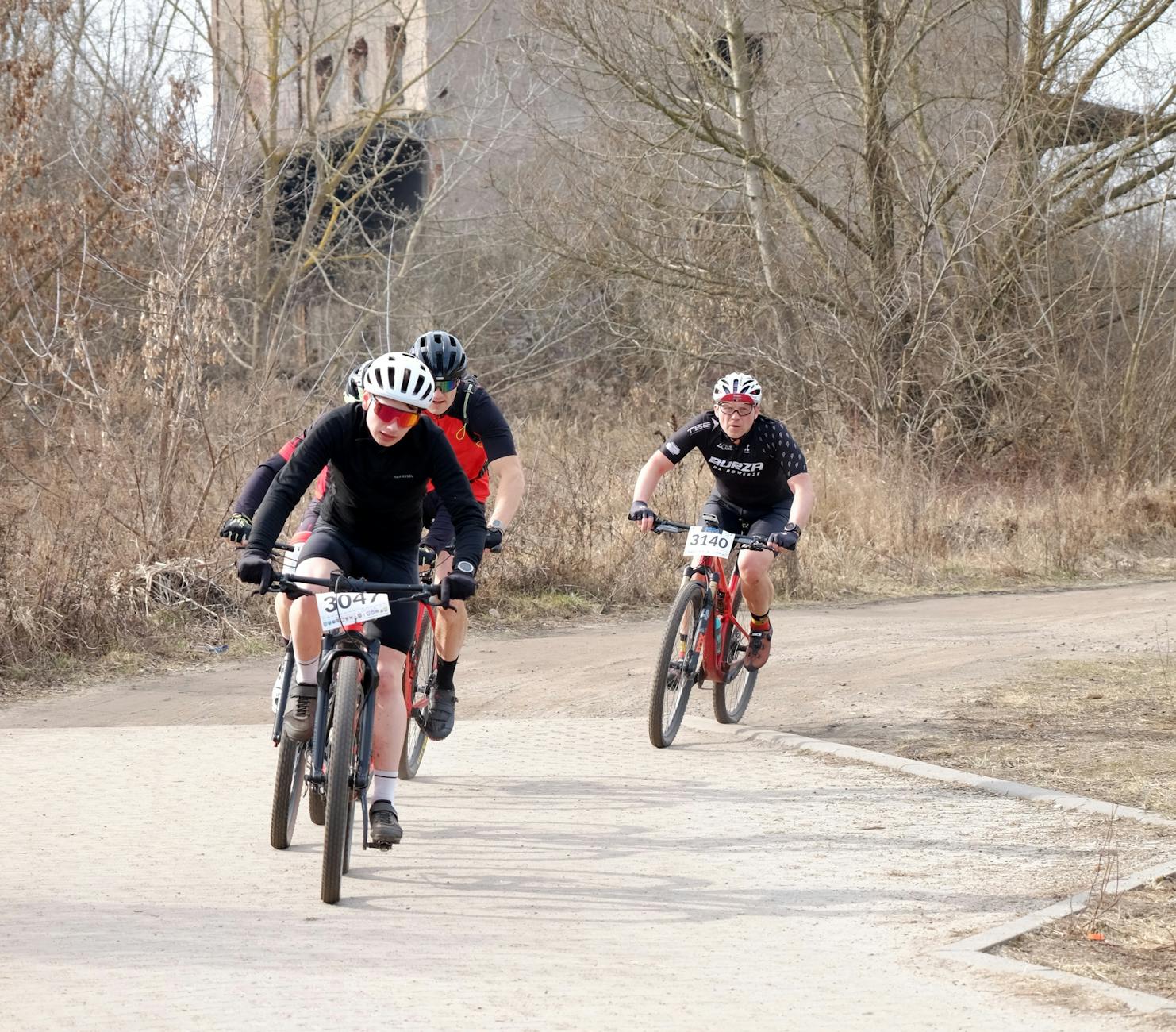
Thirst is an unreliable indicator of hydration status because it’s a delayed response. By the time you feel genuinely thirsty during a ride, you’re already 1-2% dehydrated. You’ve already crossed into the range where endurance and power are being compromised. This is particularly problematic early in rides when you might feel fine but are already in the deficit zone. The mechanism is partly evolutionary: thirst was designed to keep you healthy during normal daily life, not to optimize athletic performance during intense exercise. Your perception of thirst also shifts when you’re focused on riding, managing traffic, or pushing through a difficult section.
Many cyclists report riding past obvious thirst signals because they were concentrating on the road or the group. By the time they notice, they’re significantly behind on hydration. The practical implication is that you cannot ride by thirst alone. You need a hydration schedule—drink at specific intervals regardless of whether you feel thirsty. A common approach is to drink 150-250ml every 15-20 minutes during intense efforts, or slightly less frequently on easier rides. This proactive approach prevents you from ever reaching the point where thirst arrives, keeping you on the right side of that 2% threshold.
The Dehydration Myths That Still Cost Riders Speed
One surprisingly persistent myth is that dehydration causes muscle cramps. The logic seems obvious—you’re losing fluid, muscles cramp, therefore fluid loss causes cramping. But research consistently shows this isn’t the causation. Lab studies examining cramping and dehydration show no direct link. Cramps during cycling have multiple causes: muscle fatigue, electrolyte imbalances, fitness level, and pacing—but dehydration alone isn’t the culprit. If you’re cramping, look to other factors first. What does matter after about 60 minutes of riding is electrolyte intake, particularly sodium.
Electrolytes enable your body to absorb and retain the fluid you drink. Water alone becomes less effective as your ride extends. After 60-90 minutes, the addition of sodium to your hydration strategy becomes critical for both performance and safety. Sodium enables fluid absorption in the intestines and helps your kidneys retain the fluid you drink rather than excreting it. Sports drinks with 500-700mg of sodium per liter are standard for a reason—that sodium load works. The warning is that ignoring electrolytes on longer rides or in hot conditions creates a specific problem: you can drink adequate fluid volume and still become hyponatremic (sodium concentration in your blood becomes too dilute). This is dangerous and can actually impair performance more than simple dehydration. The solution is simple—use electrolyte drinks or supplements after the first hour, not plain water.
How to Measure Your Own Sweat Rate
Determining your personal sweat rate removes guesswork from hydration planning. The method is straightforward: weigh yourself before a 60-minute ride in representative conditions (similar temperature, intensity, and terrain to rides you typically do). Weigh yourself immediately after, having consumed no fluids or food during the ride. The weight loss equals your sweat loss for that hour (accounting for any fluid consumed and urine, but those are usually minimal on a short ride).
For example, if you weigh 160 pounds before and 157.5 pounds after, you’ve lost 2.5 pounds of sweat, or roughly 1130 milliliters per hour. This becomes your baseline sweat rate for those conditions. Do this test multiple times—in different temperatures, at different intensities, and in different seasons—to build a complete picture of your hydration needs. A rider might sweat at 800ml per hour in cool spring rides but 1400ml per hour on hot summer days. Knowing these numbers lets you dial in your hydration rather than guessing.
Building a Hydration Strategy You’ll Actually Stick With
The best hydration plan is one you’ve tested extensively before you need to rely on it. This means practicing your fluid intake during training rides, not discovering on race day that you hate the taste of your chosen drink or that your stomach doesn’t handle the volume you planned. Test different bottles, different drinks, different intake intervals until you find a routine you can execute without thinking. The strategy should include contingency planning for longer rides or unexpected conditions.
Bring more fluid than you think you’ll need on rides where you can’t refill. Know where water stops are on regular routes. Have backup hydration in your kit—a small bottle or hydration pack—so you’re never caught unable to drink. The 400-800ml per hour window is your guide, adjusted for your personal sweat rate and the conditions, but the real foundation is consistent practice and flexibility when conditions change unexpectedly.
Conclusion
The 20% performance loss from poor hydration isn’t speculation—it’s measurable, repeatable, and preventable. Your body’s response to even modest fluid loss is immediate and significant. A 2% deficit (just 3 pounds for a 160-pound rider) compromises your power, your endurance, and your cardiovascular efficiency. The gap between riding well-hydrated and riding dehydrated is often the difference between a strong ride and one where you struggle. Start with your sweat rate. Measure it in the conditions you actually ride in.
Build a hydration plan based on that number rather than generic recommendations. Drink on a schedule, not by thirst. Include electrolytes after the first hour. Test your plan before you need it to work. These fundamentals address what most cyclists don’t know about hydration—not because the information is hidden, but because it requires intentional planning and self-testing. The performance gain is substantial. Twenty percent might be conservative.


