Most riders will spend between $85 and $200 to replace a chain and cassette together, with the chain alone running $25 to $90 and the cassette adding another $70 to $170 when labor is included. That $150 average cost might feel like sticker shock, but the real problem isn’t the price—it’s that most cyclists wait far too long to replace these components, turning what could be a routine maintenance expense into a much more costly repair. A rider who ignores chain stretch until it reaches 1.0% instead of replacing at 0.5% doesn’t just face the scheduled replacement bill; they also risk destroying an otherwise healthy cassette, effectively doubling their costs or worse. Consider this common scenario: A commuter logs 2,500 miles a year and skips chain maintenance for 18 months. Instead of replacing a $30 chain at the 3,000-mile mark, they wait until the chain has stretched excessively and worn through multiple cassette teeth.
The replacement job that would have cost $90 installed now requires a new chain and cassette, pushing the bill to $150 or beyond. If their cassette happens to be a higher-end model, the cost climbs to $170 or even $300 depending on their bike’s groupset. This delay doesn’t save money—it multiplies expenses while also risking damage to chainrings. The core issue is simple: many riders don’t understand what chain stretch actually means, when it becomes critical, or how to check for it themselves. This knowledge gap leads to preventable costs and, in some cases, complete drivetrain failure mid-ride.
Table of Contents
- What Do Chain and Cassette Replacements Actually Cost?
- Understanding Chain Wear and Replacement Thresholds
- Why Riders Ignore the Warning Signs
- How to Catch Chain Wear Before Damage Spreads
- Cross-Chaining and Uneven Wear Patterns
- The Cascading Cost of Ignored Cassettes
- Building a Maintenance Schedule That Keeps Costs Down
- Conclusion
What Do Chain and Cassette Replacements Actually Cost?
The cost of replacing your drivetrain components breaks down into two separate purchases: the parts themselves and the labor to install them. A replacement chain ranges from about $10 for budget entry-level chains to $90 for high-performance road or mountain bike chains, with most mid-range options sitting in the $25 to $60 bracket. When you add labor at a typical bike shop—usually $20 to $30 for chain installation—you’re looking at a total chain replacement cost between $25 and $90. The cassette carries a larger price tag. The cassette (the cluster of sprockets on your rear wheel) typically costs $20 to $150 for the part alone, depending on your drivetrain’s speed and quality level.
Once you factor in installation labor and any necessary wheel service, the total installed cost ranges from $70 to $170. High-end cassettes on premium gravel or road bikes can exceed $300, making this the more expensive component of your drivetrain. When you replace both the chain and cassette together—which experts recommend doing every other chain replacement to maintain smooth shifting—you’re committing $85 to $200 for the complete job. The reason shops recommend replacing them together is mechanical: a new chain works against a worn cassette with friction and noise, while a new cassette meshes poorly with a stretched chain. Ignoring this advice might save $40 in the short term but usually results in poor shifting, premature wear on the new part you did replace, and ultimately another shop visit within a few months.
Understanding Chain Wear and Replacement Thresholds
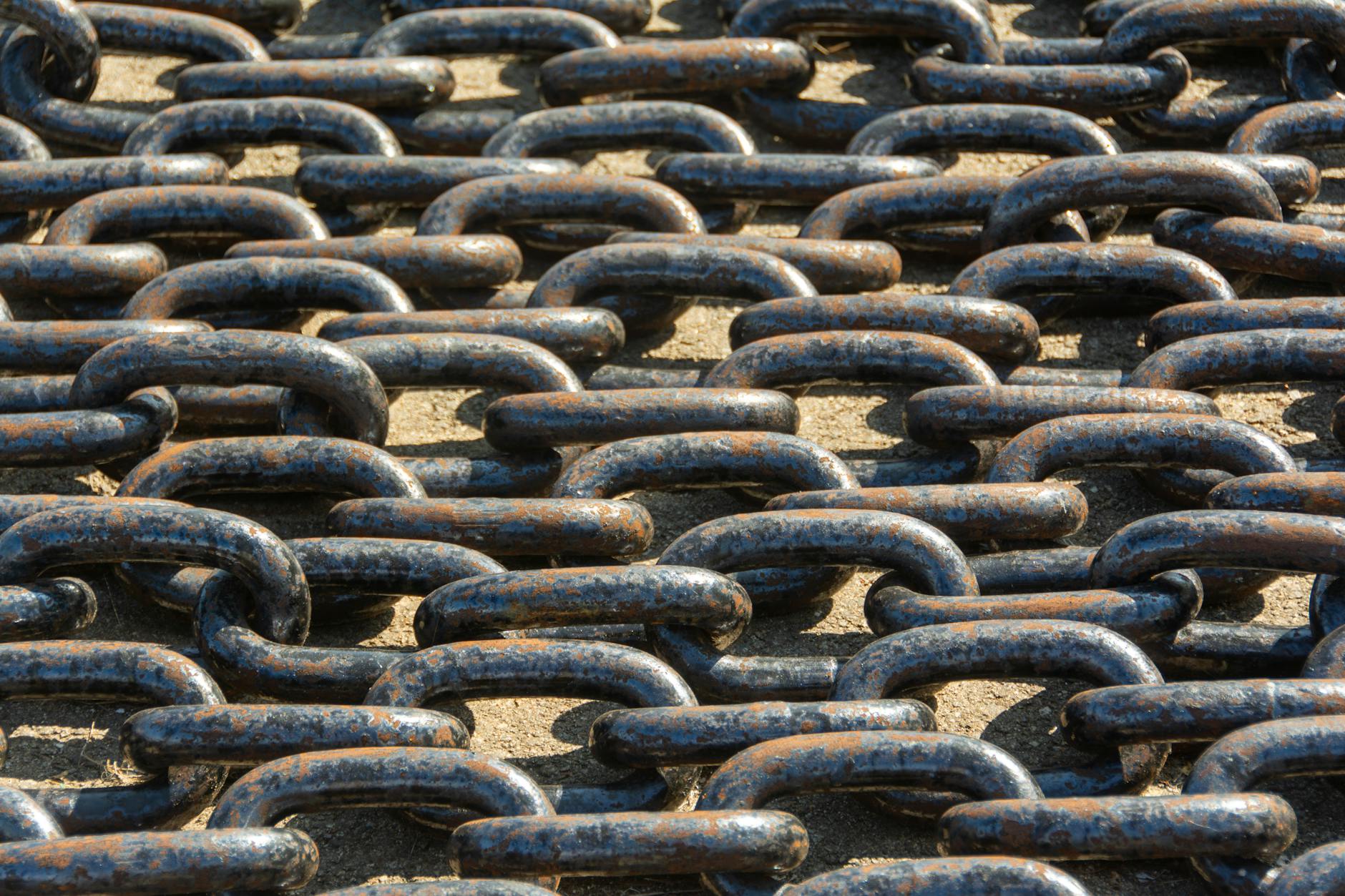
Your chain doesn’t fail suddenly; it stretches gradually under the constant force of pedaling. Factory-new chains measure exactly 1 inch per link on average, but as the metal fatigues and the rivets wear, that spacing increases. This is called chain stretch, and it’s measured in percentages: 0.5% stretch means the chain has grown half a percent longer, 0.75% means three-quarters percent, and so on. Most chains last between 1,500 and 3,000 miles depending on your riding conditions, maintenance habits, and drivetrain quality. The critical threshold for replacement depends on your bike’s drivetrain speed. On 11-speed and 13-speed chains (common on modern road and gravel bikes), you should replace the chain at 0.5% stretch—before significant wear appears on your cassette. On older 9-speed or 10-speed systems, you can stretch the interval to 0.75% or even 1.0% before replacement becomes urgent.
This matters because every percentage point of additional stretch multiplies the wear on your cassette teeth. Replace at 0.5% and your cassette might last through 5 or 6 chain replacements. Wait until 1.0% stretch and you’ll likely damage the cassette significantly, forcing a replacement you didn’t budget for. In wet or muddy riding conditions, this timeline shrinks considerably. If you ride in rain regularly or on unpaved roads, plan to replace your chain every 3,000 kilometers (about 1,860 miles) at minimum. Dry conditions allow for the full 6,000-kilometer interval. The cost difference is negligible, but the damage difference is enormous: delayed replacement in wet conditions can damage your chainrings and cassette beyond simple wear.
Why Riders Ignore the Warning Signs
The reason $150 feels like an unexpected expense is that many cyclists simply don’t know their chain is wearing until a mechanic points it out. Unlike brake pads or tires, chain wear isn’t immediately visible to casual observation. You might hear some noise—a subtle clicking or sluggish shifting—and blame it on dirty drivetrain, then clean and lube the chain without addressing the underlying problem. By the time symptoms become obvious, the damage is often done. A chain at 0.8% or 0.9% stretch will feel and sound almost normal in casual riding, especially if the drivetrain is well-lubricated.
You only notice the problem when you shift hard under load, or when you look down and see the shifted chain struggling to seat properly on the cassette sprockets. At that point, you’re past the point of optimal replacement timing and into the zone where cassette damage is accelerating. This is why professional mechanics recommend chain checks at 1,000-mile intervals if you’re tracking mileage carefully, or monthly if you’re not. A proper check requires a chain-wear gauge (a tool that costs $10 to $20) or a visit to your bike shop. Most casual riders do neither, treating the chain as something that lasts forever until it suddenly doesn’t. The delayed maintenance approach might feel cheaper monthly, but it inverts costs across a season or year.

How to Catch Chain Wear Before Damage Spreads
The simplest approach to avoiding surprise $150 repairs is preventive maintenance: keep your chain clean and well-lubricated, and check for wear on a schedule. Depending on how frequently you ride, aim to clean and lubricate your chain weekly if you ride daily, or monthly if you ride a few times per week. This doesn’t mean disassembling anything—a rag and some chain lube takes five minutes and extends the life of your entire drivetrain. If you want precision, invest in a chain-wear gauge, which costs $10 to $25 and provides immediate feedback on whether your chain is approaching replacement territory. Place the gauge on a link, and if it falls through at the 0.5% mark, your chain needs replacing. If it holds, you’re still safe. Most bike shops offer this check for free or a small fee if you ask.
The comparison is stark: spend $20 on a preventive check and catch wear at 0.4%, or wait until a shop repair reveals that your wear is at 0.9% and now you need a new cassette on top of the new chain. The gauge pays for itself on the first avoided cassette replacement. Another practical step is tracking your mileage. If your bike has a cyclocomputer or fitness tracker, note when you hit major mileage milestones. For most bikes ridden in normal conditions, a chain replacement at 2,500 to 3,000 miles is a safe bet. If you ride exclusively in dry conditions and maintain your chain carefully, you might stretch to 4,000 miles. Wet and muddy conditions demand more frequent checks—perhaps every 1,500 to 2,000 miles.
Cross-Chaining and Uneven Wear Patterns
One often-overlooked factor in premature chain wear is cross-chaining—using the biggest front chainring with the biggest rear sprocket, or the smallest front ring with the smallest rear sprocket. This creates extreme angles in the chain and accelerates wear on both the chain and cassette. If you cross-chain regularly, you might see significant wear develop in just 1,500 miles instead of the expected 3,000. The mechanical reason is straightforward: when your chain sits at an extreme angle, the rivet bearings experience uneven loading, and the link plates flex in ways they’re not designed for. Over time, this accelerates the stretch that eventually forces replacement.
You won’t necessarily notice this happening until you’re well past the point of ideal replacement timing. A rider who regularly cross-chains and doesn’t check their chain might hit 0.8% or 0.9% stretch thinking they’re still fine, only to discover the damage is severe. The solution requires conscious shifting decisions. Most chainring-sprocket combinations feel fine enough when you cross-chain, which is why riders do it unconsciously during climbing or sprinting. But taking five seconds to shift up front when you shift up rear—or down front when you shift down rear—can extend your chain life by 500 to 1,000 miles per replacement cycle. That’s one fewer expensive trip to the shop per year.
The Cascading Cost of Ignored Cassettes
If chain replacement is expensive, cassette damage is worse. A worn cassette develops hooked or sharp teeth that no longer mesh smoothly with your chain links. This creates noise, sluggish shifting, and increased friction. Replacing a cassette $70 to $170 installed is bad enough, but the real cost comes when cassette wear has already damaged your chainrings. Consider a real example: A mountain biker logs 50 miles per week for two years on the same chain without checking wear.
At some point around the 5,000-mile mark, the chain has stretched excessively. Instead of replacing it, they continue riding, now grinding that worn chain against their cassette. By 5,500 miles, the cassette is visibly damaged, with several teeth showing significant hopping. By 6,000 miles, the damage has spread to the front chainrings. What started as a $90 chain replacement situation at the 3,000-mile mark has become a $300-plus job that includes a new chain, cassette, and potentially even new front chainrings. This is why the $150 average cost for a chain-and-cassette job is actually the deal—it’s the intervention that prevents costs from escalating to $300 or $400 for a complete drivetrain replacement.
Building a Maintenance Schedule That Keeps Costs Down
The best way to keep your replacement costs at or near that $150 average is to build a simple maintenance routine that you actually stick to. For most riders, a monthly chain inspection paired with weekly cleaning and lubrication is enough to catch wear early. Mark your calendar or set a phone reminder; the five minutes you spend checking your drivetrain monthly saves you hundreds in unexpected repairs.
If you ride in harsh conditions—wet climates, muddy trails, sandy coastal areas—shift to a more aggressive maintenance schedule: clean and lube your chain after every ride, and inspect for wear every two weeks. This might feel excessive, but it’s the reality of riding a bike in environments that accelerate chain wear. Your drivetrain will thank you with longer intervals between replacements and fewer surprise bills. The alternative is repeatedly facing that $150 or $200 hit because you thought the chain could go longer than it actually could.
Conclusion
The $150 average cost of replacing a chain and cassette isn’t unreasonable for professional installation and decent-quality parts. What’s unreasonable is delaying replacement until that cost doubles due to secondary damage, or continuing to ride on a worn chain because you didn’t know what to look for. Chain wear is invisible until it’s too late, but the fix is straightforward: invest five minutes monthly in a visual check, use a $20 gauge if you want precision, and commit to replacement every 2,500 to 3,000 miles in normal conditions.
Your drivetrain is worth protecting. Spend the time and money on preventive maintenance now, and you’ll avoid the surprise $300 or $400 bills that come from letting a simple chain replacement turn into a complete drivetrain replacement. The riders who understand this spend less money overall and enjoy faster, quieter, more reliable shifting. Everyone else waits too long, pays too much, and wonders why their bike suddenly feels sluggish.


