How to Ride Safely on Roads Without Bike Lanes
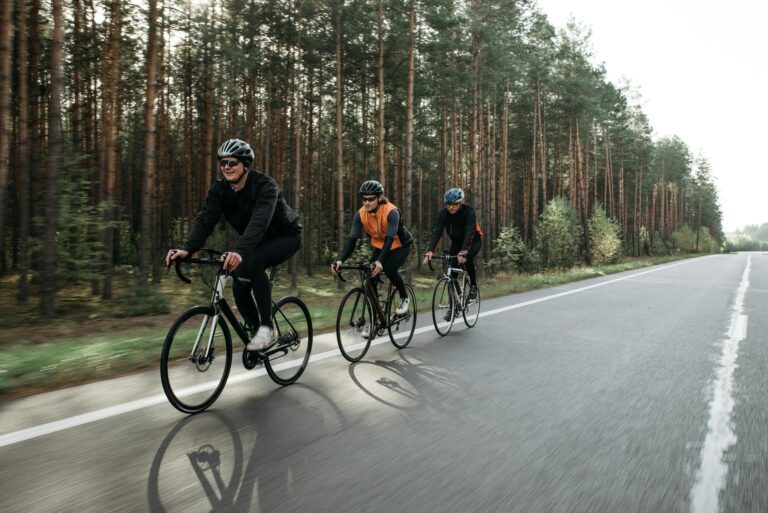
Riding safely on roads without bike lanes requires a combination of positioning strategy, enhanced visibility, and defensive awareness.
Riding safely on roads without bike lanes requires a combination of positioning strategy, enhanced visibility, and defensive awareness.
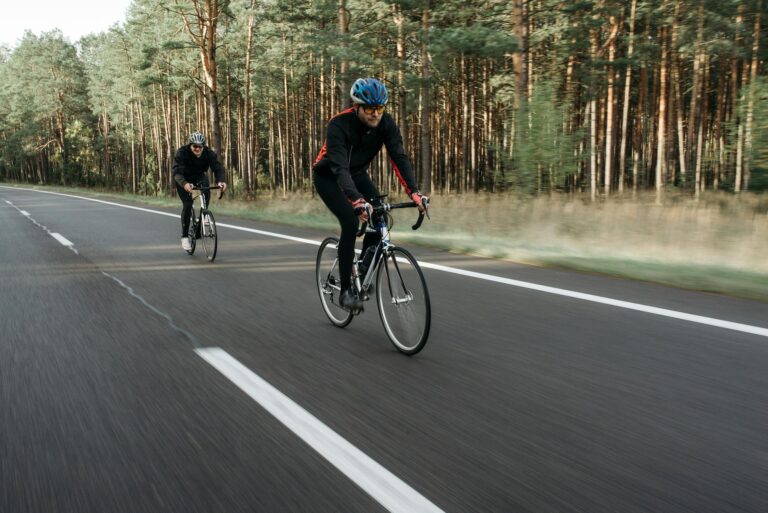
When shopping for a new bike, the most critical safety features to prioritize are a properly rated helmet, reliable disc brake system, adequate lighting...
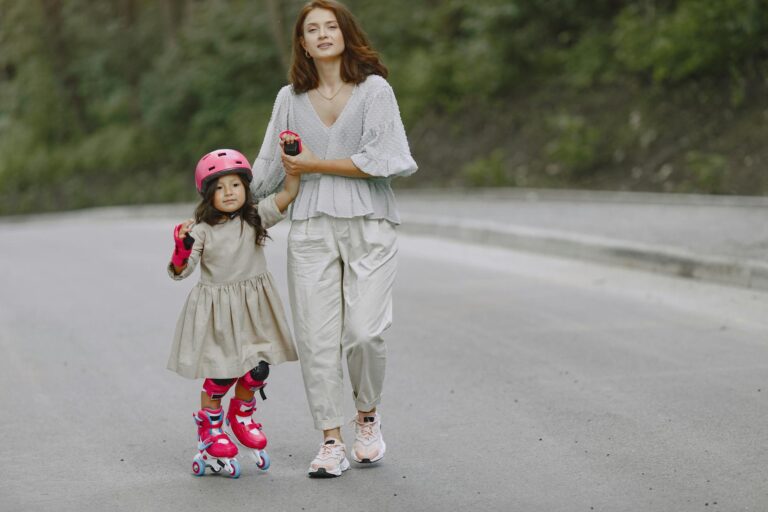
Teaching traffic safety to young cyclists starts with building awareness before speed. Rather than waiting until kids are riding independently on roads,...

The most effective way to document a bike accident for insurance claims is to create a comprehensive record at the scene and in the days following the...

Every cyclist needs a first aid kit on their rides—the reality of cycling is that crashes happen, and when they do, having the right supplies within arm's...

The safest way to cycle alone in remote areas is a combination of three foundational practices: thorough pre-ride planning (including telling someone your...
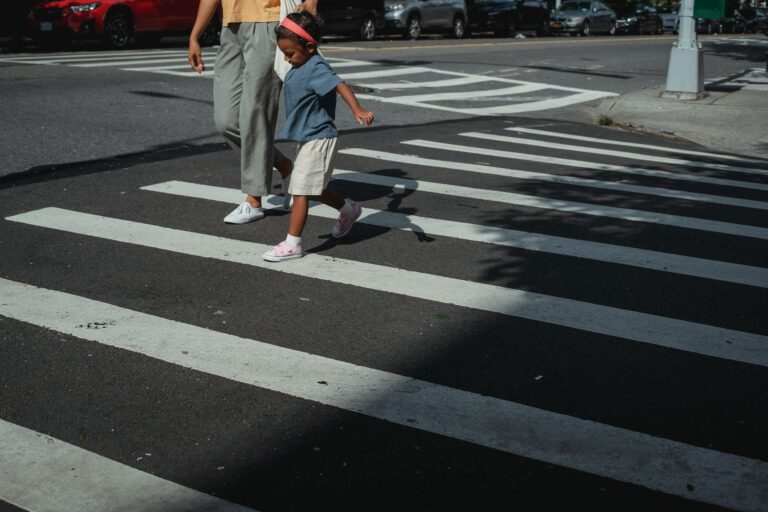
The best practices for passing pedestrians on shared paths boil down to three core actions: announce your presence clearly with "On your left" or a bell,...

The most effective way to handle a dog chasing you while cycling is to remain calm and reduce your speed gradually rather than sprinting away or swerving.
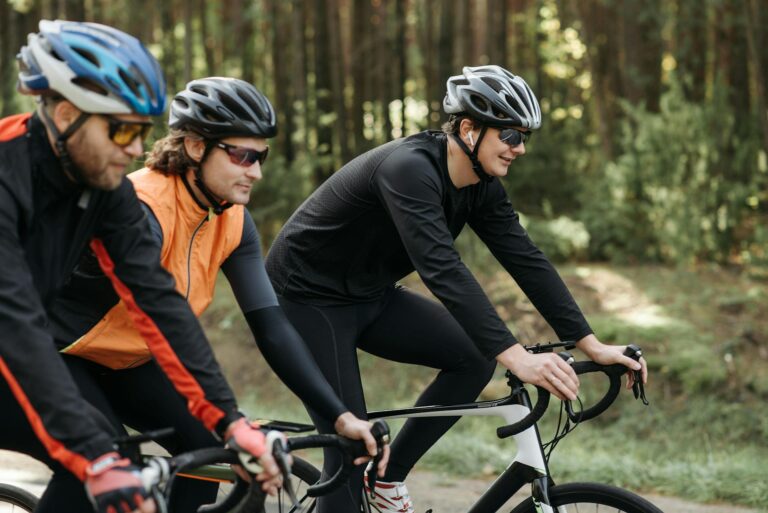
Riding a bike through construction zones requires heightened visibility, slower speeds, and constant awareness of unpredictable obstacles—the three...

Defensive riding means staying alert to what drivers around you are likely to do next, rather than reacting only after they've done it.