When shopping for a new bike, the most critical safety features to prioritize are a properly rated helmet, reliable disc brake system, adequate lighting (100+ lumens for urban riding), and reflectors that meet legal standards. These four elements form the foundation of bike safety—a helmet protects your head during crashes, quality brakes give you stopping power when you need it, lights make you visible to motorists in darkness, and reflectors provide passive visibility when you’re not using active lighting. A commuter might choose a bike with hydraulic disc brakes and an integrated rear light, while a trail rider might prioritize a helmet designed for higher-speed impacts and powerful front lighting. This article covers what to evaluate on each safety component when you’re comparing bikes, from helmet certifications to brake performance to lighting brightness standards.
Table of Contents
- Selecting a Helmet That Meets Your Riding Speed
- Brake System Performance and Stopping Power
- Front and Rear Lighting for Visibility
- Reflectors and Legal Compliance
- Frame and Component Materials for Impact Protection
- Integrated vs. Add-On Safety Systems
- Future-Proofing Your Bike Purchase
- Conclusion
Selecting a Helmet That Meets Your Riding Speed
The helmet you choose depends heavily on how fast you’ll be riding. Standard CPSC-certified helmets sold in the U.S. are designed for bikes reaching speeds up to 15 mph, which works fine for casual neighborhood riding and most urban commuting. If you’re buying an e-bike or planning to ride faster downhill sections, you need a different certification entirely.
The NTA 8776 standard, introduced in 2016 specifically for e-bikes, is designed for speeds up to 28 mph and provides more extensive head coverage, particularly at the back and sides of your head where impacts at higher speeds become more likely. The difference is meaningful: NTA 8776 helmets must restrict maximum head impact force to 250 g, offering significantly more protection than standard helmets. Research shows that bicycle helmets reduce the risk of traumatic brain injuries by 88% and can lower severe head trauma risk by up to 85%, making helmet choice one of the highest-impact safety decisions you’ll make. Beyond certification standard, look for helmets with MIPS (Multi-directional Impact Protection System) technology, which uses a low-friction inner layer to redirect rotational energy away from your head during angled impacts—the kind that happen in real-world crashes rather than straight vertical drops. A growing trend is smart helmet adoption: by 2025, 25% of bicycle helmets featured integrated smart technology like crash detection and GPS, with 35% expected to incorporate carbon fiber or advanced polymers by 2026, making lighter, stronger options more accessible.

Brake System Performance and Stopping Power
Your bike‘s brakes determine whether you can stop safely in an emergency, and the type of braking system matters considerably. Hydraulic disc brakes deliver 20-30% more stopping power with significantly less hand effort compared to mechanical disc brakes, and they provide better modulation—the ability to apply precise braking pressure rather than just on-or-off power. The tradeoff is cost: hydraulic systems run 2-3 times more expensive than mechanical disc brakes, though they require less long-term maintenance. For casual riding on flat terrain, mechanical disc brakes perform adequately and keep your initial investment down.
However, if you’re buying a bike for frequent urban commuting, descending hills regularly, or any scenario where you need responsive, powerful stopping, the extra cost of hydraulic brakes is usually justified. E-bikes are driving innovation in braking safety, with manufacturers increasingly pairing hydraulic disc brakes with automatic braking systems that use sensors to detect obstacles and engage the brakes in emergencies—a feature that’s starting to appear on higher-end conventional bikes as well. When evaluating a bike, test the brake responsiveness in the shop or ask the mechanic to adjust them if they feel spongy or require excessive hand pressure. A quality brake system should slow or stop you smoothly without locking up the wheel or requiring you to squeeze hard.
Front and Rear Lighting for Visibility
Lighting brightness matters far more than most bike buyers realize, and lumens (the measure of light output) directly correlate with how far away a motorist can see you. For urban commuting on lit streets, 100-200 lumens on your front light is sufficient, though it won’t illuminate far ahead. If you’re riding on rural roads without streetlights, you’ll want 400-600 lumens to actually see the road surface ahead of you and give oncoming traffic time to notice you. For technical trail riding at night, 1,000+ lumens becomes the practical minimum. The federal guideline for front lights is a minimum of 10 lux at 10 meters distance, but that’s the bare legal minimum—recommended brightness is 30-100 lux, which translates to roughly 100-200 lumens depending on lens design.
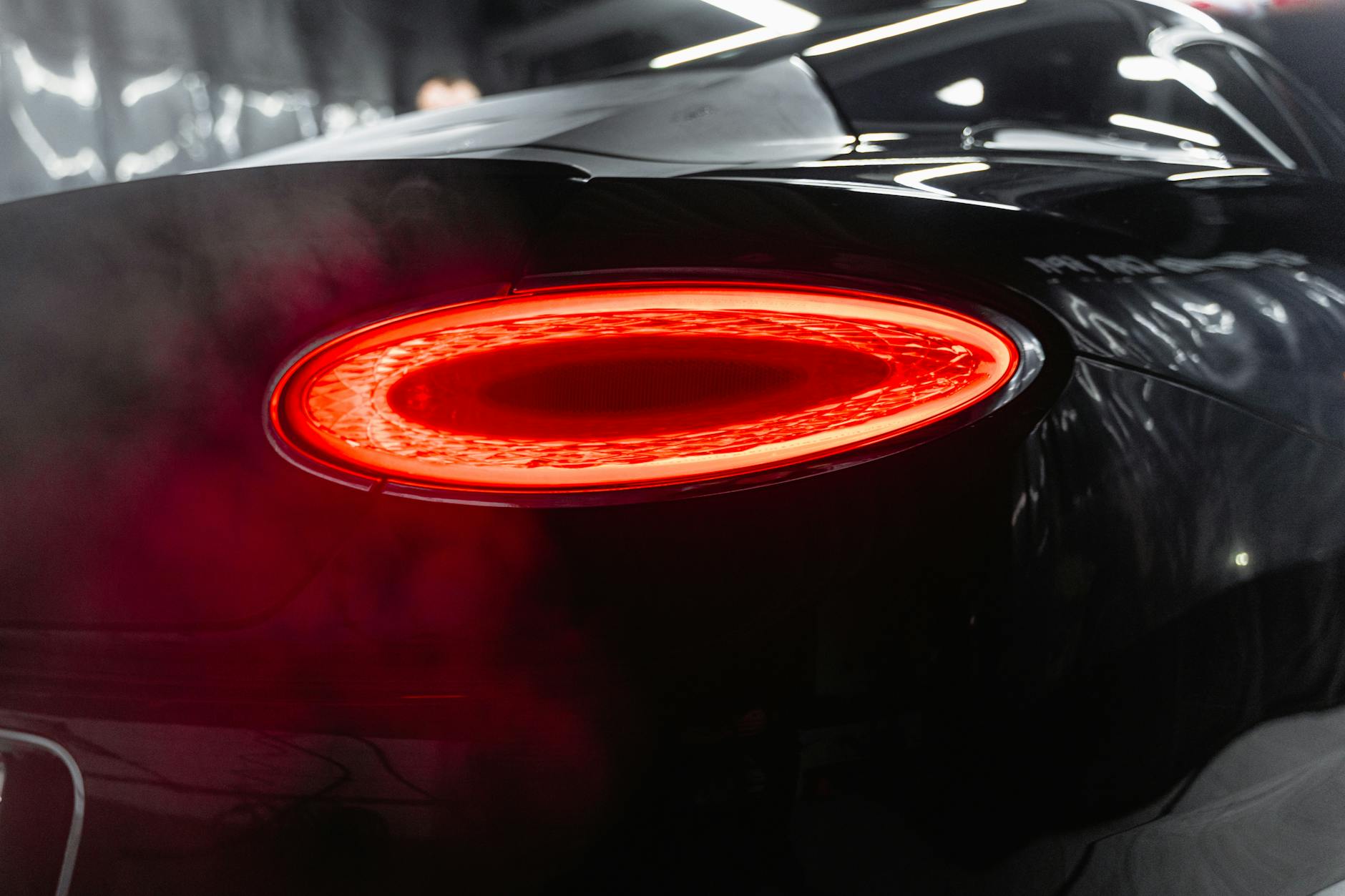
Your rear light receives less attention but plays an equally critical role in being seen from behind. A rear light between 50-100 lumens is sufficient for nighttime urban visibility, though brighter is better in heavy traffic. Look for lights that offer steady and flash modes: steady is better for being seen, but flash mode drains batteries much more slowly if you need all-night visibility. Adaptive lighting is becoming standard across major brands as of 2025-2026, with features like automatic brightness adjustment based on ambient light and smartphone connectivity for remote control or emergency alerts. Many modern bikes now come equipped with integrated rear lights built into the seat post or seatstay, simplifying installation compared to older clip-on systems.
Reflectors and Legal Compliance
Every bike sold in the U.S. must have a colorless front reflector, a red rear reflector, and either spoke-mounted reflectors or reflective wheel rims and tire sidewalls—these are federal legal requirements, not optional accessories. However, the quality of reflectors varies dramatically. Basic reflectors that come stock on cheap bikes provide minimal visibility, while premium reflectors using 3M Scotchlite technology achieve a reflective rate of 560 cd/lux with visibility up to 1,000 feet when illuminated by vehicle headlights.
If you buy an upscale bike, the stock reflectors are likely decent quality, but if you’re buying budget-friendly, consider upgrading to better reflectors as an inexpensive safety boost. Modern reflector design has improved significantly with products like 360-degree wheel reflectors that provide gap-free reflection in all directions without impacting wheel weight or aerodynamics. These aren’t legal requirements, but they add passive visibility that works even when your lights fail—a real-world scenario if you hit a pothole and a light gets damaged. The combination of lights (active visibility) and reflectors (passive visibility) creates redundancy: if one system fails, the other keeps you visible.
Frame and Component Materials for Impact Protection
While not as directly protective as a helmet, the frame material and component design of your bike influence how safe it is during a crash. Steel frames absorb impact energy and tend to bend rather than break, making them more forgiving in collisions, though they’re heavier and slower than aluminum or carbon frames. Aluminum frames are stiffer and lighter but more prone to cracking if bent—a tradeoff many riders accept for the weight savings.
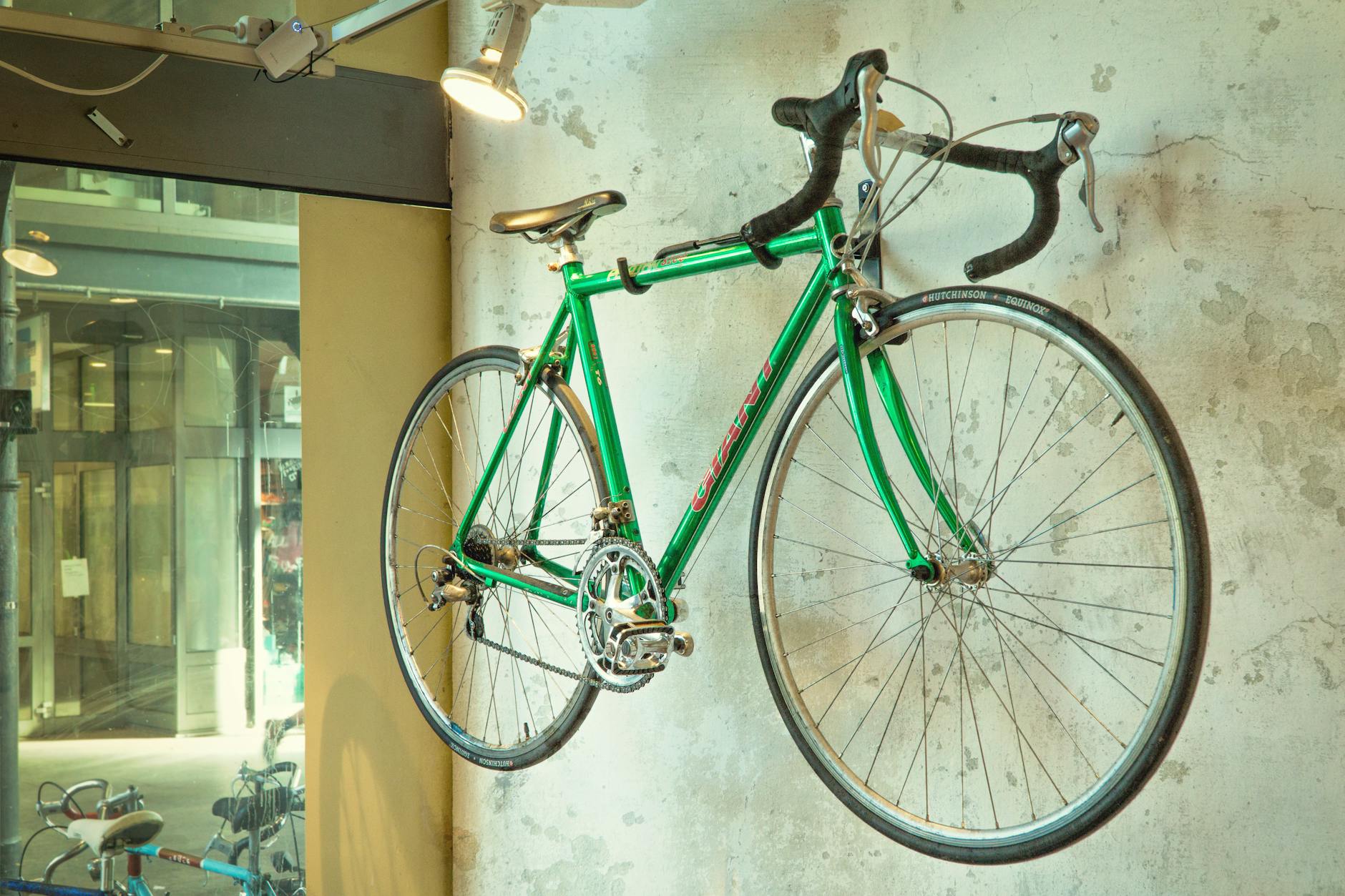
Carbon fiber offers the best strength-to-weight ratio but is the most expensive and can develop hidden damage that reduces strength without visible signs. For urban commuting where the risk of low-speed crashes with cars or pedestrians is real, heavier, more durable materials might be safer than lightweight racing geometry. A comfort-oriented frame geometry with upright positioning also improves visibility and control compared to aggressive drop-bar racing positions, making it a practical safety choice for city riding. When buying a bike, consider whether you want forgiving geometry and materials that prioritize durability, or whether you’re willing to accept the fragility of ultralight racing components in exchange for speed and agility.
Integrated vs. Add-On Safety Systems
Many modern bikes now integrate safety features directly into the design rather than relying on aftermarket accessories. Integrated rear lights, built-in fenders to reduce splash and debris spray, and cable routing that keeps wires away from your drivetrain are becoming standard on commuter-focused bikes. Integrated systems are often cleaner-looking and less likely to get knocked off or forgotten, though they’re typically more expensive to replace if damaged.
Add-on lights and reflectors give you more flexibility and usually cost less upfront, but you have to remember to install them correctly and keep them maintained. When evaluating a bike, ask what safety features are integrated versus requiring you to buy separately. A bike without built-in reflectors or lights might actually be cheaper overall if you were going to upgrade to quality components anyway, but a fully equipped safety-conscious bike saves you that step. Some manufacturers now include smart lighting packages as standard, while others offer them as premium upgrades.
Future-Proofing Your Bike Purchase
The bike safety landscape is evolving rapidly, with automatic braking systems, adaptive lighting, and connectivity features becoming mainstream by 2026. If you’re investing in a new bike, consider whether you want features that can be updated via software (smart lights, sensors) or prefer mechanical simplicity with no batteries to charge or electronics to fail.
The trend toward e-bikes is also driving safety innovation faster than it appears in conventional bikes, so features like automatic emergency braking that start on high-end e-bikes often trickle down to regular bicycles within a few years. Lighting and reflector standards are also tightening: 2026 bicycle lighting and visibility standards in effect across California and the United States have increased legal requirements, making it more important to verify that any bike you buy meets current regulations, not just older minimums. When you’re comparing models, ask the shop whether the bike meets 2026 lighting standards and whether key components like lights and reflectors are upgradeable or proprietary.
Conclusion
The foundation of bike safety starts with four non-negotiable features: a helmet certified for your riding speed (CPSC for casual riding, NTA 8776 for e-bikes), reliable disc brakes that provide strong stopping power, front and rear lights with adequate brightness for your riding environment (100+ lumens minimum for urban riding), and reflectors that meet legal standards. Beyond these essentials, evaluate the frame geometry and materials for practical durability, choose between integrated and aftermarket safety components based on your priorities, and ensure any bike you buy meets current 2026 visibility standards rather than older minimums.
When you’re at the bike shop, don’t just look at the frame geometry or component specs—test the brakes for responsiveness, confirm the lighting brightness matches your commute conditions, and verify that reflectors are present and high-quality. Spending an extra few hundred dollars on hydraulic brakes or integrated smart lighting now could prevent an expensive hospital visit later, making safety features among the best value investments you can make on a bike purchase.


