Riding safely on roads without bike lanes requires a combination of positioning strategy, enhanced visibility, and defensive awareness. The fundamental approach is to position yourself on the right side of the road to allow traffic to pass, but strategically take the lane—riding in the center—when the road is too narrow for safe sharing or at intersections where vehicles might turn right. For example, on a narrow rural road where a truck and a cyclist cannot safely pass side by side, moving to the center forces drivers to recognize you as a vehicle rather than something that can be squeezed past, creating a safer interaction. This article explores the specific techniques, safety statistics, and practical strategies for navigating roads without dedicated cycling infrastructure while minimizing your risk of injury or collision.
The reality is sobering: roads without bike facilities are approximately 1.26 times more dangerous on major streets and 1.04 times more dangerous on minor streets compared to roads with proper cycling infrastructure. In 2021 alone, 966 pedalcyclists died in traffic crashes in the United States, and nearly 120,000 non-fatal bicycle crash injuries required emergency department visits. Yet many cyclists must ride on these unprotected roads simply because bike lanes don’t exist in their area. By understanding the risks and applying proven safety techniques, you can significantly reduce your vulnerability.
Table of Contents
- Why Roads Without Bike Lanes Present Special Challenges for Cyclists
- Understanding the Top Causes of Bicycle Crashes and How to Counter Them
- Mastering Road Position and “Taking the Lane”
- Visibility and Lighting—Your First Line of Defense
- The Critical Importance of Signaling and Communication
- Helmet Use and Bike Maintenance—Crash Mitigation
- The Reality of Risk and Infrastructure Advocacy
- Conclusion
Why Roads Without Bike Lanes Present Special Challenges for Cyclists
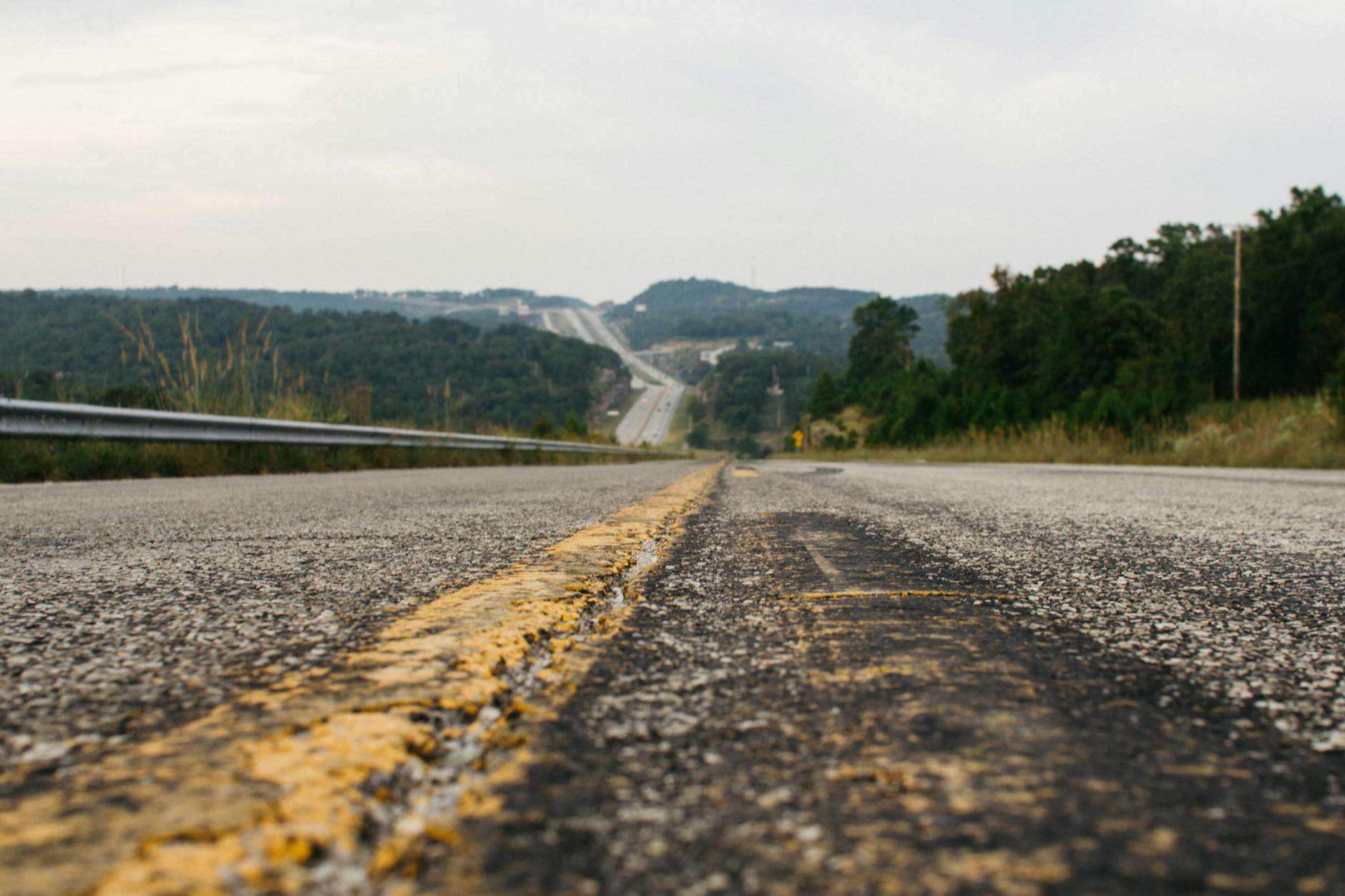
Roads lacking cycling infrastructure force cyclists into direct competition with automobile traffic for road space. Without a physical or painted buffer, drivers and cyclists must navigate shared space with no clear boundary, which naturally creates more conflict points. A study examining painted bike lanes found a striking paradox: painted lanes and bike arrows actually show no improvement in safety, and roads with painted symbols are sometimes less safe than unpainted roads. This is because paint provides a false sense of protection without true physical separation. The actual danger lies in the perception gap—when drivers see a painted symbol, they may not adjust their behavior, but cyclists feel safer and might lower their guard.
Without any lane markings whatsoever, at least there’s no false security to undermine your awareness. The psychological impact is measurable: 17% of bicyclists report feeling threatened on roads without any bike facilities, compared to only 10% when both paths and lanes are available. That difference in perceived safety can actually influence real safety by keeping cyclists more vigilant. On roads without infrastructure, you cannot afford to assume drivers see you or will yield space. Unlike a road with a painted lane, there’s no visual reminder to drivers that cyclists belong in that space.
Understanding the Top Causes of Bicycle Crashes and How to Counter Them
The leading cause of fatal bicycle crashes is cyclists failing to yield the right of way, and the second is cyclists not being visible to drivers. These two causes represent a critical gap: cyclists either misjudge traffic situations or are simply not detected. On roads without bike lanes, your visibility burden increases dramatically. You cannot rely on infrastructure to make you visible; you must actively advertise your presence through bright clothing, reflective materials, and functional lights and reflectors on your bike. A cyclist in dark clothing riding at dusk without lights becomes virtually invisible to approaching drivers, no matter how predictably you ride.
However, visibility alone isn’t sufficient. You must also develop the ability to anticipate driver behavior before they act. This means staying focused and alert to traffic patterns, understanding which drivers might make sudden turns, and recognizing dangerous situations several seconds before they develop. A common scenario: you’re riding on a road with parked cars and a driver is about to open their car door into your path. Without infrastructure separating you, you have no buffer zone, and the driver may not check their mirror. The only defense is staying far enough left to avoid the “door zone,” which requires taking more space on the road—another reason why positioning strategy matters more on unprotected roads.
Mastering Road Position and “Taking the Lane”
Position yourself on the right side of the road in normal conditions, but never so far right that you’re forced into gravel, debris, or storm drains. Many new cyclists ride too far right, believing they should give drivers maximum space, but this actually signals that the road is wide enough to share unsafely. Instead, ride about 3 to 4 feet from the right edge, claiming enough space to be stable and visible. When conditions demand it—at intersections, on narrow roads, or when turning—move toward the center of the lane to “take the lane.” This isn’t aggressive; it’s assertive visibility. A car entering a narrow road sees a cyclist in the center and understands immediately that passing is impossible, so they wait until safe passing is available.
The downside of taking the lane is that some drivers will become impatient or aggressive, honking or swerving around you unsafely. This is one reason that traffic calming measures and reduced speed limits on local streets are essential for improving safety without dedicated bike infrastructure. When traffic moves slowly, the consequences of conflict decrease dramatically. On a road with a 25 mph speed limit enforced by traffic calming, a close pass is frightening but survivable; on a 50 mph road, the same pass is potentially fatal. Your positioning strategy must account for the traffic speed you’re facing. A quiet residential street allows you to ride with less defensiveness than a busy commercial road.

Visibility and Lighting—Your First Line of Defense
Bright clothing and reflective materials are non-negotiable on roads without bike infrastructure. Wear high-visibility yellow or orange whenever possible, especially during low-light conditions. Reflective elements on your jersey, pants, or dedicated safety gear should cover your torso and legs, the areas drivers track first. But clothing is insufficient alone; you must also ensure your bike is visible. Use a white front light and a red rear light or reflector, and don’t assume daylight riding eliminates this need.
Many bicycle crashes occur during daytime because drivers fail to notice cyclists; adding lights and reflectors in daylight reduces this risk further. The comparison between passive reflectors and active lights is important: reflectors require the driver’s headlights to illuminate you, which happens only at night. Active lights—LED lights powered by batteries—are visible 24/7 and much more effective at alerting drivers to your presence. A rear blinking light, particularly in red, is extremely effective at drawing attention; even in bright daylight, a pulsing light catches a driver’s peripheral vision. Invest in quality lights with long battery life, and check them before every ride. A light that goes dead mid-ride on a road without bike lanes leaves you vulnerable.
The Critical Importance of Signaling and Communication
Signal all your intentions well in advance before changing lanes or turning. This isn’t just a legal requirement; it’s your primary communication tool with drivers who cannot hear you and cannot see your eyes. A clear hand signal 30 feet before you turn gives drivers time to adjust their speed or position. On roads without bike infrastructure, drivers aren’t primed to notice cyclists, so deliberate, obvious signals are essential. A driver might miss a subtle hand movement but will see an exaggerated left-arm signal pointing left for a turn.
However, signaling creates a vulnerability: once you’ve signaled a turn, your hand is no longer on the handlebars, and your bike control is compromised. Never signal at the expense of bike stability. On rougher roads or at higher speeds, maintain hand control and communicate by riding your line clearly rather than with hand signals. The goal is to make your intention unmistakable, whether through signals or predictable positioning. Additionally, avoid mixing signals—don’t signal while simultaneously swerving around a pothole, as this creates ambiguity about your actual intention.
Helmet Use and Bike Maintenance—Crash Mitigation
A helmet is not a guarantee of safety on roads without bike infrastructure, but it is a proven mitigation if a crash occurs. Helmets reduce the risk of head and brain injury in a crash, which are the injuries most likely to result in long-term disability or death. You should wear a helmet regardless of the road type, but on unprotected roads where driver mistakes can send you into pavement, helmet use becomes even more critical. This is not a substitute for avoiding the crash in the first place, but it is a practical safeguard you control entirely. Bike maintenance directly impacts your safety in ways cyclists often overlook.
Underinflated tires reduce stability and increase the risk of punctures that could cause you to lose control. Check tire inflation before every ride and maintain the pressure recommended by your tire manufacturer. Test your brakes before every ride as well, ensuring both wheels stop evenly and responsively. A brake that fails or fades on a road without bike lanes leaves you with no emergency response option if a driver pulls out suddenly. These simple checks take two minutes and can be the difference between walking away from a close call and being struck.
The Reality of Risk and Infrastructure Advocacy
Understanding that roads without bike infrastructure are genuinely more dangerous shouldn’t paralyze you; it should inform your approach. Protected bike lanes reduce injury crashes by 40% in New York City and by more than 50% in some locations, demonstrating that infrastructure works. The highest risk period for bicycle crashes is July through October, coinciding with peak cycling season and warm weather. During these months, especially if you ride frequently on unprotected roads, heighten your awareness and consider adjusting your route or timing when possible.
Many cyclists face the choice between riding on roads without infrastructure or not riding at all. By understanding the specific hazards of unprotected roads and applying the strategies outlined—positioning, visibility, signaling, and anticipation—you can navigate these roads more safely. Simultaneously, advocating for better cycling infrastructure in your community addresses the root problem. 73% of bicyclist deaths occur in urban areas, where infrastructure is most feasible to install. The long-term solution is traffic calming and protected cycling facilities, but in the immediate term, you must master riding smart on the roads available to you.
Conclusion
Riding safely on roads without bike lanes requires a three-part approach: positioning yourself appropriately with the confidence to take the lane when needed, ensuring you are visible through bright clothing, lights, and reflectors, and maintaining constant awareness of traffic patterns to anticipate driver behavior. These techniques don’t eliminate the danger inherent in unprotected roads, but they significantly reduce your risk. Combined with a well-maintained bike, a properly fitted helmet, and clear signaling of your intentions, you can navigate roads without infrastructure far more safely than cyclists who rely on passive hope that drivers will notice them.
Remember that the safest option is always to use established cycling infrastructure when available, and to advocate for its expansion in your community. But until complete networks of protected lanes exist everywhere, most cyclists must ride on roads without dedicated infrastructure at some point. By applying these evidence-based strategies and staying mentally engaged throughout every ride, you can enjoy cycling while minimizing your vulnerability to the very real dangers that unprotected roads present.


