Every cyclist needs a first aid kit on their rides—the reality of cycling is that crashes happen, and when they do, having the right supplies within arm’s reach can mean the difference between a minor inconvenience and a hospital visit. A basic bike first aid kit contains sterile gauze pads, antiseptic wipes, saline solution, triple antibiotic ointment, butterfly closures, blister plasters, and a waterproof carrying case that fits easily in a seat bag or backpack. Consider a scenario where you hit gravel on a descent and skin your knee badly—without gauze and antiseptic, that wound becomes vulnerable to infection during the ride home. This article covers what belongs in your kit, how to use each item, when to seek emergency care, and how proper training elevates your ability to help yourself or a riding partner in a real crisis.
Bicycle accidents aren’t theoretical. According to the CDC, approximately 1,000 bicyclists die annually in road crashes involving motor vehicles, and another 120,000 suffer non-fatal crash-related injuries serious enough to require emergency department care. Head injuries are particularly prevalent—about 25-50% of injured cyclists suffer head injuries or concussions, and head injuries account for over 60% of bicycle fatality deaths. Collarbone fractures are the most common bone breaks from cycling accidents, followed by shoulder, hand, and wrist injuries. What this means is that while most rides go without incident, the potential for injury is real, and being prepared is responsible cycling.
Table of Contents
- What Should Your Bike First Aid Kit Contain?
- Understanding When Your Kit Is Enough and When It Isn’t
- The RICE Method for Managing Common Injuries on the Ride
- Building Your Kit Based on Riding Style and Distance
- Wound Care Best Practices That Save Healing Time
- Head Injury Recognition and Immediate Response
- Prevention and the Confidence That Comes From Preparation
- Conclusion
What Should Your Bike First Aid Kit Contain?
Your bike first aid kit should start with sterile gauze pads in common sizes—4×4 and 5×9 pads work well for most abrasions and cuts. These provide effective blood absorption and create a protective barrier over the wound while it begins to heal. Pair gauze with antiseptic wipes containing either alcohol or povidone-iodine; these clean away dirt and bacteria from the wound site.
However, if you’re concerned about antiseptic wipes potentially drying out or irritating sensitive skin, saline solution is a gentler alternative that cleans the wound effectively without impeding the natural healing process—many experienced cyclists prefer saline for this reason. Beyond cleaning supplies, include triple antibiotic ointment for infection prevention and accelerated healing, butterfly closures or adhesive strips for holding small lacerations together without stitches, and specialized blister plasters for hot spots and developing blisters. All of these should fit into a waterproof carrying case with reliable closures—either a roll-top design or Velcro fasteners that keep everything dry if you ride through rain or splash through puddles. A basic kit adds minimal weight to your bike and takes up no more space than a smartphone.
Understanding When Your Kit Is Enough and When It Isn’t
Not every injury is treatable with a bike-side first aid kit, and knowing the limits of roadside care is crucial. Minor cuts, scrapes, and small blisters respond well to kit supplies—clean with saline, apply antibiotic ointment, cover with gauze if needed, and you’re ready to continue or head home depending on pain level and visibility of the wound. Fractures, suspected head injuries, chest pain, severe bleeding, or any injury involving potential spinal cord damage requires immediate emergency care. The rule is absolute: never move an injured person with suspected spinal cord injury; call emergency services immediately instead.
This is where training becomes essential. At minimum, at least one person in any regular cycling group should have formal first aid certification and CPR knowledge. If you ride alone frequently or lead group rides, consider taking a Wilderness First Responder course, which teaches advanced response to spinal cord injuries, anaphylaxis, severe bleeding control, and decision-making for when to call for help versus proceeding with self-care. Many cyclists discover that the knowledge they gain from these courses is more valuable than any kit item.
The RICE Method for Managing Common Injuries on the Ride
The RICE protocol—Rest, Ice, Compression, Elevation—provides the framework for managing sprains, strains, and impact injuries that don’t require emergency transport. Rest means stopping activity and keeping the injured body part still rather than continuing to ride hard through pain. Ice applied for 15-20 minutes every few hours reduces swelling and numbs pain, which is why many cyclists carry a small cold pack in their kit for the ride home (though ice from a convenience store works too). Compression using an elastic bandage prevents additional swelling, and elevation—keeping the injured area raised above heart level—helps drain swelling back into the body.
A practical example: you twist your ankle slightly stepping off your bike at a stop. You sit for five minutes, apply compression with an elastic wrap from your kit, keep it elevated on your bike frame, and ice it at the next convenience store. By the time you ride home an hour later, swelling has stabilized and you can assess the injury properly instead of riding on an acutely swollen ankle that might be fractured. RICE works best when applied quickly, within the first 24 hours of injury.

Building Your Kit Based on Riding Style and Distance
A short urban commute kit differs from a backcountry mountain bike kit, and recognizing this prevents you from carrying unnecessary weight or finding yourself unprepared. Commuters and casual recreational cyclists benefit from a basic kit in a small seat bag—gauze, antiseptic wipes, antibiotic ointment, butterfly closures, and blister plasters weigh almost nothing and address the most common roadside injuries. Mountain bikers or riders heading into remote areas should add elastic bandages for sprains and strains, tweezers for splinter removal, and consider a small CPR face shield or rescue breathing mask if riding with others.
The tradeoff is weight versus preparedness. A comprehensive kit adds ounces and takes up pocket space; a minimal kit saves weight but leaves you vulnerable if something serious happens far from civilization. Most cyclists find a middle ground—enough supplies for common injuries plus the confidence that comes from basic first aid training, which requires no kit additions and remains your most valuable safety asset.
Wound Care Best Practices That Save Healing Time
Proper wound care in the first minutes after injury determines infection risk and healing speed. First, stop any bleeding by applying direct pressure with a clean cloth or gauze pad for several minutes. Once bleeding slows, gently clean the wound with saline solution to remove dirt, gravel, and debris—this single step prevents painful infections that can develop over days. Never use dirty water or ride through the injury; the longer contaminated material stays in the wound, the higher the infection risk.
After cleaning, apply triple antibiotic ointment, which reduces infection risk and speeds healing compared to leaving a wound exposed. For deeper cuts or wounds with irregular edges where you can’t easily see if dirt remains embedded, get professional evaluation at an urgent care clinic rather than heading home. Infection from a poorly cleaned wound creates complications far worse than spending an hour getting stitches. A warning: if a wound shows signs of infection within days—increasing redness, warmth, swelling, pus, or red streaks—seek medical care immediately rather than self-treating with kit supplies.
Head Injury Recognition and Immediate Response
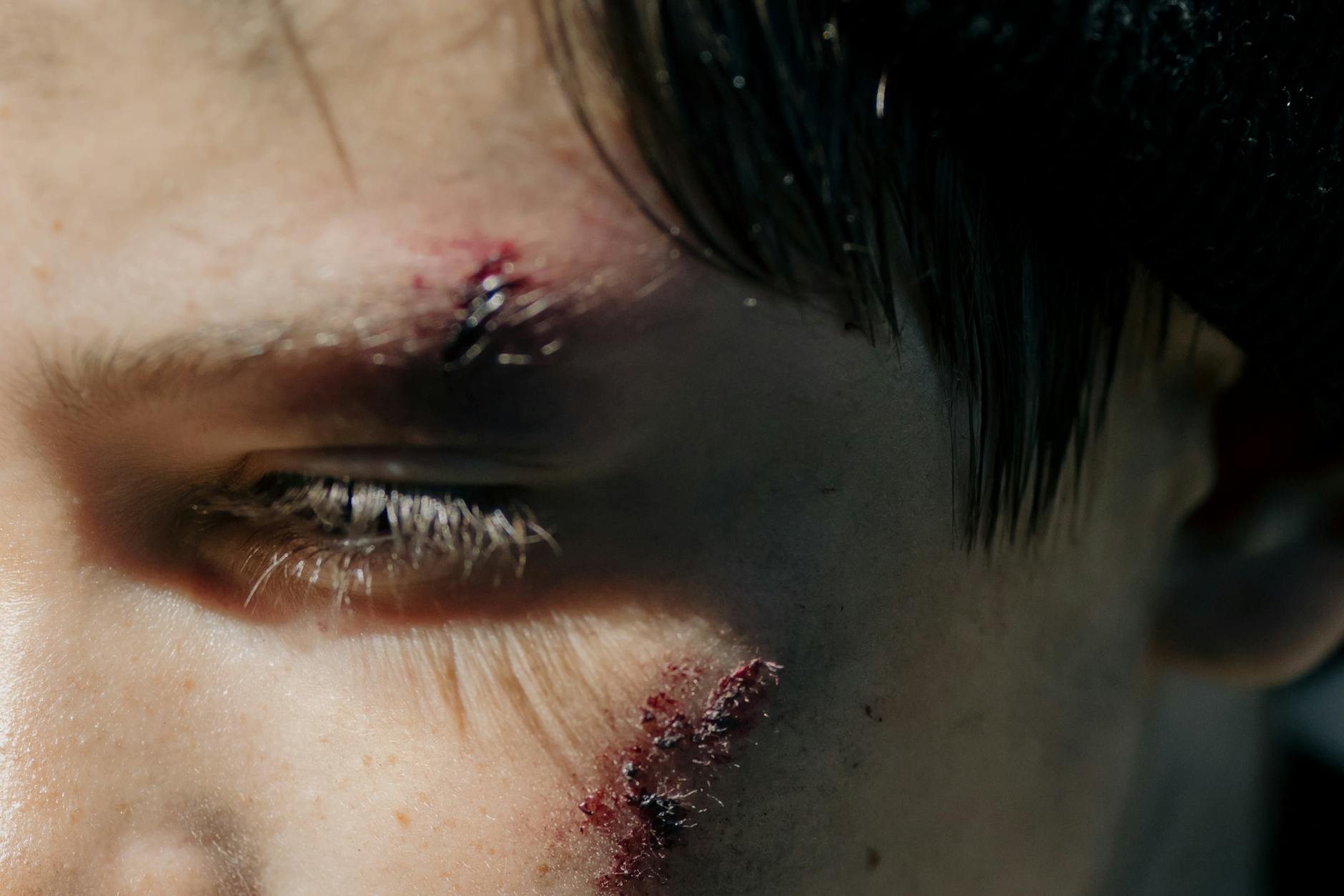
Given that head injuries account for over 60% of bicycle fatality deaths, understanding how to recognize a serious head injury is potentially life-saving information. Any cyclist who hits their head and loses consciousness, even briefly, needs immediate emergency transport. Signs of serious head injury also include confusion, difficulty speaking or understanding others, vomiting, severe headache, vision changes, or loss of balance.
If a riding partner shows these signs, call emergency services and do not let them continue riding, even if they feel okay initially. Concussions—impacts that don’t necessarily cause visible injury but disrupt brain function—are common in cycling crashes and carry delayed effects. A cyclist who seems fine immediately after hitting their head but develops a headache, dizziness, or difficulty concentrating within hours has likely suffered a concussion and should seek medical evaluation. Recovery requires physical and cognitive rest; pushing through a concussion extends recovery time and increases risk of long-term complications.
Prevention and the Confidence That Comes From Preparation
A well-stocked first aid kit and proper training create confidence that reduces anxiety during rides, allowing you to focus on the road instead of worrying about worst-case scenarios. Prevention remains the ultimate strategy—wearing a helmet dramatically reduces head injury risk, maintaining your bike prevents mechanical failures, riding defensively keeps you away from traffic, and building fitness improves bike handling.
A first aid kit doesn’t replace these fundamentals; it supplements them. The culture of cycling has shifted toward taking safety seriously, and part of that is recognizing that serious injury happens occasionally. Riders who carry kits and pursue training aren’t being pessimistic—they’re being responsible and self-reliant, which is core to cycling’s appeal.
Conclusion
A bike first aid kit is one of the smallest, lightest investments you can make in your cycling safety. Sterile gauze, antiseptic wipes, saline solution, antibiotic ointment, butterfly closures, and blister plasters address the majority of injuries cyclists experience.
Beyond the kit itself, understanding the RICE protocol and recognizing when an injury requires emergency care are knowledge investments that matter far more than any individual supply. Start by assembling a basic kit appropriate for your riding style, and consider pursuing formal first aid training through organizations like the Red Cross or Wilderness First Responder courses if you ride frequently or in remote areas. The combination of preparedness and training transforms you from a cyclist who hopes nothing goes wrong into one who can handle reality when it does.


