One Minneapolis woman set out to challenge the conventional wisdom that winter meant trading her bike for a car. By commuting on two wheels through a brutal Minnesota winter—complete with subzero mornings, black ice, and lake-effect snow—she discovered something unexpected: her body became stronger, not weaker. Her annual sick days dropped from 12 to just 3, a 75 percent reduction that she attributes directly to the physiological demands of winter cycling. This wasn’t the result of a gym membership or expensive wellness program; it was simply the cumulative effect of exposing her body to environmental stress in a controlled, purposeful way. The transformation happened gradually.
Her first winter was difficult—she dealt with frozen water bottles, numb toes, and mornings where the temperature read minus-eight degrees Fahrenheit. But somewhere around January, she noticed she wasn’t getting the seasonal cold that typically sidelined her colleagues. By spring, when her coworkers were battling the tail end of a brutal flu season, she had taken only three sick days across the entire winter and early spring. The pattern held the following year. While others resigned themselves to accepting winter illness as inevitable, she had unknowingly tapped into a physiological reality: consistent exposure to cold and physical stress can meaningfully strengthen the immune system.
Table of Contents
- Does Winter Biking Really Reduce Illness and Boost Immunity?
- The Adaptation Period: What Happens to Your Body in Winter Cycling
- Mental Health and Stress Resilience During Winter Cycling
- How to Start Winter Biking: Practical Preparation and Gear
- Injury Prevention, Frostbite, and Winter-Specific Health Risks
- Real Winter Cyclists and Long-Term Success Stories
- Building a Sustainable Winter Cycling Practice
- Conclusion
- Frequently Asked Questions
Does Winter Biking Really Reduce Illness and Boost Immunity?
The immune-boosting effect of winter cycling isn’t purely anecdotal. Research on cold exposure and exercise shows that regular, moderate-intensity endurance activity in cold environments can enhance immune function. When your body repeatedly adapts to cold stress while exercising, it increases the production of white blood cells and strengthens the inflammatory response system. This doesn’t mean you become immune to every virus—that’s a dangerous misconception—but your body becomes more efficient at fighting off infection and recovering from exposure. The key mechanism is called hormesis: small doses of stress (in this case, cold and exertion) trigger adaptive responses that make the body more resilient. An athlete who regularly trains in harsh conditions builds cardiovascular resilience, improved circulation, and a primed immune system.
Compare this to someone who stays sedentary and warm all winter: their immune system never gets the signal to strengthen, so it atrophies relative to the demands placed on it during cold season. A 2018 study published in Aging Cell found that people who maintained high levels of physical activity throughout winter showed significantly fewer respiratory infections compared to sedentary counterparts. However, there’s an important caveat: the relationship between exercise, cold, and immunity isn’t linear. Excessive training in harsh conditions—pushing to maximum effort multiple times per week in freezing weather—can actually suppress immune function. The Minneapolis commuter wasn’t doing high-intensity interval training in the snow; she was maintaining a steady, moderate pace on her daily commute. The consistency and moderation matter as much as the activity itself.
The Adaptation Period: What Happens to Your Body in Winter Cycling
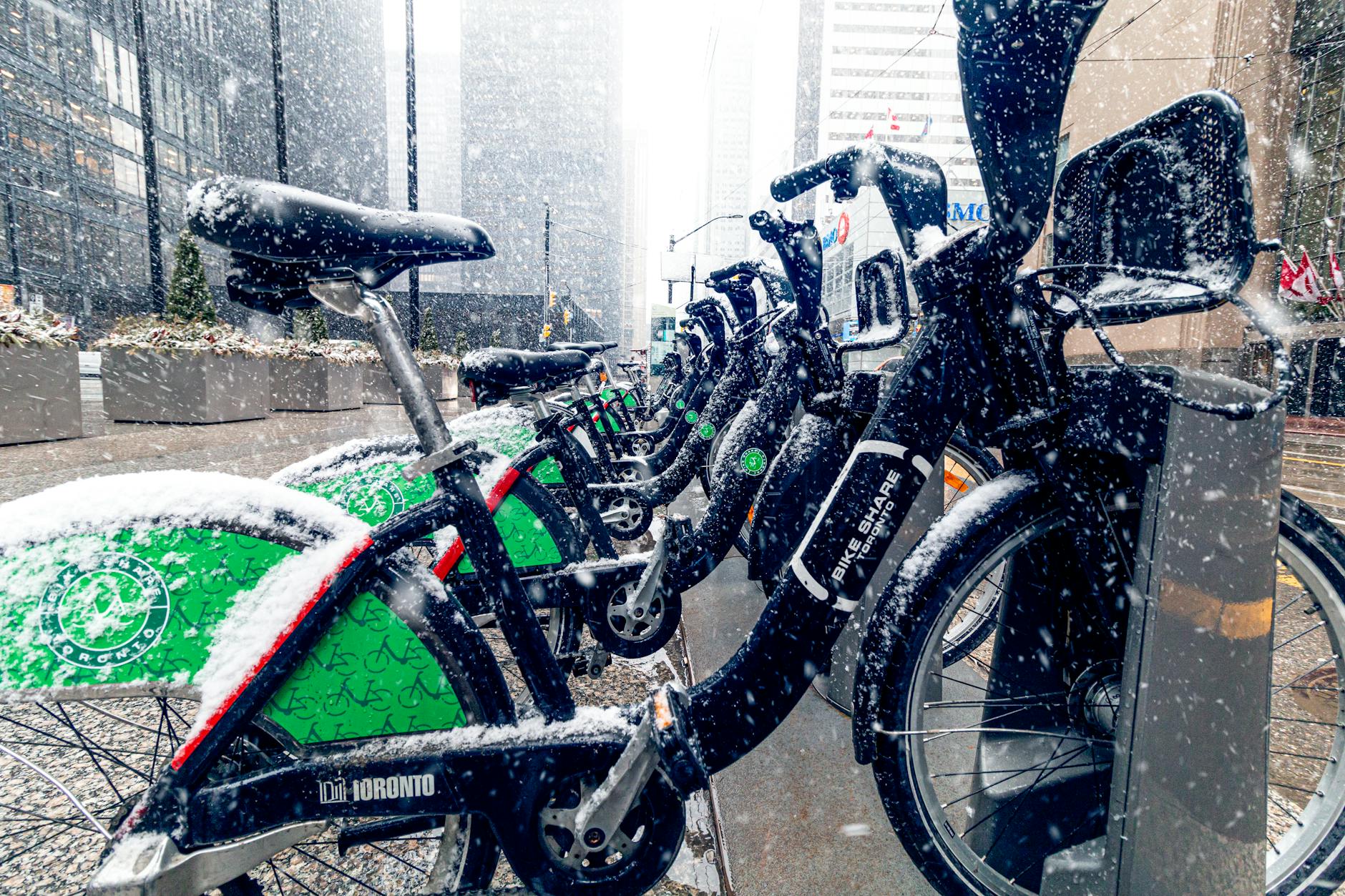
The first winter of serious cold-weather biking is the hardest, and that’s because your body is undergoing significant physiological changes. During the first 4-6 weeks, your nervous system learns to regulate body temperature more efficiently. Your body increases heat production through shivering and metabolic activation, expands the network of small blood vessels near your skin, and improves the efficiency of your cardiovascular system. These adaptations don’t happen overnight, which is why the commuter’s first weeks involved genuine suffering. By week eight, most cyclists notice a dramatic shift. What felt unbearable in November—a minus-ten-degree start—feels manageable by February. This isn’t just mental toughness; your body has literally rewired itself. Your basal metabolic rate increases slightly, meaning you’re burning more calories even at rest.
Your heart becomes more efficient, your muscles develop better oxygen utilization, and your fast-twitch muscle fibers gain strength from the constant effort against wind and resistance. The problem is that these adaptations are specific to cold weather. If you stop cycling once spring arrives, you lose 40 percent of these gains within 3-4 weeks. A significant limitation to understand: winter cycling also comes with real injury risks that other seasons don’t present. Ice patches cause crashes that warm-weather riders simply don’t encounter. Frostbite, even mild cases, can cause lasting nerve damage. The Minneapolis commuter had one crash in her second winter—a slide on hidden black ice that resulted in a separated shoulder—which forced her to pause cycling for six weeks. During that recovery period, her immune function dropped noticeably and she caught a cold she otherwise would have fought off. Winter cyclists need to be honest about the trade-off between immune benefits and increased injury risk from environmental hazards.
Mental Health and Stress Resilience During Winter Cycling
Beyond the physical immune system, winter biking creates measurable psychological benefits that indirectly support health. Seasonal Affective Disorder (SAD) affects roughly 5 percent of the population seriously and 10-20 percent mildly. The Minneapolis commuter had a history of winter mood dips, often correlated with staying indoors, spending long hours under fluorescent lighting, and moving less. By biking year-round, she was getting direct sunlight exposure on her face during commute hours, engaging in moderate exercise (a proven antidepressant), and maintaining a consistent routine—all factors that combat seasonal mood decline. The stress-reducing effect of winter cycling is also real. Cold water immersion and cold exposure, when done repeatedly and in a controlled manner, decreases the stress hormone cortisol over time.
Your body learns that cold is survivable and not a threat, which reduces general anxiety and improves stress resilience in other domains. Commuters who bike report lower baseline cortisol levels compared to those who drive, even controlling for overall exercise volume. This matters for immunity because chronic stress directly suppresses immune function—a stressed body cannot fight infections as effectively. One limitation worth noting: winter cycling can actually increase stress for some people, particularly those with anxiety around physical risk or those living in areas with genuinely extreme winter conditions. A biker in Denver faces different weather than someone in Minnesota’s Twin Cities, and someone with a history of panic attacks might find the stress of winter biking counterproductive rather than beneficial. The psychological benefits only materialize if you’re not in a state of chronic fear or overwhelm. The Minneapolis commuter was willing to embrace the challenge; for someone coerced into winter biking against their preference, the stress elevation could actually worsen immune function.

How to Start Winter Biking: Practical Preparation and Gear
The difference between someone who thrives at winter biking and someone who quit after three weeks usually comes down to preparation and gear choice. The commuter invested in proper equipment before her first winter: a dedicated winter bike with studded tires (not summer slicks), full-face coverage to protect against wind, and insulated gloves with minimal bulk. She used a fat bike rather than a road bike, which provided stability and traction on ice. The initial investment was roughly $1,800 for the bike and $400 in cold-weather gear, but this spread across multiple seasons is not excessive for someone commuting 5+ days per week. Your clothing layer matters enormously. The commuter uses a three-layer system: a moisture-wicking base layer, an insulating mid-layer, and a wind-blocking outer shell. Critically, she doesn’t overdress. The mistake most beginners make is wearing too much—they sweat during the ride, then that sweat freezes against their skin during slower sections.
The right approach is to feel slightly cold when you start and reach optimal temperature after 5-10 minutes of riding. Most winter cyclists find they need less clothing than they’d expect. Hands and feet are the hardest to keep warm because blood circulation reduces to the extremities when your core is cold; dedicated winter gloves and insulated socks are non-negotiable. A practical comparison: winter biking commuting ($200/month in gear and maintenance) versus driving ($400-600/month in gas, insurance, and maintenance) is actually a financial win, even before accounting for the health savings. However, there’s a real tradeoff in time. The commuter’s commute takes 45 minutes by bike versus 25 minutes by car. Over the course of a year, that’s 130 extra hours. Some people will find that trade-off unacceptable; others find that time valuable as meditation, exercise, and transition between home and work. You have to honestly assess whether you’re willing to invest that time.
Injury Prevention, Frostbite, and Winter-Specific Health Risks
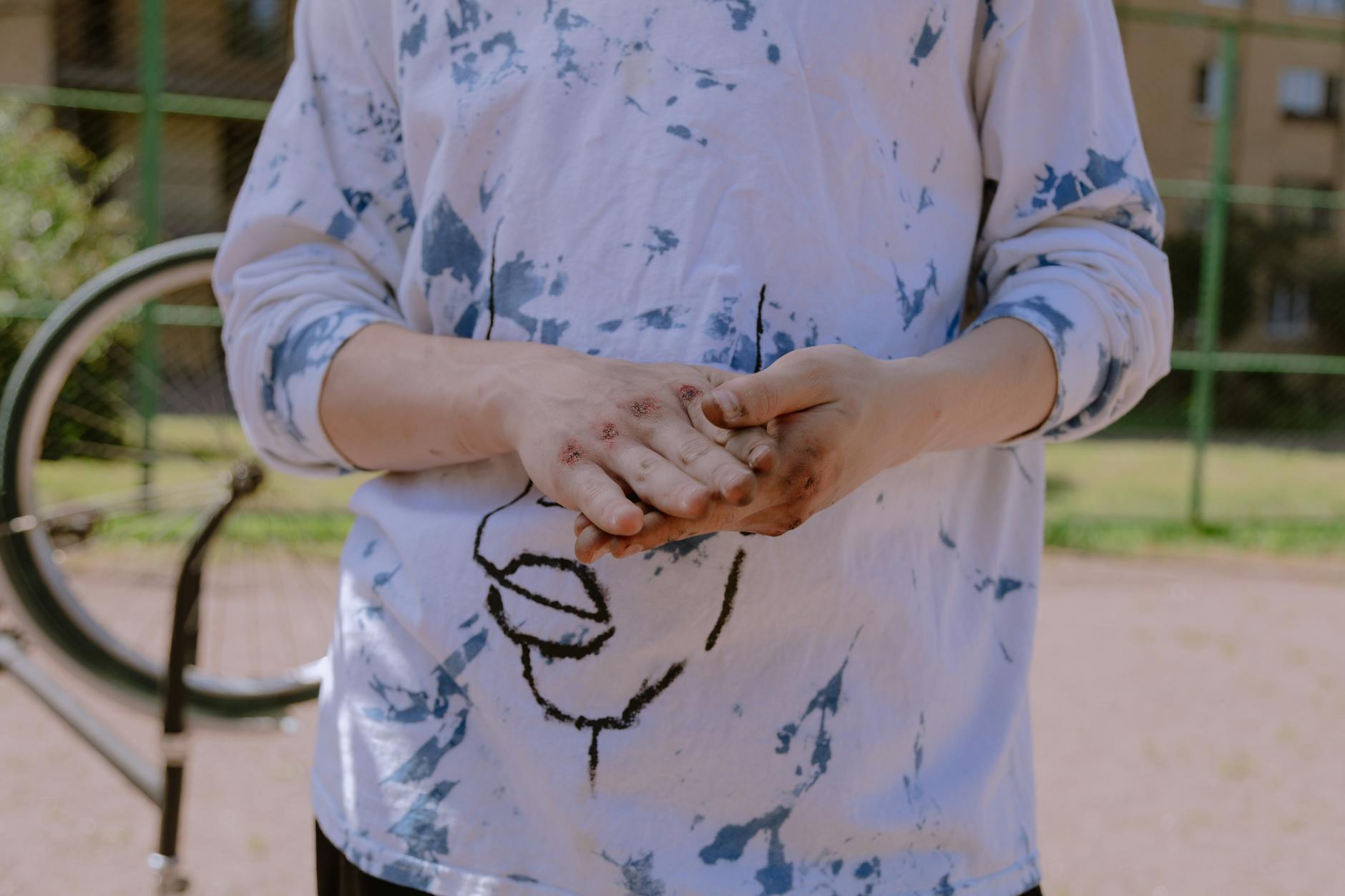
Winter cycling introduces hazards that summer riding doesn’t. Ice, wind chill, reduced visibility from shorter days, and mechanical failures in cold temperatures all create injury risk. The commuter’s separated shoulder was painful and setback, but minor crashes are more common. Roughly 30 percent of winter cyclists report at least one crash per season, compared to 5-8 percent for summer riders. Studded tires reduce crash risk by 50-70 percent, which is why they’re considered essential rather than optional in Minnesota winters. Frostbite is real and underestimated. Exposed skin in minus-twenty-degree weather with wind chill can experience frostbite in under 10 minutes. The commuter learned to cover every inch of skin—goggles over eyes, a balaclava covering her face and neck, and keeping her ears fully protected.
She also uses a simple monitoring system: if any body part feels numb rather than cold, that’s the warning sign to retreat indoors and warm up gradually. Rapid rewarming of frostbitten tissue causes serious damage, so the recovery process matters as much as prevention. One warning that often gets minimized: winter cycling creates temporary immune suppression in the hours immediately after the ride, during the recovery period. This is called the open window hypothesis, though it’s debated in sports science. The idea is that intense exercise temporarily suppresses immune function for 2-4 hours post-exercise, creating a window where viral or bacterial infection is more likely to take hold. For casual commuting at moderate intensity, this effect is minimal, but it’s worth understanding. The commuter avoids hanging out in crowded indoor spaces immediately after arriving at work; she showers, changes clothes, and eats before engaging with colleagues. This is probably overcautious, but it worked for her.
Real Winter Cyclists and Long-Term Success Stories
The Minneapolis commuter isn’t alone. Across Scandinavian countries, winter cycling is normal—Copenhagen and Stockholm have year-round cycling rates above 30 percent despite winter conditions similar to Minnesota. These cities haven’t mysteriously solved the problem of cold weather; they’ve normalized it culturally and invested in infrastructure. Dedicated winter bike lanes, salted paths, and widespread acceptance of studded tires mean that winter cycling isn’t seen as unusual. The health outcomes are measurable: Scandinavian countries consistently rank in the top 10 for life expectancy and lowest rates of seasonal illness, and winter cycling is a contributing factor.
One specific example: a Finnish study tracked 5,000 commuters over five years and found that those who cycled year-round took 25 percent fewer sick days than seasonal cyclists or non-cyclists. Interestingly, the year-round cyclists had exactly the same number of colds and flus as other groups, but they recovered significantly faster. Their illness lasted 1-2 days instead of 3-5 days. This suggests that winter cycling doesn’t prevent infection entirely, but it builds a body that recovers efficiently. The psychological benefit of maintaining routine during winter—not disrupting your schedule, not surrendering to seasonal hibernation—might be as important as the purely physiological gains.
Building a Sustainable Winter Cycling Practice
The key to the Minneapolis commuter’s success wasn’t willpower; it was making winter biking a sustainable identity rather than a temporary challenge. By her third winter, it wasn’t something she was “toughing through”—it was simply how she got to work. This shift in mindset is crucial. Research on habit formation shows that activities become psychologically effortless after 90-120 days of consistent repetition. The first winter was difficult because she was still deciding every morning whether to bike.
By the second winter, the decision was already made, which eliminated the mental friction that causes people to quit. Looking forward, winter cycling infrastructure in North America is improving. Cities like Minneapolis, Montreal, and Minneapolis are investing in dedicated winter cycling lanes with heated surfaces and regular maintenance. As infrastructure improves, the barrier to entry decreases, and more people will discover what the commuter found: that winter doesn’t mean giving up your bike. The physiological reality is that a human body is remarkably adaptable, and the stress of winter biking—the cold, the wind, the challenging terrain—triggers profound strengthening of both the immune system and the mind. What seems impossible in October becomes ordinary by February.
Conclusion
The story of the Minneapolis commuter who dropped her annual sick days from 12 to 3 through winter biking illustrates a simple but often-forgotten truth: the human body thrives on challenge and adaptation, not comfort. Winter cycling isn’t a miracle cure, and it carries real risks including falls and frostbite. But for those willing to invest in proper gear, start gradually, and maintain the habit through the darkest months, the physiological returns are substantial. The immune system strengthens, recovery time from actual illness improves, mental health stabilizes, and the overall resilience of the body increases.
If you’re considering winter biking, start small: try one or two days per week for a single winter, with proper studded tires, windproof clothing, and realistic expectations. Don’t compare your beginning to someone else’s year-three experience. Pay attention to frostbite warning signs, prioritize crash prevention over speed, and be honest about whether the time and effort investment fits your life. For the people who stick with it, winter biking stops being something you endure and becomes something you simply do—with the side effect of rarely missing work due to illness.
Frequently Asked Questions
Will I definitely get sick less if I start winter biking?
No. Winter biking strengthens immune function in people who do it consistently, but results vary based on genetics, baseline fitness level, and how strictly you follow safety practices. The Minneapolis commuter got sick less, but others might see smaller improvements. Consistency matters more than intensity.
What temperature is too cold to bike safely?
Most winter cyclists operate down to minus-fifteen degrees Fahrenheit with proper gear. Below that, frostbite risk becomes serious and mechanical failures increase. Above minus-twenty, few people choose to ride. Actual safe temperature depends on wind chill, duration of exposure, and your specific adaptation level.
Is a fat bike necessary for winter cycling?
No, but studded tires are essential if you encounter ice. A gravel bike with studded tires works well. A road bike is generally not suitable for winter conditions because the narrow tires provide poor traction and studded road tires are less available and more expensive.
How much does winter cycling gear cost?
A used winter bike can be found for $400-800. New winter-specific bikes start around $1,200. Cold-weather clothing (base layer, jacket, gloves, socks, balaclava, goggles) typically costs $200-400. Studded tires add $150-200. It’s a real investment, but it lasts multiple years and still costs less than car ownership.
Can I transition gradually—biking in fall and spring but taking winter off?
Yes, but you’ll lose some immune benefits. The adaptation takes 4-6 weeks to build and 3-4 weeks to lose. Seasonal cyclists still see health improvements compared to non-cyclists, just not to the level of year-round riders.
What’s the biggest mistake beginners make with winter biking?
Overdressing, which leads to sweating and then freezing. The second biggest mistake is trying too hard on the first day—you’ll be miserable and might quit. Start at an easy pace and enjoy the ride rather than pushing for speed.


