A pair of quality cycling shorts made the difference between a successful 3,000-mile cross-country tour and a journey cut short by saddle sores so severe they required medical attention. After spending $200 on premium padded cycling shorts with a high-quality chamois, one cyclist credits this single piece of equipment with allowing him to complete a grueling month-long tour that would have been impossible in the budget alternatives he’d used before. The shorts prevented the chafing, pressure points, and skin breakdown that typically derail long-distance cyclists, allowing him to ride through pain-free and cover the mileage his tour demanded.
The investment paid for itself in comfort alone, but more importantly, it prevented the kind of physical damage that could have cost him far more in medical bills and lost time. Without proper padding and support, the repetitive friction of cycling for six to eight hours daily creates conditions where even experienced riders develop debilitating sores within days. His decision to upgrade from cheap alternatives directly enabled the completion of a ride that tested every aspect of his physical endurance.
Table of Contents
- Why Do Cycling Shorts Matter So Much on Long-Distance Tours?
- The Chamois Technology That Separates Premium Shorts From Budget Options
- Real-World Consequences of Inadequate Padding on Extended Tours
- Finding the Right Shorts for Your Body and Riding Style
- The Hygiene and Maintenance Aspect That Many Cyclists Overlook
- Weight, Aero, and Other Considerations for Tour Cycling
- Long-Distance Touring and Equipment Philosophy
- Conclusion
- Frequently Asked Questions
Why Do Cycling Shorts Matter So Much on Long-Distance Tours?
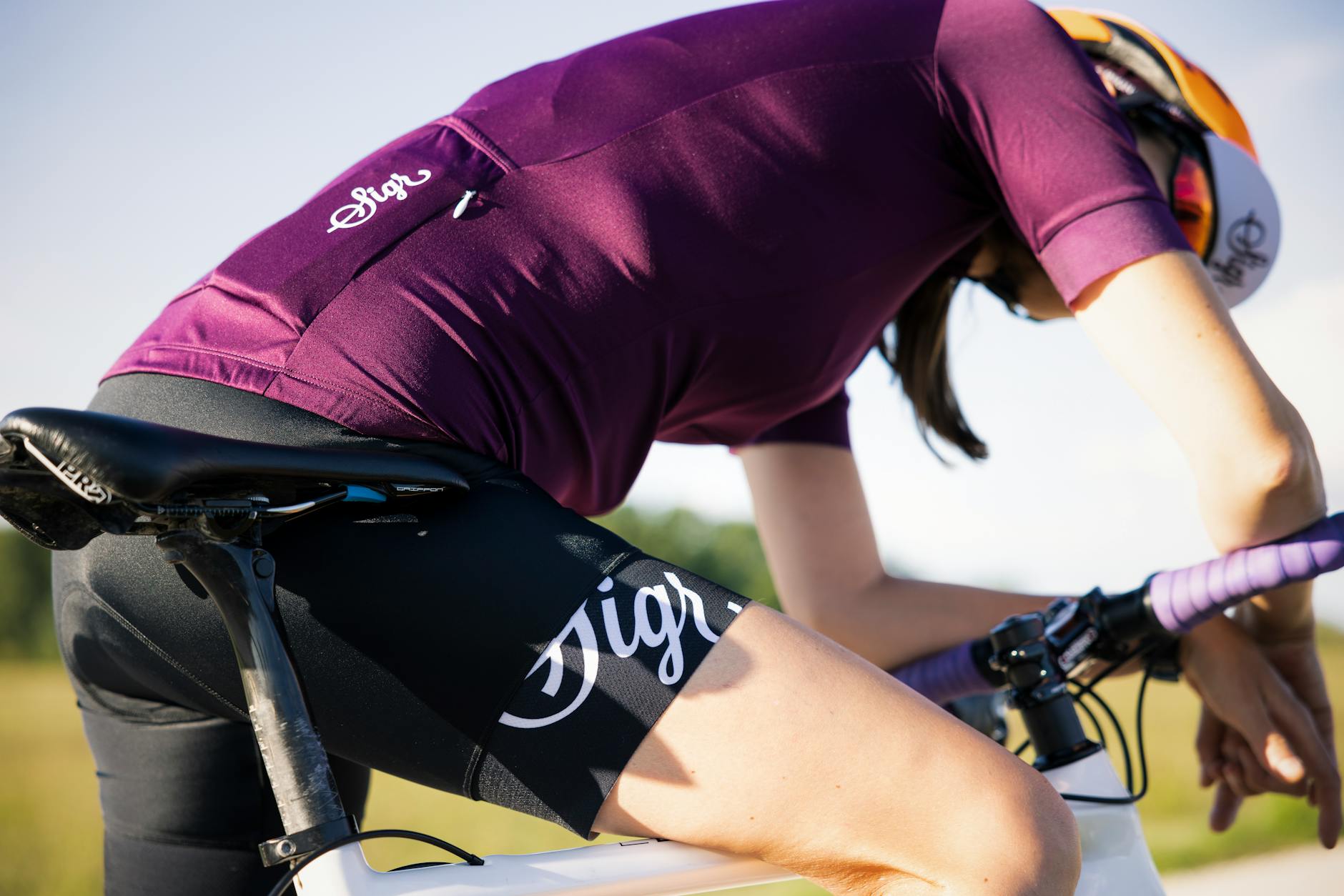
cycling shorts aren’t a luxury item for long-distance touring—they’re a foundational piece of infrastructure that determines whether your body can tolerate sustained saddle time. The human pelvis isn’t designed for hours of pressure against a narrow saddle, and without proper padding and moisture management, skin breakdown begins within 48 hours of consistent riding. A quality chamois—the padded liner in cycling shorts—redistributes pressure across a larger surface area, reduces friction against the saddle, and wicks moisture away from sensitive areas where bacteria thrive. On a 3,000-mile tour, you’re looking at hundreds of hours in the saddle.
The cumulative effect of even minor friction is catastrophic. Consider the difference: a rider in basic shorts might develop mild chafing by day three, noticeable soreness by day five, and open sores by day seven. The same rider in premium shorts can go weeks without significant discomfort, assuming proper hygiene and the occasional rest day. The $200 investment versus a $40 pair of shorts breaks down to roughly half a cent per mile—a bargain for uninterrupted riding.
The Chamois Technology That Separates Premium Shorts From Budget Options
The quality of the chamois pad is where expensive and cheap shorts diverge most dramatically. Premium chamois use multi-density foam engineered to absorb impact while maintaining breathability, with strategically placed gel inserts that target pressure points. Budget shorts typically use thin, single-layer padding that compresses after a few hours, offering diminishing protection as the ride goes on. After eight hours in the saddle, that compressed padding has essentially disappeared, leaving you riding on thin fabric against the saddle. The materials matter too.
Higher-end shorts use seamless or flatlock construction to eliminate chafing, while cheaper alternatives feature traditional stitched seams that create pressure lines and friction zones. On a three-week tour, those seams become raw, painful reminders that you skimped on equipment. Additionally, premium shorts incorporate moisture-wicking fabrics that prevent the swampy, bacteria-prone conditions that lead to saddle sores. Budget shorts often trap moisture against your skin, creating the exact environment where infections develop. The limitation here is that even expensive shorts require discipline—you need to change out of them immediately after riding, wash regularly, and apply appropriate creams. No shorts prevent saddle sores if you’re riding seven days in a row without hygiene breaks.
Real-World Consequences of Inadequate Padding on Extended Tours
Saddle sores start innocuously: a slight tenderness, a red spot that appears after a few hours of riding. By day four or five, that tenderness becomes pain sharp enough to affect your pedal stroke. By day ten, you’re experiencing constant discomfort even when off the bike, struggling to sleep because your lower back and pelvis hurt. By day fourteen, you have open sores that risk infection—the point where many long-distance cyclists are forced to stop entirely. Antibiotics, topical treatments, and medical bills follow.
Some riders experience folliculitis or cysts that require professional drainage and can take weeks to heal. The cyclist in question faced exactly this path until he upgraded his shorts. In his first attempt at a long-distance tour using $40 shorts, he quit after 1,200 miles with painful saddle sores that took three weeks to fully heal. The second attempt, with premium shorts, saw him complete the full 3,000 miles with only minor discomfort in the final week—easily managed with increased rest days and proper hygiene. The difference wasn’t mental toughness or training. It was materials science.

Finding the Right Shorts for Your Body and Riding Style
Not all expensive shorts are equal, and buying the priciest option in the shop doesn’t guarantee comfort. Proper fit is critical—shorts that are too loose won’t provide support, while those that are too tight restrict blood flow and create pressure points. You need to try on multiple brands because chamois placement, leg length, and waist sizing vary significantly. Some riders prefer a high-coverage waistband that extends to the ribs, while others find that restrictive and prefer shorts that sit lower on the hips. Your riding position matters too.
Road cyclists in aggressive drop-bar positions need different padding support than upright touring cyclists or mountain bikers. Touring-specific shorts typically feature more coverage, slightly looser fits, and padding distributed for more upright positions. Road-racing shorts, optimized for aerodynamic drops, place padding differently and feel completely wrong when riding upright. Comparable brands like Assos, Rapha, Pearl Izumi, and Castelli all offer quality options in the $150–$250 range. The tradeoff is that premium shorts wear out—quality lasts 500 to 1,000 miles of riding before padding starts compressing noticeably. With heavy use, you’re replacing shorts every one to two seasons, making the per-mile cost add up.
The Hygiene and Maintenance Aspect That Many Cyclists Overlook
Expensive shorts fail prematurely if you mistreat them. Wearing the same shorts two days in a row without washing creates conditions where bacteria multiply aggressively, actually increasing the risk of saddle sores despite premium padding. You need to change into clean shorts immediately after riding, preferably shower, and allow shorts to fully dry before wearing them again. This means owning multiple pairs—the cyclist who completed the 3,000-mile tour had four pairs, rotating them daily. Chamois cream is non-negotiable on tours. Even the best shorts need a lubricating barrier between skin and padding.
Without it, friction still builds despite excellent padding. Cheap chamois cream is grainy and provides minimal protection; quality products like Assos Chamois Cream or similar formulations provide eight to ten hours of uninterrupted glide. The warning: many riders skip this step thinking good shorts eliminate the need for cream. They don’t. The shorts provide padding; the cream prevents friction. Both are essential. On a 3,000-mile tour, you’ll go through multiple tubes of cream—another $50 to $75 in supplies that are as essential as the shorts themselves.
Weight, Aero, and Other Considerations for Tour Cycling
For long-distance touring, weight and aerodynamics matter far less than comfort and durability, but they’re not irrelevant. Premium cycling shorts add 150–200 grams per pair, while ultralight touring-specific shorts trim that to 120–150 grams. Over a month-long tour where every ounce counts, that difference adds up. Aero shorts designed for racing are pointless on a tour where average speeds are 12–15 mph—aerodynamic gains are negligible at those speeds.
Instead, look for touring shorts with reinforced seams, robust fabric that resists tearing against rough saddles or equipment, and pockets for carrying small items. Some touring-specific shorts include back pockets for maps or phones, a feature you won’t find on competitive models. The aesthetic difference between premium brands and budget alternatives is minimal to most cyclists, but the psychological benefit of wearing name-brand equipment shouldn’t be dismissed. Knowing you invested in quality gear creates a mental framework where you’re more likely to maintain it properly, apply chamois cream consistently, and take rest days seriously. It sounds trivial, but the cyclist credited much of his success to the confidence that his equipment was supporting him properly, which made him patient with his body’s needs.
Long-Distance Touring and Equipment Philosophy
The broader lesson from this cyclist’s experience extends beyond shorts. Long-distance touring is punishing, and the best strategy is to eliminate as many potential pain points as possible through equipment investment. You can’t control weather, mechanical failures, or hills, but you can control whether your body experiences unnecessary suffering. On a 3,000-mile journey, a week of suffering from inadequate shorts isn’t character-building—it’s a sign that you underinvested in gear. The future of cycling shorts lies in increasingly sophisticated materials that combine traditional chamois with gel inserts, antimicrobial fabrics that reduce bacterial growth, and customizable padding profiles.
Some companies are experimenting with 3D-knitted fabrics that adapt to body heat and pressure dynamically. However, these innovations are incremental improvements over already-solved problems. The fundamentals haven’t changed: your body needs padding, moisture management, and friction reduction. The cyclist in this story didn’t need cutting-edge technology; he needed what already existed. His investment was in proven solutions that had been refined over decades.
Conclusion
Spending $200 on quality cycling shorts for a 3,000-mile tour is one of the most cost-effective decisions a long-distance cyclist can make. The investment prevents the physical damage that cuts tours short, keeps riders comfortable enough to maintain consistent daily mileage, and eliminates the secondary costs of medical treatment or shortened trips. This isn’t about brand loyalty or gear snobbery—it’s about matching your equipment to the demands of your journey. If you’re planning any ride exceeding a few hundred miles, treat your shorts as a foundational piece of infrastructure, not an optional upgrade.
Test multiple brands, find the fit that works for your body, and commit to proper maintenance. Pair quality shorts with chamois cream and good hygiene practices, and you’ve solved one of the most common reasons long-distance cyclists quit. That’s not a luxury purchase. That’s a practical investment in your ability to finish what you start.
Frequently Asked Questions
How do I know if my shorts are the right size?
Try them on and stand in your riding position. You should feel snug but not restricted in the waist, and the leg length should end just above the knee. The chamois should sit flat against your body without bunching or pulling. Most quality shops will let you ride a test pair before committing to a purchase.
Can I wear regular athletic shorts instead of cycling-specific ones?
You can, but you’ll pay for the savings with discomfort. Athletic shorts lack the chamois padding, seam placement, and moisture management engineered for cycling. Most riders who try this on tours give up within a week.
How often should I wash my cycling shorts?
After every ride, ideally. Wash them with mild soap, avoid fabric softener (it breaks down the chamois), and air-dry completely. Never put them in the dryer; heat damages the padding and elastic.
Are expensive brands always better than cheaper options?
Not always, but consistency and durability strongly correlate with price. A $250 pair of Assos shorts will last longer and provide more consistent comfort than a $50 pair from a generic supplier. However, mid-range options ($100–$150) from reputable brands offer excellent value for most riders.
What’s the lifespan of cycling shorts?
Quality shorts remain comfortable for 500–1,000 miles. After that, padding begins compressing and comfort decreases noticeably. Most serious cyclists replace shorts every 1–2 seasons depending on usage.
Do I need multiple pairs for a long tour?
Absolutely. You need at least two pairs so you can wash while riding, preferably three or four. Wearing the same shorts multiple days in a row significantly increases infection risk and saddle sore development.
You Might Also Like
- The Urban Cycling Death Rate Crisis Explained in One Statistic: 857 Cyclists Killed in 2025
- The Kids’ Bike Safety Crisis Explained in One Statistic: 73% of Child Cycling Deaths Involve No Helmet
- The Cycling Infrastructure Crisis Explained in One Statistic That Will Shock You: Only 3% of US Roads Have Protected Bike Lanes


