The claim that a $50 bike light makes you 300% more visible at night doesn’t hold up under scrutiny. Research shows that visibility improvements from bike lights range from 19% to 57%, depending on the lighting technology and how you measure the improvement. While these numbers are real and meaningful for safety, they’re significantly lower than the marketing claim suggests. This matters because cyclists deserve accurate information about which safety investments actually work and which claims oversell the benefits.
What the data does show is encouraging: lights work. A Danish study of 4,000 cyclists found that front and rear lights reduced crash-causing injuries by 19%, with even better results over time. But to understand what a light actually does for you, we need to look at what researchers have actually measured rather than accept promotional language at face value. The difference between a 19% improvement and a 300% one is the difference between meaningful safety gains and unrealistic expectations.
Table of Contents
- What Does the Research Actually Say About Bike Light Visibility?
- The 300% Visibility Claim vs. What We Can Actually Measure
- How Different Lighting Technologies Compare
- Choosing the Right Light for Real-World Safety
- Common Misconceptions About Bike Light Brightness and Visibility
- The Role of Rider Behavior and Lighting Placement
- What the Data Really Tells Us About Bike Light Safety
- Conclusion
What Does the Research Actually Say About Bike Light Visibility?
The most rigorous data comes from crash studies, which are the ultimate measure of whether lights work. Researchers in Denmark followed 4,000 cyclists and tracked injuries and crashes. Those using front and rear daytime running lights saw a 19% reduction in crashes causing injury—a real, meaningful improvement. The same study found that after one year of consistent light use, the reduction jumped to 33% fewer crashes, suggesting that regular use and visibility maintenance matter. These aren’t trivial numbers: if you ride in an area with moderate traffic, a 33% reduction in your crash risk is significant.
The challenge with visibility studies is that “visibility” can mean different things. You can measure how far away a driver can see the light, how quickly they notice it, or how likely they are to avoid hitting the cyclist. A Swedish visibility standard requires that lights be visible from 300 meters in darkness—a distance comparable to two football fields. When researchers tested various bike lights against this standard, they found that even modest $30-50 lights met the 300-meter threshold. This suggests that once you have a decent light, the jump from a budget model to an expensive one may not improve the fundamental measure of visibility that matters most.

The 300% Visibility Claim vs. What We Can Actually Measure
Where does the 300% figure come from? It’s likely a misrepresentation of studies that compare no light to any light, or an exaggeration based on laboratory measurements of reflectivity rather than real-world crash prevention. When researchers look at the highest-performing lighting setup they’ve tested—bio-motion lighting with motion-activated highlights that draw attention to your pedaling—they found a 57% improvement in visibility compared to standard static lights. Even this best-case scenario is less than one-fifth the claimed 300% improvement. The key limitation is that these laboratory and simulation studies measure how noticeable a light appears to a driver under controlled conditions.
Real-world crash data tells a different story. A cyclist’s visibility depends on road conditions, weather, time of night, driver attention, and dozens of other factors that can’t be replicated in a test. This is why the 19-33% improvement from actual crash data is more trustworthy than any laboratory measurement claiming visibility increases. Marketing claims often cherry-pick the most impressive lab number rather than acknowledging what actually prevents crashes.
How Different Lighting Technologies Compare
Not all bike lights perform equally. A study from Clemson University comparing static lights to dynamic bio-motion lighting found that motion-activated highlights improved visibility by 57%. This makes intuitive sense: your pedals create motion, and our brains are wired to notice movement. A driver might miss a steady red light, but your rotating pedals with highlights catch their attention. However, this 57% advantage only applies if you’re comparing the best motion-activated system to a basic static light.
Comparing a moderately good static light to a excellent static light shows much smaller differences. Fluorescent clothing tells a related story. Cyclists who wore fluorescent jackets reported 53% fewer crashes than those without, according to research on high-visibility items. This is actually higher than the lighting improvement rates, which suggests that getting yourself noticed before a driver gets close enough for your light to matter is valuable. The practical implication: a bright light combined with reflective or fluorescent clothing outperforms either one alone. You’re not choosing between a light and visibility gear—you’re combining them.
Choosing the Right Light for Real-World Safety
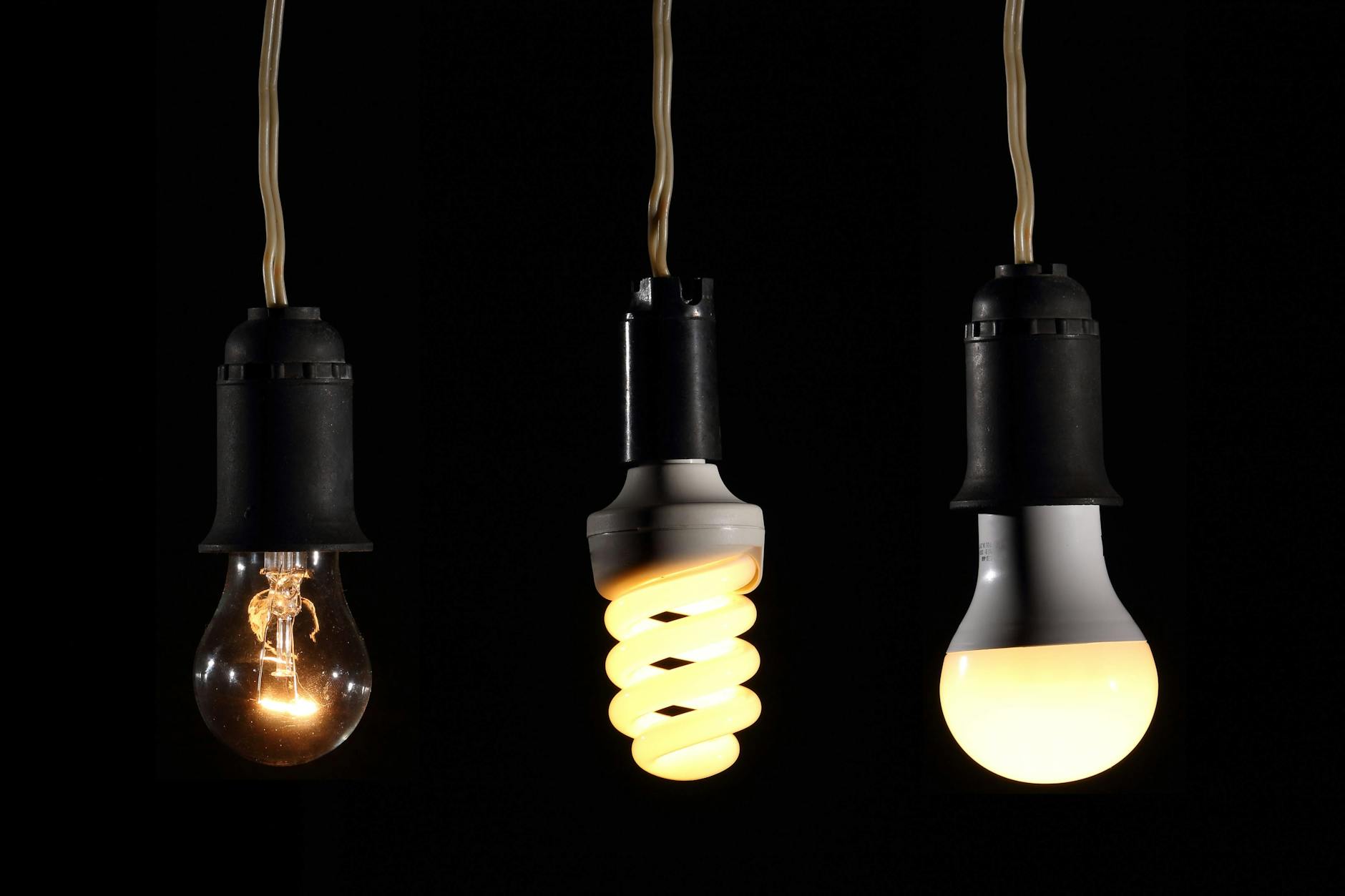
If the 300% claim is exaggerated, how do you choose a light that actually works? The answer starts with understanding that adequacy matters more than premium pricing. Since Swedish standards testing showed that all tested lights, including budget models, met the 300-meter visibility threshold, you don’t need to spend $200 on a light to be visible from a safe distance. A $40-60 light with decent brightness (measured in lumens) and a consistent beam pattern will handle most riding situations. The real differences come down to practical features: battery life, weather resistance, and mounting stability.
A light that’s too dim to be useful, or that dies during your commute, provides zero visibility. A light that vibrates loose and points at the ground is no better. These practical reliability factors probably matter more to your safety than jumping from 500 lumens to 800 lumens. For front lights, aim for at least 200 lumens for urban riding and 500+ lumens for unlit roads. Rear lights need less brightness but benefit from being visible from wide angles.
Common Misconceptions About Bike Light Brightness and Visibility
One persistent myth is that brighter is always better. Extremely bright lights can actually create problems: they can blind oncoming cyclists and drivers, they drain batteries faster, and they’re often heavier. More importantly, brightness is just one component of visibility. A light that’s well-positioned, consistently visible, and reliable will prevent more crashes than a light that’s brighter but mounted wrong or fails partway through the week. The 33% improvement from the Danish study came from people using lights regularly, not from using the brightest available light.
Another misconception is that a light alone solves visibility. The 19-33% crash reduction from lights is substantial, but it means two-thirds of crashes still happen even with lights. This points to the limits of any single safety intervention: driver attention, road conditions, your own riding position, and your clothing all matter. A driver distracted by their phone might not see your light, no matter how bright it is. This is why layers of visibility—light, reflective gear, bright clothing, and your own positioning—work better together than any single approach.
The Role of Rider Behavior and Lighting Placement
Where you mount your light affects how visible you are. A rear light mounted low on the seatpost is less visible than one at waist height or above, where it clears car mirrors and catches driver eye-level. A front light pointed too low illuminates the ground rather than making you visible to approaching traffic. These placement details are free—they don’t depend on how much you spend on the light itself.
A $50 light mounted correctly outperforms a $150 light mounted carelessly. Rider behavior changes visibility too. A cyclist riding predictably, signaling turns, and maintaining a steady lane position is easier to spot and avoid than one who darts unpredictably between lanes. The data on lights assumes the rider is visible; it doesn’t account for the rider making themselves invisible through behavior. This is why the improvements from lights plateau at 33%: beyond visibility, crash prevention depends on driver expectations and rider behavior.
What the Data Really Tells Us About Bike Light Safety
Looking at the complete picture of visibility research, the pattern is clear: lights work, but not spectacularly. They reduce crashes by about one-third, which is meaningful. But they’re not a substitute for other safety strategies. The combination of adequate lights, reflective gear, predictable riding, and good positioning gets you to better safety outcomes than any single intervention alone.
The 300% claim inflates expectations and deflates them when reality doesn’t match. The future of bike light technology may improve on this. Brighter LEDs, adaptive systems that adjust brightness based on road conditions, and connected lights that communicate with vehicles are all being developed. For now, the practical guidance is straightforward: buy a reliable light in the $40-80 range, mount it correctly, use it consistently, pair it with reflective gear, and focus on riding predictably. That’s the data-driven approach to nighttime visibility.
Conclusion
The $50 bike light doesn’t make you 300% more visible—the research shows improvements in the 19% to 57% range depending on how you measure. But “only” 33% fewer crashes is still a meaningful improvement that could prevent the collision that changes your life. The key insight from the data is that adequacy matters more than premium pricing: a properly-mounted, reasonably-bright light from any reputable manufacturer works nearly as well as an expensive one, as long as it’s maintained and used consistently.
The real takeaway is to stop chasing the magic number and focus on combining the proven strategies together: a reliable light, reflective gear, good positioning on the road, and riding with predictability. These work in concert, and the combination is what actually keeps cyclists safer at night. Don’t overlook the light—it works. Just don’t expect it to be the only thing that matters.


