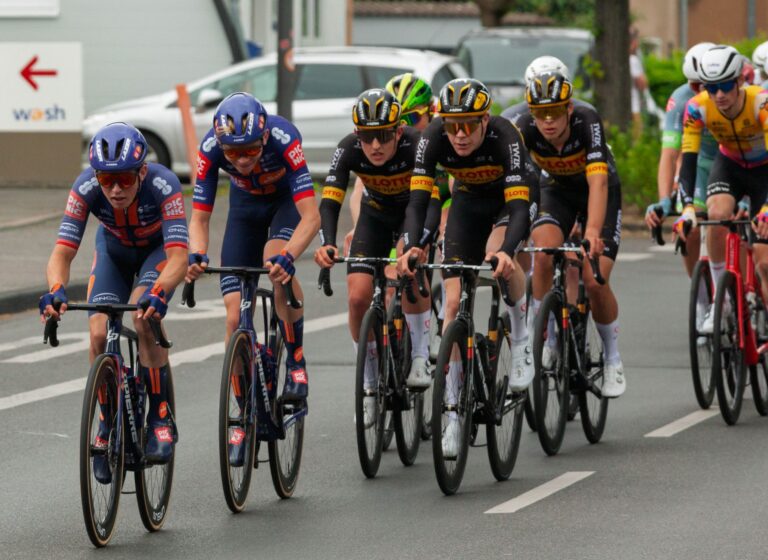
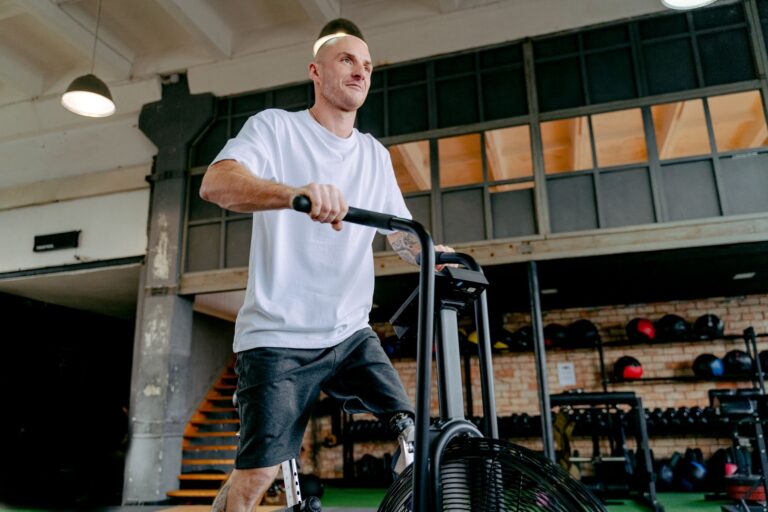
Thirty minutes a day is enough to hold fitness and build speed if every ride has a clear job. The best use of that time is intervals, which are short bursts of harder pedaling separated by easy spinning.
A simple template works for most riders. Warm up, ride one focused main set, then spin easy to finish. You can repeat that pattern three to five days a week.
Table of Contents
- How should you split the 30 minutes?
- Which three workouts cover most needs?
- How hard is hard enough?
- How often should you ride and rest?
- How do you fit these rides into real life?
How should you split the 30 minutes?
Spend the first five to eight minutes spinning easy and building cadence. Add two or three 30-second pushes to wake up your legs. You should finish warm yet fresh, not tired. Give the middle 15 to 20 minutes to one main task.
That task might be repeated hard efforts, one steady hard block, or fast leg-speed work. Keep the goal narrow so you can judge the ride. Use the last three to five minutes for easy pedaling. Shift to a light gear and let your breathing settle. Stop with time to stretch, drink water, and lock up the bike.
Which three workouts cover most needs?
You do not need a new plan each day. Rotate three simple sessions across the week. Each one trains a different skill: top-end effort, sustained pressure, and smooth pedaling.
Pick one workout per day and write the target efforts before you start. If you fade badly before the last repeat, ease the next effort slightly. Finishing strong teaches pacing better than blowing up early.
- Hard repeats: after warming up, ride 30 to 60 seconds hard, spin easy for twice as long, and repeat six to eight times.
- Steady push: ride 10 to 15 minutes at a firm pace you could barely hold for the whole block, rest five minutes easy, then repeat once.
- Hills or big-gear starts: find a short rise or use a harder gear, push 45 to 90 seconds with strong legs, then spin easy for three minutes and repeat four to six times.
How hard is hard enough?
Use breath and speech as your gauge. Easy means you can talk in full sentences. Hard means short phrases only. Very hard means you want to stop and need the recovery. Keep easy parts truly easy.
Many riders push the recoveries and then miss the next hard effort. Soft-pedal, relax your shoulders, and let your heart rate fall. Judge the session by the last two efforts. They should feel demanding but controlled, with good form. If your knees hurt, your chest feels tight, or you feel dizzy, stop the hard work and spin home.
How often should you ride and rest?
Three focused rides a week can maintain fitness for many busy riders. Four or five short rides can build speed if you vary the stress. Alternate a harder day with an easier spin or a day off. Place the hardest workout after a rest day.
Follow it with the lightest ride of the week. Keep at least one full rest day, especially when sleep is short or work stress is high. Watch for signs that you need more recovery. Flat legs for several rides, poor sleep, irritability, or a rising resting pulse all point to overload. Take an extra easy day, then return with the shorter workout.
How do you fit these rides into real life?
Choose a loop close to home with few stops. A quiet neighborhood circuit, bike path, park loop, or short climb saves minutes lost to traffic lights. Ride the warm-up out and the cool-down back. An indoor trainer also fits 30-minute plans well.
Set out shoes, water, a towel, and a fan before work. A preset workout or simple timer keeps hard and easy blocks honest. Treat safety as part of speed. Use lights, carry a phone and spare tube, and save all-out sprints for clear sightlines. Pick tomorrow's route and workout tonight so you can start pedaling right away.