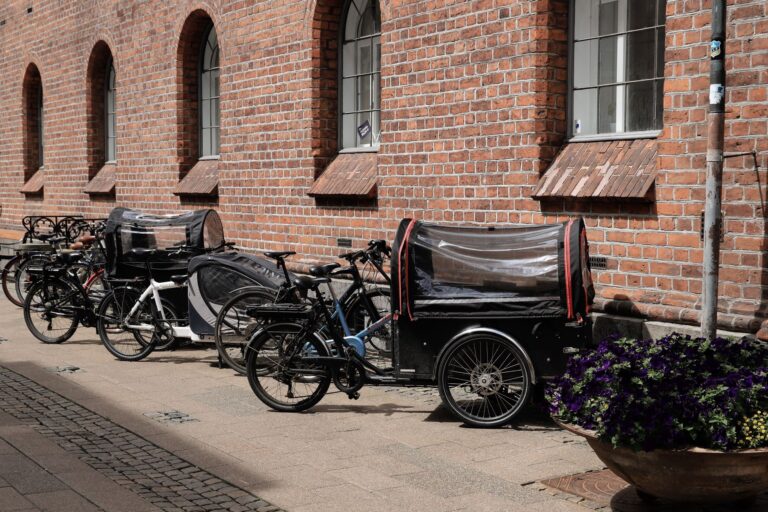
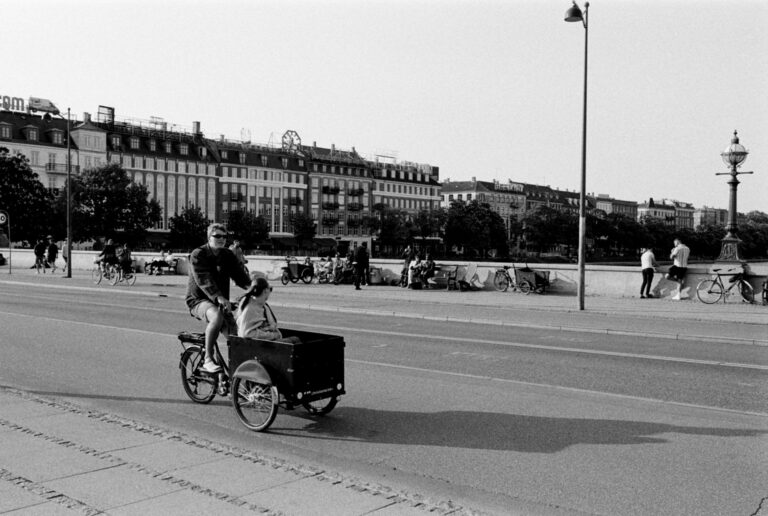
Before you ride with children, confirm age readiness, carrier choice, helmet fit, bike condition, and route. A bicycle-towed trailer, a child carrier pulled behind an adult bike, is the preferred carrier, according to the American Academy of Pediatrics. The Academy says infants younger than 12 months should not ride. Older babies and preschoolers need specific seats, helmets, checks, and calm streets.
Table of Contents
- Is Your Child Ready to Ride?
- Trailer or Rear Seat?
- How Should Helmets Fit?
- What to Check Before Every Ride?
- Where Should You Ride?
Is Your Child Ready to Ride?
The American Academy of Pediatrics says infants younger than 12 months should not ride in a seat or trailer baby bike safety guidance. They are too young to wear a helmet and should not ride in backpacks or frontpacks on a bike.
The Academy says children ages 12 months to 4 years may ride only if they sit well unsupported. They also need neck strength to support a lightweight helmet. An adult cyclist must carry them in a trailer or rear-mounted seat.
Trailer or Rear Seat?
The American Academy of Pediatrics prefers bicycle-towed trailers over front- or rear-mounted seats. A young passenger makes the adult bike unstable and increases braking time. Fewer reported injuries are associated with trailers.
The Academy says a rear-mounted seat must attach securely over the rear wheel. It needs spoke guards, a high back, and a sturdy shoulder harness plus lap belt. The harness and belt must support the child even when asleep.
How Should Helmets Fit?
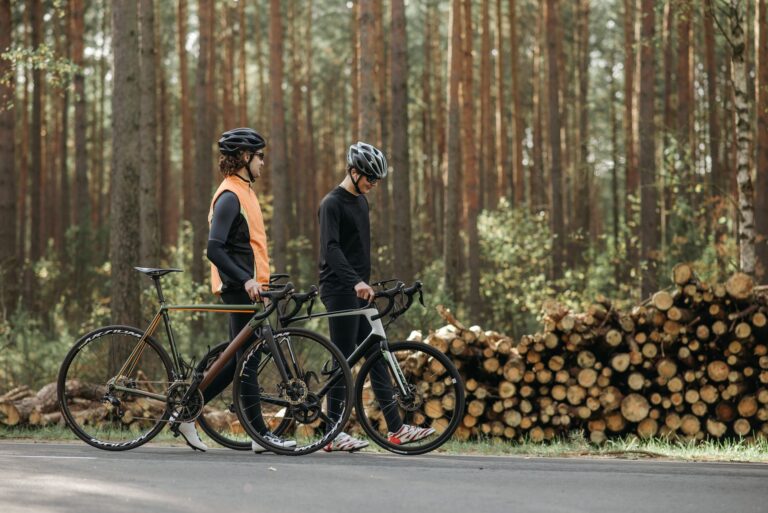
Every rider needs a helmet approved by the CPSC, the federal Consumer Product Safety Commission. The helmet must sit squarely, cover the forehead, and use a snug chin strap. The American Academy of Pediatrics notes evidence shows helmet use decreases head injuries and deaths in bicycle-motor-vehicle crashes choosing the right size bicycle. Safe Kids Worldwide recommends the Eyes-Ears-Mouth fit test for every helmet helmet fit test.
Use these three quick checks before you tighten the strap for the road. The Consumer Product Safety Commission requires extra head coverage for children under 5 and stable chin straps. Look for a permanent label stating compliance for Age 5 and Older or Age 1 and Older Extended Head Coverage. Replace any helmet after a crash impact.
- Eyes: see the lower rim looking up, one to two finger-widths above eyebrows.
- Ears: straps form a V under each ear.
- Mouth: helmet hugs the head when the mouth opens wide.
What to Check Before Every Ride?
The League of American Bicyclists ABC Quick Check covers the bike in minutes. Stanford Transportation shares the April 2021 handout for riders ABC Quick Check handout.
Do this check before every ride, not only on long trips. Fix soft tires, weak brakes, loose chains, or open levers before loading a child.
- A: air-filled firm tires.
- B: working brakes and unworn pads.
- C: secure chain and cranks.
- Quick: closed quick-releases.
- Check: final look-over.
Where Should You Ride?
The American Academy of Pediatrics advises carrying young passengers only in parks, on bike paths, or on quiet streets. Ride at reduced speed with maximum caution.
It also advises avoiding busy thoroughfares and bad weather. Pick parks or paths first to keep speed low and attention on the child.