A smart trainer gives you steadier winter fitness, while outdoor riding keeps handling and road feel sharp. Choose the trainer for short, focused work and go outside for longer rides and skills when roads and light allow.
A smart trainer is an indoor unit that supports your bike and changes resistance automatically. It lets you follow a set workout without stops, traffic, or bad weather. Your choice each week comes down to goal, daylight, road surface, and time.
Table of Contents
- When does the trainer work best?
- What do you keep by riding outside?
- How do you train well indoors?
- How do you ride outside safely in winter?
- How do you mix both through winter?
When does the trainer work best?
The trainer wins when short days and slick roads shrink your options. You can start a focused session after work and finish with little cleanup. Intervals stay unbroken because lights and junctions never cut your effort.
It also suits steady endurance spins and pedaling drills. You control warm-up, effort, and cool-down to the minute. Riders rebuilding fitness can add time in small steps without getting stranded far from home. Save indoor days for these cases:.
- short interval sessions on weekdays
- tempo and threshold work that needs steady pedaling
- icy, windy, or dark days when roads feel unsafe
What do you keep by riding outside?
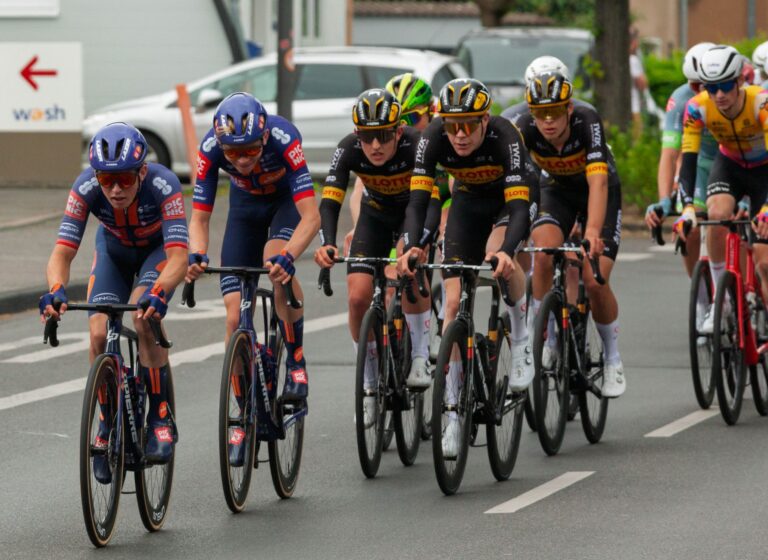
Outdoor riding trains balance, cornering, braking, and gear choice. These skills fade when you only pedal indoors. Wind, grades, and rough pavement also teach pacing in a way fixed resistance cannot. Group rides add drafting, signals, and close-quarters control.
Drafting means riding close behind another rider to save energy. Cold air, low sun, and wet paint test judgment too. Longer weekend rides still matter for comfort on the bike. Saddle pressure, hand numbness, and neck strain show up after two hours outside. You can then adjust position, gloves, and layers before spring.
How do you train well indoors?
Set up cooling, water, and a towel before you start. A fan matters because still indoor air traps heat fast. Wear lighter kit than you would outside and keep the bike stable.
Pick one clear goal per session. Warm up for ten minutes, then do the main set, then spin easy. Examples include short bursts with full recovery, longer threshold blocks at a hard but sustainable pace, and low-cadence strength turns. Keep form honest during hard efforts: Stop if you feel dizzy, chest pain, or sharp joint pain.
- stand for a few pedal strokes each ten minutes
- shift hand position to protect wrists and back
- hold a smooth cadence instead of grinding
How do you ride outside safely in winter?
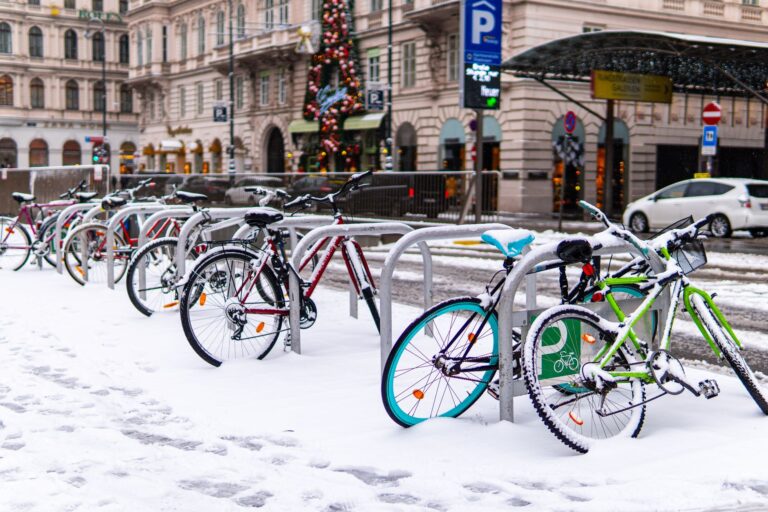
Dress in thin layers you can vent on climbs. A windproof jacket, full gloves, shoe covers, and a warm cap help most. Bring lights even for daytime rides under gray skies. Check the route for ice, standing water, and debris.
Shaded corners and bridges freeze first and thaw last. Lower tire pressure slightly for grip, brake early, and leave extra space behind cars and other riders. Carry a basic kit for flats and cold. A spare tube, pump, lever, phone, snack, and cash fit in a small saddle bag. Shorten the loop when hands go numb or roads turn white.
How do you mix both through winter?
Use a simple weekly pattern you can repeat. Do one or two trainer sessions for structure midweek. Add one longer outdoor ride for endurance and skills when conditions allow. Swap days freely when weather shifts.
Move intervals indoors during a freeze and save endurance for a clear weekend. Keep one easy day truly easy to absorb the hard work. Track what limits each ride. Note cold fingers, sore knees, boredom, or fading power in the last third. Fix the limiter first with better clothing, fit, rest, or fueling.