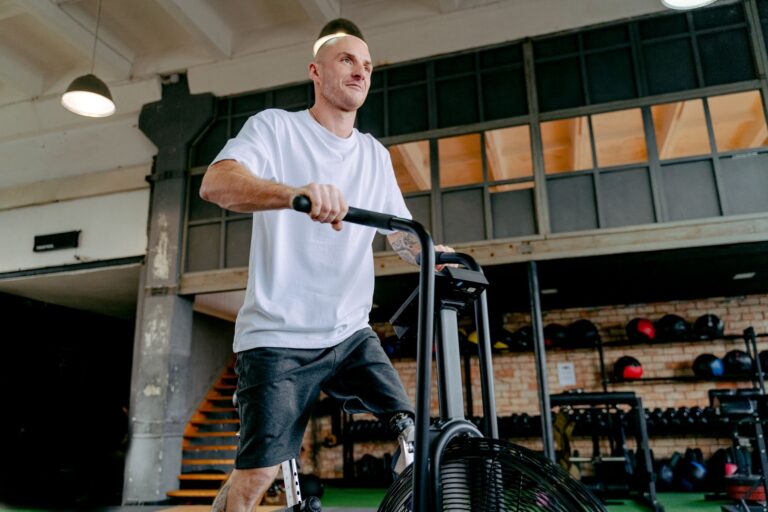
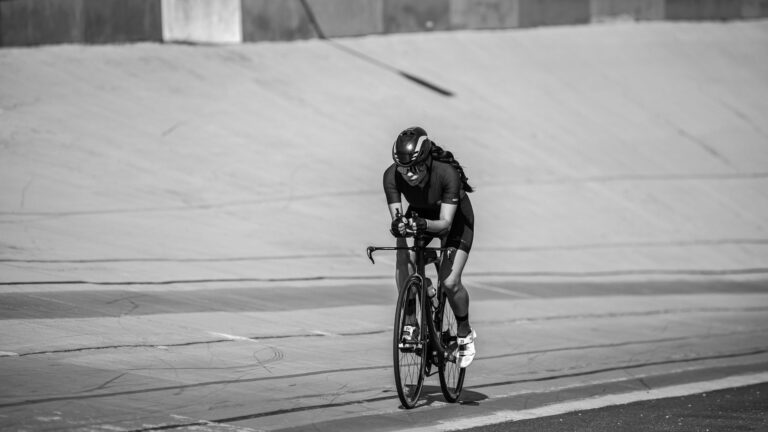
Cyclists can prevent neck pain during long training rides by using a comfortable bike position and moving often. A shorter reach, higher handlebars, relaxed shoulders, and frequent posture changes lower stress on neck muscles and joints.
Long hours hold the head in one angle to watch the road. That steady load tires the small muscles at the back of the neck and upper shoulders. Fit tweaks, posture habits, and planned movement can keep that load manageable.
Table of Contents
- Is Your Reach Too Long and Low?
- How Should You Carry Your Head and Shoulders?
- What Can You Do During a Long Ride?
- What Helps Between Rides and When to Get Care?
Is Your Reach Too Long and Low?
Bike fit is the process of setting saddle position, handlebar position, and controls to match your body. An aggressive fit stretches you low and long for speed. For long training, a slightly higher and shorter front end often feels better and lets you look ahead with less neck bend. Check simple signs on your next ride.
You may reach too far if your elbows lock straight, your shoulders sit near your ears, or you crane your neck to see forward. A bike shop can raise the handlebars, shorten the stem that holds the handlebars, or move the saddle to shorten that reach. Also check vision and head angle. If your helmet tail pushes your head down or your glasses force you to lift your chin, adjust them before changing the bike. You want a clear forward view with your neck long and your jaw slightly tucked.
How Should You Carry Your Head and Shoulders?
Think relaxed and supported, not stiff. Drop your shoulders away from your ears, bend your elbows softly, and keep a light grip. This lets your arms absorb road buzz instead of passing it to your neck. On drop handlebars, the curved bars on road bikes, shift between tops, hoods, and drops to change back and shoulder angles.
On flat bars, move your hands wider or narrower and bend your elbows more on rough roads. Keep your head balanced over your shoulders when you can. Tuck your chin slightly, then lift your eyes rather than lifting your whole face. Avoid locking your gaze up for miles without small breaks.
What Can You Do During a Long Ride?
Plan movement before your neck feels sore. Pain often builds because one posture lasts too long. Short, regular resets work better than pushing through and stretching only at the end.
Take a short stop if stiffness grows. Step off, walk, roll your shoulders, and turn your head gently side to side. Restart with a slightly easier gear and a relaxed grip to avoid tensing again.
- Stand briefly on a gentle rise and roll your shoulders back
- Tip one ear toward one shoulder for a few seconds, then switch sides on a safe straight
- Move your hands to a new spot every few minutes and soften your elbows
- Tuck your chin and look down briefly, then return your eyes to the road when traffic allows
What Helps Between Rides and When to Get Care?
Recovery habits support long training blocks. Sleep, easy days, and time away from a desk or phone help tight neck and shoulder muscles relax. Gentle upper-back mobility and light shoulder strength work can also help riders who sit much of the day. Increase training load in small steps.
A sudden jump in hours, hills, or time in a low position can irritate the neck even if fit stays the same. Keep the same comfortable position for several rides after any bike change before judging it. Stop and seek medical care for numbness, tingling or weakness in arms or hands, shooting pain, dizziness, or pain after a crash. Those signs need prompt checks and a new fit plan before more long rides.