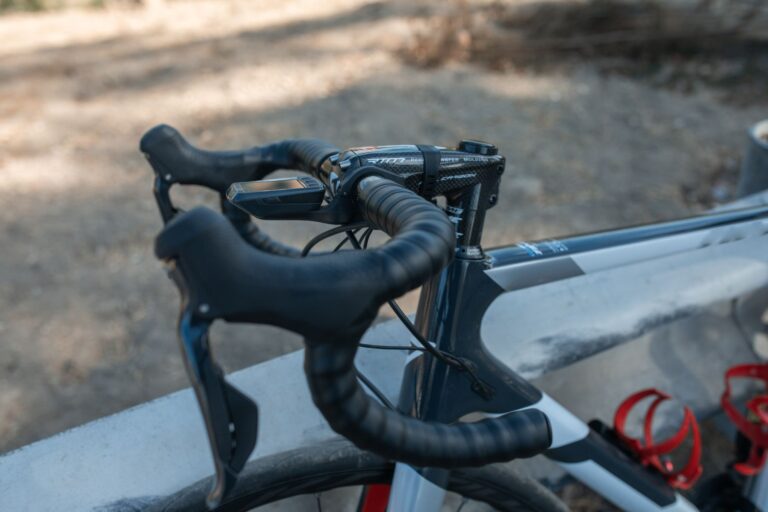
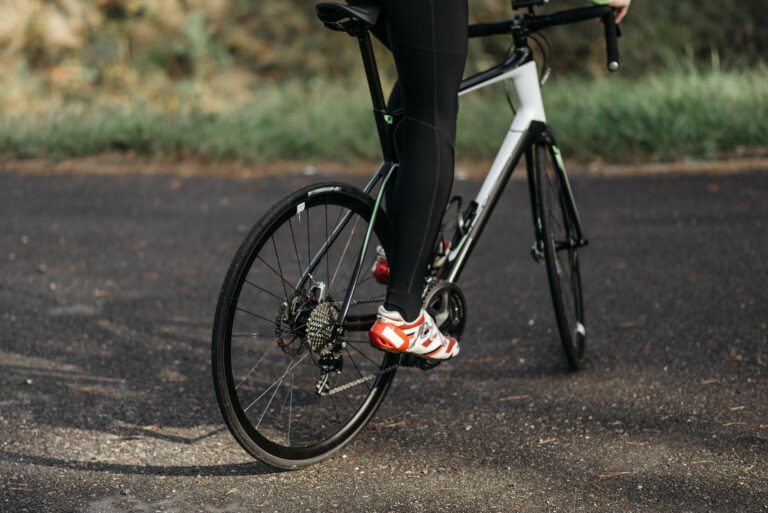
E-bike laws classify how a bike may operate, but they do not determine its frame size. Choose the size by comparing your body measurements with the bike's geometry, then adjust the saddle and handlebar for control and comfort. The key measurement is standover height: the distance from the floor to the top tube, checked against your crotch height. On an e-bike, fit matters even more because the battery and motor can add 20 or more pounds.
Table of Contents
- What E-bike Classes Tell You
- Measure for the Right Frame
- Choosing Between Two Sizes
- Adjust the Saddle and Handlebar
- Step-Through Frames and Safe Mounting
- Frequently Asked Questions
What E-bike Classes Tell You
A U.S. Consumer Product safety Commission definition describes a low-speed e-bike as a two- or three-wheeler with operable pedals, a motor under 750 watts, and a motor-only top speed under 20 mph. That is a product-safety definition, not universal permission to ride everywhere, according to the U.S. Consumer Product Safety Commission.
The common three-class framework describes Class 1 as pedal-assist to 20 mph, Class 2 as throttle-capable to 20 mph, and Class 3 as pedal-assist to 28 mph. The National Park Service also notes that access can vary by route, park, and e-bike class. before buying or riding, check: Inside national parks, state rules may govern licensing, helmets, age, registration, and insurance when NPS rules do not address those issues. The NPS determines where e-bikes may operate within park areas.
- The bike's class and motor rating
- Local rules for roads, paths, and trails
- Whether the specific route permits that class
- Helmet, age, licensing, registration, or insurance requirements
Measure for the Right Frame
Wear the shoes you will ride in and measure from your crotch to the floor. Compare that number with the bike's standover height, leaving about 2.54–5 centimeters of clearance, as recommended by Cannondale's sizing guidance. Standover clearance matters when you stop suddenly, mount, dismount, or lose balance. It should not force you to stand on tiptoe or press against the top tube.
E-bike weight makes those moments less forgiving. Do not choose a size from overall height alone. Two riders with the same height can have different leg lengths, torso lengths, arm lengths, and flexibility. Use the manufacturer's geometry chart after measuring. Look for standover height, reach, seat-tube length, and the stated rider-height range rather than relying on a generic small, medium, or large label.
Choosing Between Two Sizes
When your measurements fall between sizes, choose based on how you want the bike to handle and how your body reaches the controls. Cannondale advises that longer arms or legs can favor the longer frame, while shorter arms or limited back-and-neck flexibility can favor the smaller, more upright option. A longer frame may provide a stretched, stable position, but it can make the handlebars harder to reach.
A smaller frame may feel easier to control at low speed and simpler to mount, though it can become cramped if the seat must be raised substantially. Use these questions to narrow the choice: If the geometry chart and your body measurements disagree, treat the chart as the more useful guide for that model. Frame shapes vary, so a medium from one brand may not match a medium from another.
- Can you stand over the bike with clear space?
- Can you reach the brake levers without stretching?
- Can you keep a relaxed bend in your elbows?
- Can the saddle reach your needed height without exceeding the seatpost markings?
- Does the riding position match your flexibility and intended terrain?
Adjust the Saddle and Handlebar
Start with the saddle level. Sliding it forward or backward changes handlebar reach, weight distribution, handling, hip rotation, and potentially lower-back stress, according to Trek's bicycle-fitting guidance. Make one adjustment at a time and test the result at low speed in a safe area. The controls should remain easy to operate without reaching, twisting your wrists, or locking your elbows.
A higher handlebar position generally improves comfort and balance. It can also reduce the need to lean forward, but raising it too far may alter the bike's handling or exceed the manufacturer's adjustment limits. Persistent saddle pain or numbness is a warning sign. After checking saddle height, level, and position, seek professional fit help or consider a different saddle.
Step-Through Frames and Safe Mounting
A step-through e-bike removes the top tube as the limiting clearance measurement. That can make mounting and dismounting easier, especially for riders with limited hip mobility or balance. It does not eliminate the need for correct sizing.
The seatpost must provide enough adjustment range without passing its minimum-insertion or maximum-extension markings, as explained in the Cannondale Bicycle Owner's Manual. Practice mounting with the motor system off or at its lowest setting. Keep one brake applied, place the bike securely, and make sure the frame does not feel unstable beneath you. A bike that is technically the right size but difficult to control is not a comfortable fit.
Frequently Asked Questions
Do e-bike laws determine whether I need a small, medium, or large frame?
No. Legal classifications describe motor assistance, speed, and access. Frame size depends on your measurements and the bike's geometry.
Is a step-through e-bike automatically easier to fit?
It can simplify mounting by removing top-tube clearance, but the seatpost must still provide safe adjustment range.
What should I do if I am between two sizes?
Compare reach, standover clearance, flexibility, and riding position. Longer limbs may favor the larger size; shorter reach or limited flexibility may favor the smaller one.