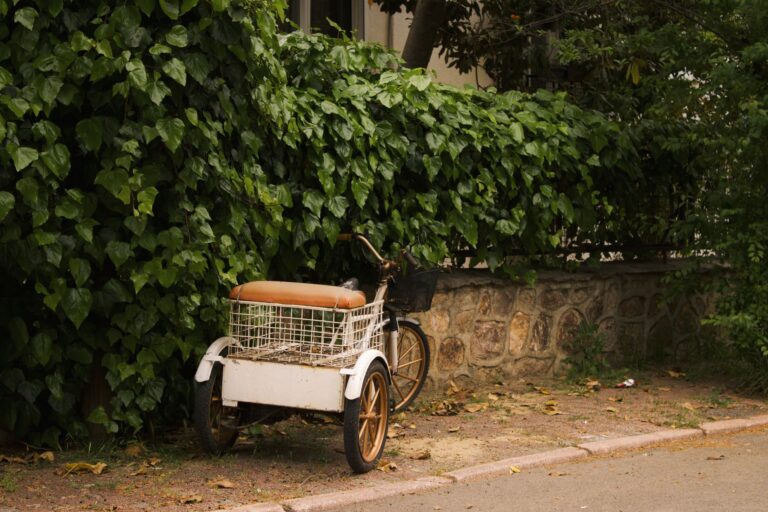
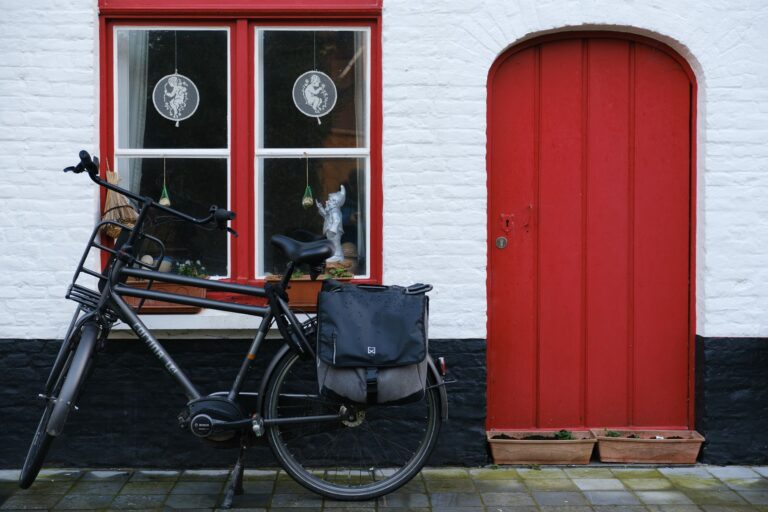
A comfort bike is an upright, cushioned bicycle built for relaxed short rides on pavement. Ownership means setting a high handlebar position, doing quick pre-ride checks, and choosing comfort-focused maintenance and upgrades. The tradeoff is easy stability and posture against extra weight and slower speed.
You can keep ownership simple. Set posture once, repeat two short care routines, then upgrade only parts that reduce bumps and pressure points. Helmet fit and realistic expectations matter as much as parts.
Table of Contents
- How high should your bars and posture feel?
- What should you check before you roll?
- How do you care for tires and chain?
- Which upgrades help most on rough pavement?
- Comfort bike or hybrid: which trade suits you?
How high should your bars and posture feel?
Set handlebars roughly level with the saddle or slightly above it. This creates an upright, relaxed position that reduces strain on the back, neck and wrists. According to the Leoguar Bikes guide, lower bars favor aerodynamics but cost comfort Leoguar handlebar setup guide.
Start with comfort, then adjust in small steps. Raise or tilt bars if your shoulders rise, your hands tingle, or your neck aches. Keep braking and shifting easy to reach from your normal grip.
What should you check before you roll?
Use the League of American Bicyclists and NHTSA ABC Quick Check before rides. The program directs riders to inspect air, brakes and cranks, confirm quick-release closure, then take a short test ride NHTSA ABC Quick Check guide.
Fix problems before leaving. Soft tires, weak brakes, chain skipping and loose wheels turn small issues into falls.
- A: Check air pressure, tire wear and damage.
- B: Squeeze brake levers and check pad contact.
- C: Check cranks, chain, chainrings and quick-releases.
- Ride: Take a brief test ride for rubbing, looseness or poor shifting.
How do you care for tires and chain?
Specialized support advises inflating only within the PSI range printed on the tire sidewall, using a pump with a gauge. Check pressure often because soft tires hurt handling and raise puncture risk, while very hard tires reduce grip and comfort. Look for cuts, bulges, worn tread and embedded glass.
Keep the chain clean and lightly lubricated. Shimano instructs owners to clean chains with neutral detergent, not alkali or acid cleaners, then rinse, dry and lubricate to extend chain, quick-link, gear and chainring life and preserve shifting Shimano chain care manual. Wipe off excess lube so dirt does not form grinding paste.
Which upgrades help most on rough pavement?
The most useful package adds contact-point comfort and vibration control. Trek Verve 2 specifications show the pattern: a wide cushioned saddle such as the Bontrager Boulevard, an alloy adjustable suspension seatpost, ergonomic grips and higher-volume tires. Each part spreads pressure or absorbs small bumps.
Choose in this order for paved neighborhood riding. First fit saddle width and position, then grips that support the palm heel. Next consider larger tires and a suspension seatpost if cracks and joints still jar you.
Comfort bike or hybrid: which trade suits you?
Comfort bikes use heavier frames, wider tires and laid-back geometry for stability and an easy-chair upright feel on short paved rides. Hybrids keep a versatile upright-or-forward position for faster, lighter, mixed-surface pedaling, according to the Wheels in Motion buyer's guide Wheels in Motion comfort and hybrid guide. Pick comfort for short trips, casual fitness and joint-sensitive riders who value low strain.
Pick hybrid if most rides exceed a few miles, include hills or packed gravel, or you want easier speed. For helmets, U.S. riders need a CPSC 16 CFR Part 1203 helmet fitted low, snug without rocking, with room for only one or two fingers under the chin strap.