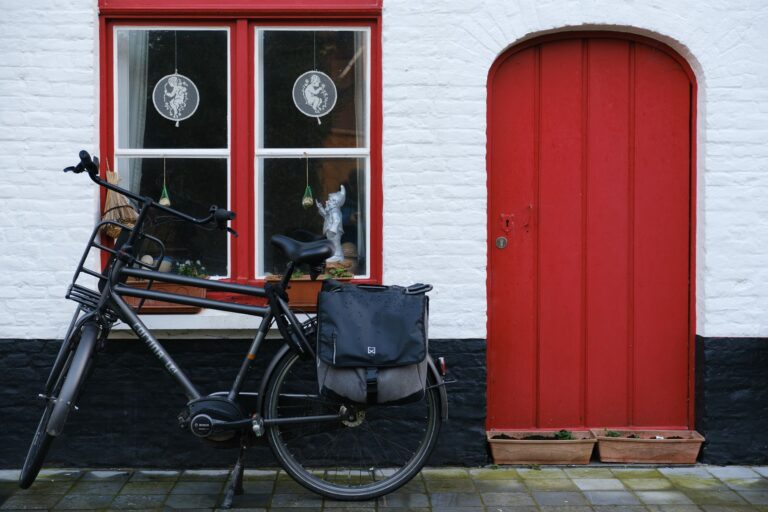
A step-through city bike is an upright urban bike with a low top tube you step through rather than swing over. Owning one means setting saddle height for leg extension, keeping tires and chain on schedule, checking brakes and bolts before rides, and choosing upgrades that favor comfort and low maintenance. That routine suits short trips, loaded errands, and frequent stops. The frame shape, riding position, and practical accessories matter more here than speed or aggressive handling.
Table of Contents
- How should you set saddle height?
- How do you keep tires and chain reliable?
- When should you replace the chain?
- What should you check before each ride?
- Which upgrades suit daily city use?
- What do you trade off with a step-through frame?
How should you set saddle height?
Prioritize leg extension over standover clearance. With your heel on the low pedal, your leg should reach almost full extension while your hips stay level, according to REI Expert Advice in REI fit guidance. Then lower the saddle slightly until you can reach the ground safely while seated.
Check the seatpost before tightening. The Shinola Bicycle Owner's Manual warns never to expose the minimum-insertion mark. Raise the bars and adjust saddle fore-aft only within the marked limits.
How do you keep tires and chain reliable?
Inflate to the pressure range printed on the tire sidewall. Schwalbe's Tire Pressure FAQ states that tubes lose about one bar per month, so recheck pressure at least monthly with a gauge in Schwalbe pressure advice. Low pressure raises flat and rim-damage risk, while very high pressure reduces traction.
Clean and lightly lubricate the chain rollers after wet, gritty, or long rides and at least every 160 km. Wipe excess oil with a lint-free cloth after lubricating. Climate affects lubricant choice and frequency, so ask a local shop whether wet or dry lube fits your conditions.
When should you replace the chain?
Measure stretch with a chain-wear gauge rather than judging by appearance. Park Tool instructions specify replacement at or before 0.75 percent wear for 5- to 10-speed chains in Park Tool chain instructions. Replace 11- to 12-speed chains at or before 0.5 percent wear.
Riding past those limits accelerates cassette and chainring wear. A worn drivetrain is more likely to skip under load. Timely replacement protects the more expensive mating parts.
What should you check before each ride?
Squeeze the front brake and rock the bike forward and back. That test confirms tight headset, brakes, and bolts.
Brakes should be able to lock the wheel into a skid on dry clean pavement, according to Specialized maintenance guidance. Night riding adds lighting duties. A front white light visible from 500 feet plus a rear red reflector is required under the cited Bridgeport municipal bicycle code.
- Brakes engage firmly and release cleanly
- Headset and key bolts feel tight in the rock test
- Tires look firm and undamaged
- Front light and rear reflector are fitted for night use
Which upgrades suit daily city use?
A front-wheel hub dynamo removes battery charging from commuting. A Shimano Nexus hub dynamo such as DH-C3000-3N generates 6 volts and 3 watts for 26- to 28-inch city and trekking bikes. It powers wired lights with low rolling resistance and keeps quick-release wheel service.
A sealed internal-gear hub reduces exposed maintenance. The Shimano Nexus 8-speed internal hub offers about 307 percent gear range and shifts while stationary. Its enclosed gears resist dirt and weather, and the range suits flat-to-hilly urban commuting better than an exposed derailleur for many riders.
What do you trade off with a step-through frame?
The low tube allows easy mounting, skirt-friendly riding, loaded rear-rack access, and flat-foot stops. Those traits help riders who carry bags, wear varied clothing, or stop often in traffic. Comfort and access are the main gains.
The frame needs extra reinforcement, so it is typically heavier and less stiff than a diamond frame. Owner discussion reviewed by Cycling UK favors comfort over fast performance. Choose step-through for ease and utility, not for maximum speed or frame stiffness.