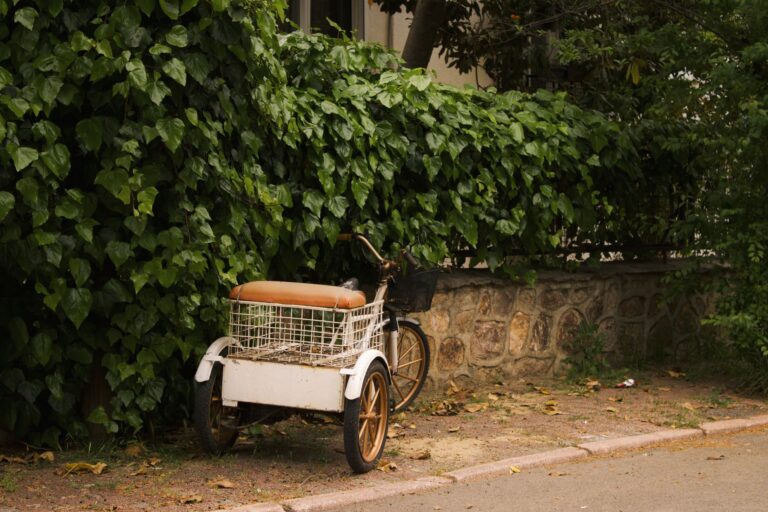
A front-loader cargo bike carries children or cargo low in a box ahead of the rider. This guide explains how to set one up, maintain it, choose upgrades, and weigh its main tradeoffs. A front-loader, often called a bakfiets, puts the load where the rider can see and talk to it. VeloDomestique notes that layout improves forward visibility and rider-child interaction versus rear longtails, but lengthens the bike and slows steering response.
Table of Contents
- Does a front-loader fit your daily use
- How do you set it up for weight and space
- How do you keep steering, brakes, and drive working
- How do you care for battery and belt
- What should you check before buying or upgrading
Does a front-loader fit your daily use
A front-loader suits school runs, shopping, and bulky loads that ride best low and centered. The long frame stays stable with weight, but needs wide turns and step-through mounting with children aboard.
Measure doors, hallways, and parking before you buy. Urban Arrow North America lists the Family at 274 cm long, 70 cm wide, about 50 kg, with FamilyNext rated to 250 kg bike-plus-rider-plus-cargo Urban Arrow Family specifications. That size needs ground-level secure garage storage because it cannot stand vertically like a compact longtail.
How do you set it up for weight and space
Do payload math before every heavy trip. Add bike, rider, children, seats, locks, and cargo, then stay under the manual rating.
Larry vs Harry rates the Bullitt at 180 kg total system weight including rider, with a 243-265 cm long, 46 cm wide frame and 20-inch front and 26-inch rear wheels. Small front wheels lower the box and aid loading, but curbs, ruts, and tight gates punish length.
How do you keep steering, brakes, and drive working
Front-loader linkage steering uses a rod from handlebar to front fork. Check its bolts, bearings, and tension often, especially after knocks or winter grit. Muli's manual directs loosening or tightening the linkage-to-steering-arm screw to set stiffer or smoother steering feel Muli steering adjustment guidance.
Test in an empty lot after adjustment, then recheck torque after one loaded ride. Cargocycles workshop reporting warns that loaded cargo e-bikes wear pads fast on hills and in grit or wet weather. Shops favor four-piston hydraulic disc brakes with large rotors and frequent pad checks because added mass raises friction and heat.
- Check steering-rod bolts and play
- Check brake-pad thickness and rotor rub
- Check belt tension and tooth seating
- Check tire pressure, box mounts, and parking brake hold
How do you care for battery and belt
Keep water away from electrics. Bosch directs owners not to submerge batteries or pressure-wash them, to clean with a soft damp cloth, charge supervised at 32-104 degrees Fahrenheit, and store long-term at 30-60 percent charge in a dry room-temperature room with a smoke detector Bosch battery care guidance.
Treat a belt drive gently. Canyon's urban manual, citing Gates guidance, says belts need no oil, wash with water only, and must not bend or twist. Low tension can skip teeth, while excess tension drags and wears bearings and belt.
What should you check before buying or upgrading
Look for stated payload and safety compliance in the manual. United Mobility's standards summary traces European carrier-cycle safety from German DIN 79010:2020 to CEN EN 17860:2024, covering frame, fork, brakes, parking brake, loads to 250 kg, battery and electronics, and child-passenger provisions.
Use that checklist for upgrades. Choose a rain canopy, child seats, and wheel lock that match the certified load and mounting points. Confirm dealer support for steering parts, long cables, and cargo-rated tires before you need them roadside.