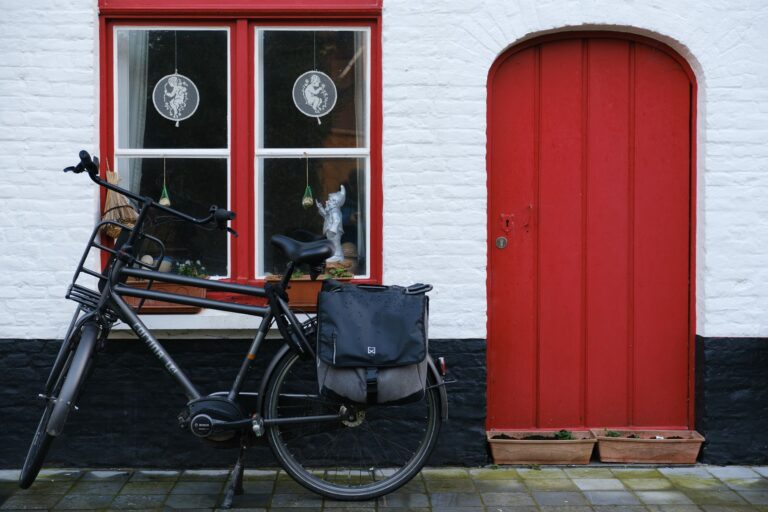
Beach cruiser ownership works best when you dial in upright fit, control sand and salt exposure, and match gearing to flat or hilly routes. A beach cruiser is an upright bike with wide tires, relaxed handling, and simple controls built for short, easy rides. This guide covers setup, routine care, brake service, safety upgrades, and gear tradeoffs. Each choice affects comfort, cost, and how far you can ride.
Table of Contents
- How Should a Cruiser Fit?
- How Do You Fight Sand and Salt?
- One Speed, Gears, or E-Assist?
- What About Brakes and Helmets?
How Should a Cruiser Fit?
Set saddle height for near-full leg extension with slight knee bend at the bottom of the pedal stroke. REI's bike-fit guide recommends that position in REI's bike-fitting guide, while keeping flat-foot stops without rocking hips.
It helps new and short-inseam riders most. Set handlebars for an upright torso with relaxed shoulders, elbows, and wrists. Marin Bikes explains the adjustment in its setup advice: loosen the stem bolts with a hex key, roll the bars forward for longer reach or back for shorter reach, then re-tighten.
- Raise the saddle in small steps until hips stop rocking.
- Move the saddle forward or back for balanced weight.
- Roll bars back to reduce neck, shoulder, and wrist strain.
How Do You Fight Sand and Salt?
Check tire pressure, brake function, and chain lubrication before rides. CruiseDiscover's maintenance explainer covers that routine in CruiseDiscover's cruiser maintenance guide, plus cleaning after coastal use. Sand wears moving parts, and salt speeds rust.
Rinse sand and salt after beach rides, dry the bike, and store it dry. Pay attention to chain, spokes, fasteners, fenders, and exposed steel. Beach exposure accelerates corrosion without rinsing, so a quick wash protects longer than occasional deep cleaning.
One Speed, Gears, or E-Assist?
Expect weight and terrain limits. Peace Bicycles reports many cruisers weigh about 30 lbs with wide tires in Peace Bicycles' cruiser gear guide, so single-speed versions tire riders faster and struggle on hills with only one gear. That matters if your route includes bridges, bluffs, or headwinds.
Choose single-speed for flat beach paths when you want lighter weight and simpler care. BikeExchange notes the format avoids a cassette, derailleurs, cables, and shifters to index. Choose multi-speed or e-assist for hills and longer rides to hold comfortable cadence with less strain.
What About Brakes and Helmets?
Many single-speed cruisers use a coaster brake, pedaled backward to stop. Sheldon Brown and Harris Cyclery advise generous grease packing during hub service because no internal part is harmed by grease. Keep the brake arm secured, test engagement after reassembly, and seek shop help if braking feels weak or inconsistent. Use only a helmet labeled compliant with the U.S.
CPSC federal bicycle-helmet safety standard. The U.S. Consumer Product Safety Commission directs riders to fit it level with snug straps in the CPSC helmet safety infographic, and to replace it after any impact including drops. Virginia Tech Helmet Lab STAR ratings add another upgrade input: 24 lab impacts model ground strikes, and higher-star helmets are associated with lower concussion risk, although no helmet prevents all injury.