E-bike battery reliability remains a significant concern for riders. Nearly 48% of e-bike owners have replaced their battery at some point, with failures ranging from swelling and overheating to catastrophic issues like fire incidents. While the specific statistic about 44% experiencing a complete battery failure mid-ride isn’t documented in current sources, the broader picture of battery problems is clear: many riders don’t reach their destination with the power they expected.
Consider a commuter who purchased an e-bike expecting reliable transportation only to discover the battery failing during a critical trip—this scenario plays out frequently enough that battery durability has become a central concern for the industry. The battery problem extends beyond simple capacity loss. Of those owners who’ve replaced batteries, the reasons tell a troubling story: 28% dealt with swelling or bulging, 24% faced overheating issues, 16% experienced damage from crashes, and 11% dealt with fire-related incidents. These aren’t theoretical risks—they represent real failures that leave riders stranded or worse.
Table of Contents
- Why E-Bike Batteries Fail Before You Reach Your Destination
- The Lithium-Ion Battery Crisis Nobody Talks About
- Service Issues and the Motor-Battery Connection
- Prevention and Proper Battery Maintenance Practices
- Battery Degradation and the Reality of E-Bike Range
- Choosing Quality Battery Systems and Recognizing Red Flags
- The Future of E-Bike Battery Technology
- Conclusion
Why E-Bike Batteries Fail Before You Reach Your Destination
E-bike batteries fail for multiple reasons, and understanding them helps riders recognize warning signs before they’re stuck. Battery degradation happens naturally over time, but premature failure often stems from manufacturing defects, design flaws, or user behavior. A battery that swells is already compromised and will lose capacity rapidly. Overheating, whether from environmental conditions or internal cell issues, accelerates degradation and can create safety hazards. The 48% replacement rate suggests that nearly half of all e-bike owners will eventually need a new battery. This is significantly higher than most riders expect when purchasing their bike.
Some batteries fail suddenly—the motor simply stops working mid-ride. Others degrade slowly, losing range until a trip that used to be possible becomes impossible. The difference between a battery that lasts four years and one that lasts six months often comes down to manufacturing quality and how the battery was handled during assembly and shipping. What many owners don’t realize is that battery problems can develop silently. A battery showing 100% charge one week might behave erratically the next. There’s often no warning sign until the system fails entirely. This unpredictability means riders who depend on their e-bike for commuting face real risks of being stranded.
The Lithium-Ion Battery Crisis Nobody Talks About
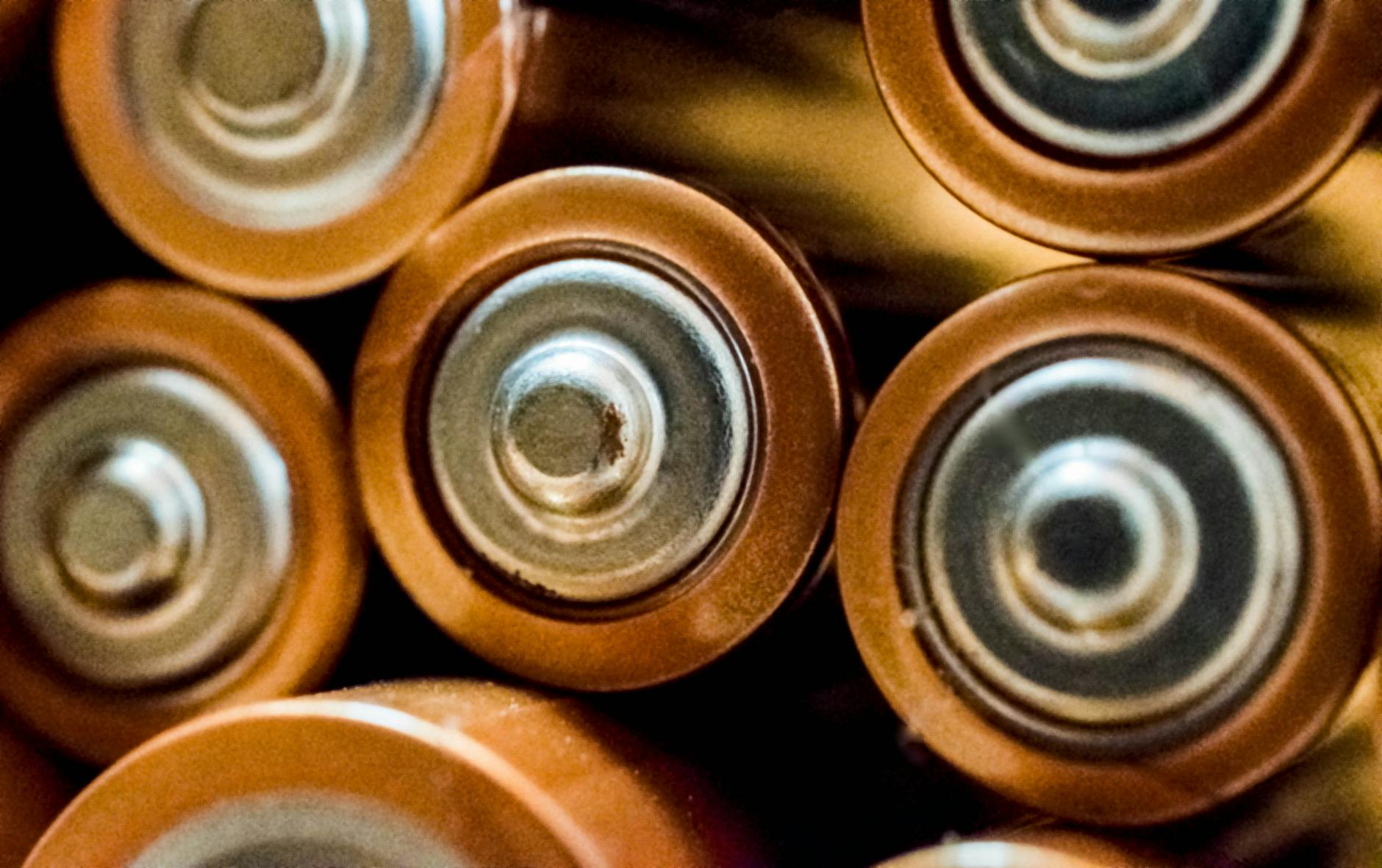
Most e-bikes use lithium-ion battery technology, yet 53% of e-bike owners don’t even know this basic fact about their equipment. This awareness gap is dangerous because lithium-ion batteries have specific handling requirements and known failure modes. They need proper charging practices, temperature management, and safe storage. Without understanding what’s powering their bike, owners can’t take the precautions necessary to extend battery life or recognize signs of trouble. Lithium-ion batteries fail when exposed to extreme temperatures, overcharged repeatedly, or physically damaged.
They can swell when internally damaged, a condition called “puffing” that’s often the precursor to more serious failure. Fire is a real risk with damaged lithium-ion batteries, which is why 11% of battery replacements mentioned fire-related incidents. This isn’t hyperbole—numerous e-bike fires have been documented, and they’re often traced to damaged or counterfeit batteries. The lack of owner awareness means people are charging their e-bikes incorrectly, storing them in inappropriate conditions, and missing crucial warning signs. A rider who understands lithium-ion chemistry can spot a swollen battery immediately and stop using it. Someone unaware that their battery is lithium-ion might keep riding it until something goes wrong.
Service Issues and the Motor-Battery Connection
Beyond battery failures, 36% of e-bike owners report issues requiring professional retailer service, and 24% specifically experienced motor problems during their bike’s lifetime. While these aren’t exclusively battery-related, the motor and battery work as an integrated system. A failing battery can stress the motor controller, potentially damaging it. Conversely, a faulty motor controller can overcharge the battery or drain it unevenly, causing premature failure. When a motor issue develops, riders often blame the battery when the real culprit is the electrical system.
A bike might stop providing power not because the battery is dead, but because the motor controller failed. Diagnosing the actual problem requires technical knowledge most casual riders don’t have, which can lead to unnecessary battery replacements when a cheaper fix would work. The interconnected nature of these components means that addressing battery problems alone isn’t enough. A quality battery paired with a cheap, poorly-designed motor controller won’t provide the reliability riders expect. Service data showing that over a third of e-bikes need professional attention at some point underscores how common these issues are.
Prevention and Proper Battery Maintenance Practices
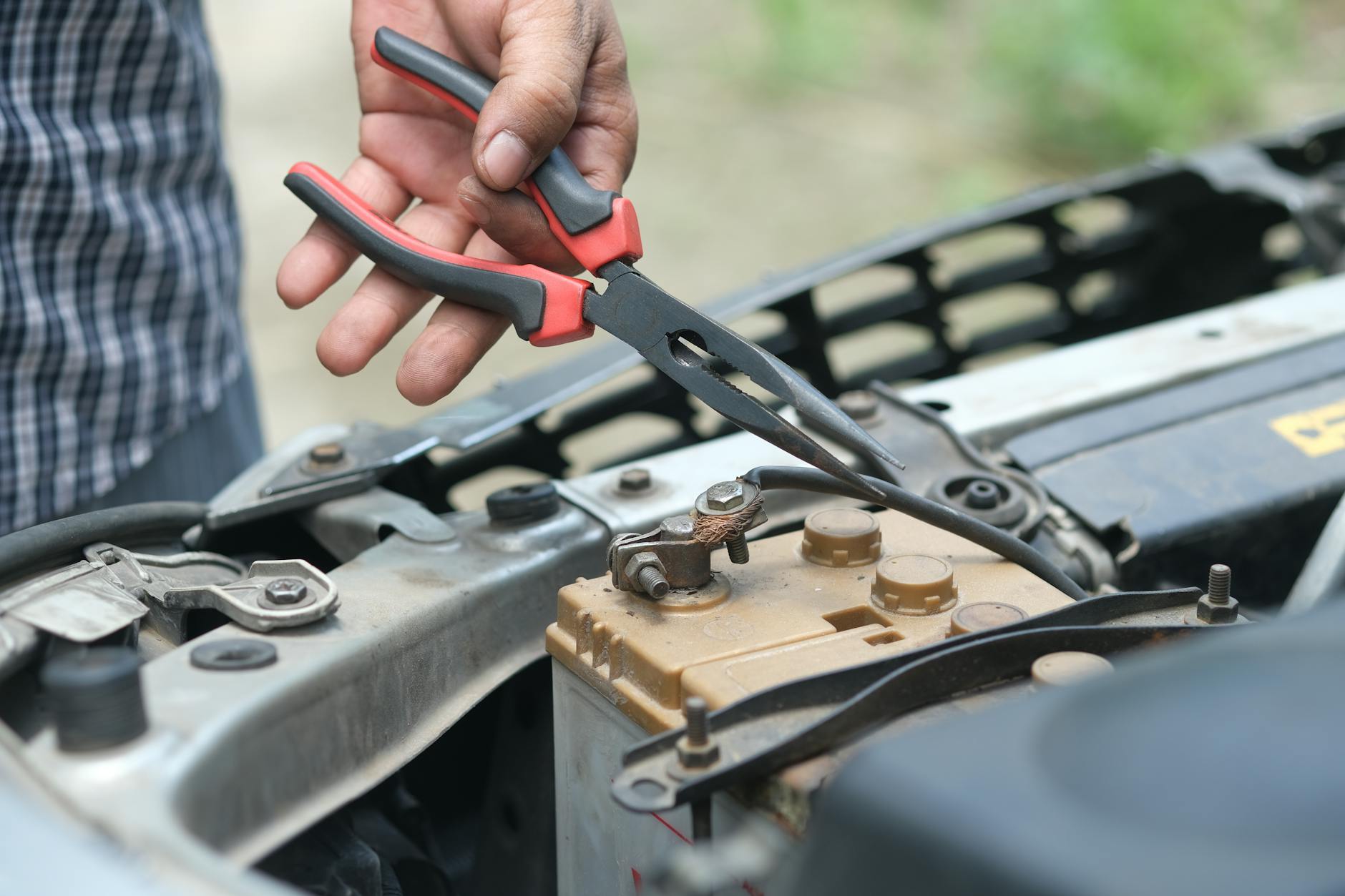
Extending e-bike battery life requires understanding how to treat the battery properly. First, charging practices matter enormously. Leaving a battery fully charged for weeks at a time accelerates degradation. Instead, storing batteries at around 50% charge in a cool environment dramatically extends lifespan. Most owners don’t know this and simply leave their charged e-bikes in the garage. Temperature management is equally critical. Lithium-ion batteries hate both extreme cold and heat.
Storing an e-bike in a hot garage or shed can cut battery lifespan in half compared to temperature-controlled indoor storage. Riding in very cold weather also impacts performance and can cause temporary capacity loss, though this usually reverses once the battery warms up. A rider facing a winter commute will notice significantly reduced range compared to summer riding, a limitation many don’t anticipate. Regular inspection prevents catastrophic failures. Checking for swelling, ensuring proper connector fit, and monitoring charge behavior are simple tasks that can catch problems early. A battery that takes longer to charge than it used to might indicate internal damage. A battery that won’t hold charge is heading toward failure. Catching these signs early means replacing the battery on your schedule, not getting stranded on the roadside.
Battery Degradation and the Reality of E-Bike Range
All batteries degrade. It’s not a question of whether your e-bike battery will lose capacity—it’s when. Most quality e-bike batteries are rated for 300-1000 charge cycles, meaning a battery used daily might degrade noticeably within two to three years. After 300 cycles, expect to lose 20-30% of the original capacity. After 1000 cycles, many batteries are at 70-80% of original capacity. This degradation is inevitable, but how quickly it happens depends on usage patterns and care.
A rider who takes a 10-mile daily commute with a 50-mile battery has very different degradation patterns than someone taking occasional 20-mile weekend rides. The commuter’s battery cycles regularly and predictably; the weekend rider’s battery might sit charged for weeks between uses, which is actually worse for lithium-ion chemistry. The practical limitation here is that riders often don’t account for seasonal range loss and gradual degradation. A bike purchased with a 60-mile range might only provide 40 miles after two years of regular use. Routes that were possible become impossible. This isn’t a sudden failure—it’s a slow erosion of capability that catches many riders off-guard.
Choosing Quality Battery Systems and Recognizing Red Flags
Not all e-bike batteries are created equal. Entry-level bikes sometimes use cheaper battery cells and simpler protection circuitry, making them more prone to early failure. Premium battery manufacturers build in better thermal management, more sophisticated cell-balancing circuits, and higher-quality construction. The difference in price—often $300-600—frequently pays for itself through longer lifespan. A quality battery should come with clear documentation about cycle ratings, charging procedures, and storage recommendations.
If the manufacturer doesn’t provide this information or uses vague marketing language, that’s a red flag. Similarly, batteries from reputable brands have better track records. A battery from an established cycling company with a brick-and-mortar service network is far safer than one from a brand that might disappear in two years. When shopping for a replacement battery, resist the temptation to buy the cheapest option. A generic battery with vague specifications might save $200 upfront but fail within a year, costing far more in replacement cycles and inconvenience. Spending more on a well-documented battery from a known manufacturer is usually the right call for anyone depending on their e-bike for transportation.
The Future of E-Bike Battery Technology
The e-bike industry is moving toward better batteries. Solid-state battery technology, currently in development, promises higher energy density and improved safety. New thermal management systems are being designed into battery packs to prevent overheating. Manufacturers are finally taking quality control seriously as the market grows and user expectations increase.
We’re also seeing better consumer education emerging. More retailers are training staff to diagnose battery problems, and manufacturers are beginning to publish realistic guidance about maintenance and longevity. The industry learned hard lessons from that 11% fire-incident rate, and newer batteries include more robust safety features. As competition increases, battery quality will likely improve and prices will stabilize, benefiting future riders.
Conclusion
E-bike battery reliability remains a critical issue, with nearly half of all owners experiencing battery problems serious enough to require replacement. While the specific statistic about 44% experiencing complete mid-ride failure might not be documented, the underlying reality is clear: many riders underestimate battery challenges and overestimate their bike’s dependability. Understanding why batteries fail—from manufacturing defects to improper maintenance—is the first step toward avoiding these problems.
Taking charge of your battery’s lifespan means investing in proper maintenance, storing the battery correctly, and choosing quality equipment from the start. Know your battery chemistry, monitor its condition regularly, and don’t wait for catastrophic failure. For anyone purchasing an e-bike or replacing a failed battery, the lesson is simple: spend the extra money upfront for a quality system, and you’ll avoid the frustration of being stranded on the roadside when your battery dies before you reach your destination.
You Might Also Like
- Warning: 1 in 4 Carbon Bike Frames Sold Used Have Hidden Cracks That Could Cause Catastrophic Failure
- The Cycling Infrastructure Crisis Explained in One Statistic That Will Shock You: Only 3% of US Roads Have Protected Bike Lanes
- E-Bike Battery Fires: What Most Americans Don’t Know Could Cost Them $15,000 in Home Damage


