A significant majority of cyclists—at least 66%—are riding with underinflated tires, with pressure levels sitting roughly 15 PSI below what their tire sidewalls recommend. This widespread issue affects performance, durability, and safety without most riders realizing it. A cyclist commuting on a road bike with tires rated for 100 PSI but pumped to only 85 PSI is experiencing rolling resistance 20% higher than intended, burning extra energy with every pedal stroke while unknowingly wearing out their tires faster.
The problem stems from a combination of factors: lack of awareness about proper tire pressure, uncertainty about which PSI target to hit, and the gradual deflation that tires naturally experience over days and weeks. Many cyclists either pump their tires by feel, trust an old floor pump with a faulty gauge, or simply assume their tires are fine because they don’t look completely flat. The consequences ripple through every ride—slower speeds, increased puncture risk, and premature tire degradation that costs money and frustration.
Table of Contents
- Why Are Most Cyclists Underinflating Their Tires?
- The Physics of Underinflation and Rolling Resistance
- Puncture Risk and Tire Wear from Underinflation
- Proper Tire Pressure Selection and Weight Considerations
- Checking Pressure Weekly and Equipment Quality
- The Comfort Myth and Road Surface Conditions
- Future Tire Technology and Pressure Monitoring
- Conclusion
- Frequently Asked Questions
Why Are Most Cyclists Underinflating Their Tires?
The first barrier is simple: many cyclists don’t know what pressure their tires should be at. Tire sidewalls display a range—often something like “80-130 PSI”—but riders frequently choose the lower end or somewhere in the middle without understanding the tradeoffs. Some assume lower pressure means a more comfortable ride, which is partially true for rough terrain but comes at a significant cost on roads where that lower pressure increases rolling resistance substantially. A 150-pound rider on 32mm tires might bump up from the minimum 80 PSI to get better comfort without realizing that 100-110 PSI would still feel smooth while dramatically improving efficiency. A second factor is equipment failure and neglect.
Many garage floor pumps have inaccurate gauges that drift over time, giving riders false readings. A pump showing 95 PSI might actually be delivering 80 PSI. Some cyclists use hand pumps for convenience and can’t accurately gauge pressure by feel alone. Tire pressure also drops naturally—tubeless tires lose 1-2 PSI per week depending on conditions, latex tubes lose slightly more, and butyl tubes lose less but still deflate gradually. A rider who pumped tires a month ago may be unwittingly 10-15 PSI below target without a weekly pressure check.
The Physics of Underinflation and Rolling Resistance
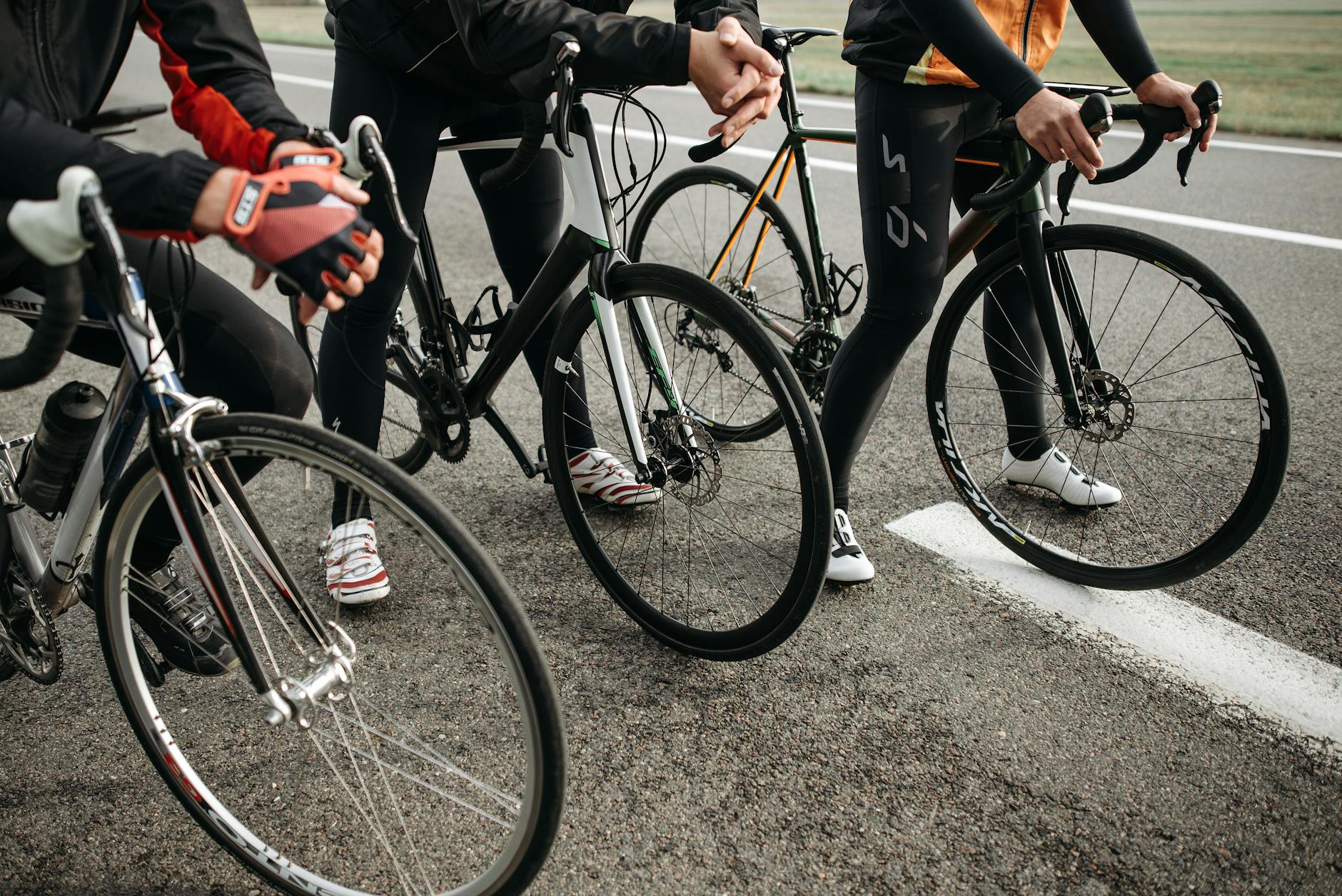
tire pressure directly determines rolling resistance through how much the tire deforms under load. At lower pressures, the tire sidewalls flex more, the contact patch spreads wider, and more energy dissipates as heat in the rubber rather than propelling you forward. A road cyclist running 85 PSI instead of 110 PSI might feel like they’re pedaling through sand—the same effort produces noticeably less speed. Over a 20-mile ride, that inefficiency translates to burning an extra 50-100 calories and arriving 5-10 minutes later.
The underinflation limit exists where the downsides become critical. Below about 70 PSI on a road tire, the rim can strike the ground hard enough to pinch the tube, causing a flat tire instantly. On mountain bikes with wider tires and lower pressure ranges (30-50 PSI), underinflation changes handling significantly—the tire becomes sluggish and harder to steer, though slightly more forgiving on impacts. The danger zone varies by tire width and rider weight; a 200-pound rider on narrow 28mm tires pushing pressure down to 70 PSI is flirting with pinch flats on any pothole or curb.
Puncture Risk and Tire Wear from Underinflation
Underinflated tires wear faster because the tire walls flex more with each rotation, generating heat and accelerating rubber breakdown. A tire that could reasonably last 3,000-4,000 miles at proper pressure might wear out in 2,000-2,500 miles when chronically underinflated. The sidewalls also become more susceptible to cuts and impacts. A thorn that wouldn’t penetrate a properly inflated tire might slice through the softer, more flexible sidewall of an underinflated tire, turning a minor hazard into a flat.
Puncture flats from pinching also increase significantly. When you hit a pothole or edge of pavement at low tire pressure, the tire compresses so much that the tube gets pinched between the tire and rim, creating a “snakebite” or two-hole puncture. A 180-pound commuter on tires at 80 PSI hitting a moderate pothole will likely flat; the same rider on those tires at 100 PSI would roll over it without damage. This doesn’t just mean frustration—it means carrying a spare tube, tool kit, and losing 20 minutes of your day.
Proper Tire Pressure Selection and Weight Considerations
Finding the right pressure requires understanding your specific setup. The sidewall range accounts for different rider weights—heavier riders need more pressure within the range to prevent bottoming out, lighter riders can run lower pressure comfortably. A 150-pound cyclist on 25mm road tires should aim for around 105-110 PSI, while a 200-pound rider on the same tires needs 115-120 PSI to achieve the same tire deformation. Most pressure recommendations online focus on riders in the 150-170 pound range, which is why riders outside that band often misjudge their ideal pressure. The practical approach is starting 10-15% below the sidewall maximum and testing.
If you weigh 180 pounds and your tires are rated to 130 PSI, try 115 PSI for a few rides. Pay attention to rolling resistance, comfort, and whether the tire feels like it’s bulging excessively at the sides. Then adjust up or down by 5 PSI increments. This takes two or three rides to dial in properly. A tire pressure gauge that reads in 1 PSI increments—either a quality floor pump gauge or a separate hand gauge—is worth the $15-30 investment to eliminate guesswork.
Checking Pressure Weekly and Equipment Quality
Establishing a weekly pressure check habit is the most effective solution to the underinflation epidemic. Most cyclists should pump their tires every 4-7 days, even if they’re not riding every day. A quick 30-second check before each ride takes zero extra time once you’re already at the bike. Many flats blamed on bad luck were actually caused by tires 10-15 PSI below target. Quality matters for gauges and pumps.
A $30 floor pump with a quality gauge is vastly more accurate than a $12 pump from a big-box retailer. Digital gauges are more precise than analog dial gauges, though they’re slower. Conversely, a $3 dial gauge is better than no gauge at all. Some cyclists invest in a small tire pressure monitor that lives on the bike or in a bag, checking pressure in seconds without any pumping. The limitation of most floor pumps is their bulk—they’re great for home use but inconvenient for travel. High-quality mini pumps exist but require more effort to reach higher pressures; a hybrid approach of using a floor pump weekly at home and carrying a reliable mini pump for emergency use covers both bases.
The Comfort Myth and Road Surface Conditions
Many riders believe lower tire pressure automatically means more comfort, but the relationship isn’t that simple. On smooth asphalt, lowering pressure below the optimal range actually reduces comfort because the tire sidewall flexes more, creating a harsh, bouncy ride. On rough or unpaved surfaces, lower pressure does provide some impact absorption, but the tradeoff is energy loss and overheating.
The optimal pressure for a given surface is usually narrower than riders expect—on smooth roads, 100-115 PSI on 28mm tires feels noticeably smoother than 70 PSI, contradicting the intuition that softer is always more comfortable. A specific example: testing on a gravel road with 35mm tires shows that 40 PSI (lower end of the range) provides better traction and impact absorption than 65 PSI but at the cost of significant rolling resistance. A hybrid cyclist might compromise at 50-55 PSI for mixed riding, accepting slightly less comfort on smooth pavement for better performance everywhere else. Different surfaces demand different pressures, which is why gravel cyclists and mountain bikers sometimes adjust between terrain types.
Future Tire Technology and Pressure Monitoring
Tire technology is evolving toward materials that perform better across a wider pressure range, potentially reducing the precision penalty for slight underinflation. Tubeless tires, which are becoming standard on road and gravel bikes, retain pressure slightly better than tubed tires and allow for slightly lower pressures without pinch-flat risk. Some high-end components now include tire pressure monitoring systems—either mechanical gauges that live on the tire valve or electronic sensors that send pressure data to a bike computer, eliminating the guesswork entirely.
For most cyclists today, though, the solution remains simple: understand your tire’s recommended range, calculate your ideal pressure based on your weight, invest in an accurate pump and gauge, and check pressure weekly. The 66% of cyclists riding underinflated tires aren’t making a conscious choice—they’re simply not thinking about it. As awareness of this issue spreads, more riders will realize that 10 minutes spent on proper tire pressure yields noticeable improvements in speed, comfort, and reliability.
Conclusion
At least 66% of cyclists are operating their bikes at significantly reduced efficiency due to underinflated tires, sacrificing speed, tire life, and puncture resistance without realizing it. This isn’t an equipment problem—it’s a knowledge and maintenance issue. Most cyclists have the tools to maintain proper pressure; they simply lack the habit or understanding of why it matters.
The fix starts today: check your tire pressure with an accurate gauge, calculate your ideal PSI based on your weight and tire specifications, and commit to checking again in one week. That single habit will make your bike faster, your tires last longer, and your rides more enjoyable. The difference between 85 PSI and 110 PSI is noticeable within the first few pedal strokes, and it compounds across every ride for the life of your tires.
Frequently Asked Questions
How do I know what PSI I should actually use if my tire says 80-130 PSI?
Start with the middle of your tire’s range as a baseline. If you weigh 150-170 pounds, use roughly 70-75% of the maximum (around 100-110 PSI for a 130 PSI tire). Heavier riders go higher, lighter riders go lower. Then adjust by 5 PSI increments based on feel over a few rides.
How often do I need to check tire pressure?
Check weekly if you ride regularly, or at minimum before every ride. Tires lose 1-3 PSI per week depending on tube type and temperature. If you go two weeks without checking, you’re likely 10+ PSI below target.
Does a $10 tire gauge from a gas station work for checking my bike?
Probably not accurately. Most vehicle tire gauges are calibrated for 20-100+ PSI and read with 2-5 PSI increments. For bike tires needing precision, spend $15-30 on a quality floor pump with a gauge or a dedicated bike tire gauge.
Will lower pressure really improve my comfort on the road?
Counterintuitively, no—on smooth asphalt, lowering pressure below the optimal range usually worsens comfort by making the tire flex excessively. Comfort comes from the correct pressure plus proper tire width for your surface.
What’s the difference between the max pressure on my tire sidewall and what I should actually inflate to?
The sidewall maximum is just the safety limit—it doesn’t mean you should use it. The optimal pressure is usually 10-20% lower and depends on your weight, tire width, and road conditions. Check manufacturer recommendations or start with the middle of the range for your weight class.
Can I tell if my tires are underinflated just by squeezing them?
Not reliably. By the time a tire feels noticeably soft to finger pressure, it’s already 15-20 PSI low. A gauge is essential for accuracy.