E-bike battery fires are causing an estimated $15,000 to $3 million in home damage per incident, and most Americans riding or living near e-bikes have no idea they’re at risk. In December 2025, a single lithium-ion battery fire in San Francisco caused an estimated $3 million in damage and forced the evacuation of a 77-unit residential building. This wasn’t an anomaly—it represents a rapidly growing crisis that fire departments across the country are now treating as a major public health threat. The London Fire Brigade responded to 206 e-bike and e-scooter fires in 2025 alone, with e-bikes accounting for 171 of those incidents and resulting in 2 deaths. Since 2023, the problem has claimed 5 lives in London, yet most e-bike owners in North America have never heard about it.
The scale of this problem extends far beyond isolated incidents. New York City has recorded 666 battery-triggered fires since 2019, resulting in 28 deaths and 412 injuries. In 2023 alone, NYC saw 268 e-bike and e-mobility device battery fires—a staggering 793% increase from 2019. The Consumer Reports estimate that approximately 198,000 lithium-ion battery fires have occurred in structures since 2011, with consumer-level fires growing at roughly 10% per year. What makes this particularly alarming is that many of these fires happen during charging, while owners sleep just feet away from their batteries.
Table of Contents
- How E-Bike Batteries Become Fire Hazards
- Why Your Homeowner’s Insurance Might Not Cover It
- Real Incidents That Show Why This Matters
- What You Need to Know About Safe Charging and Storage
- The Defect Problem That Manufacturers Haven’t Solved
- What Happens to Your Finances If a Fire Occurs
- Regulatory Changes and the Future of E-Bike Battery Safety
- Conclusion
- Frequently Asked Questions
How E-Bike Batteries Become Fire Hazards
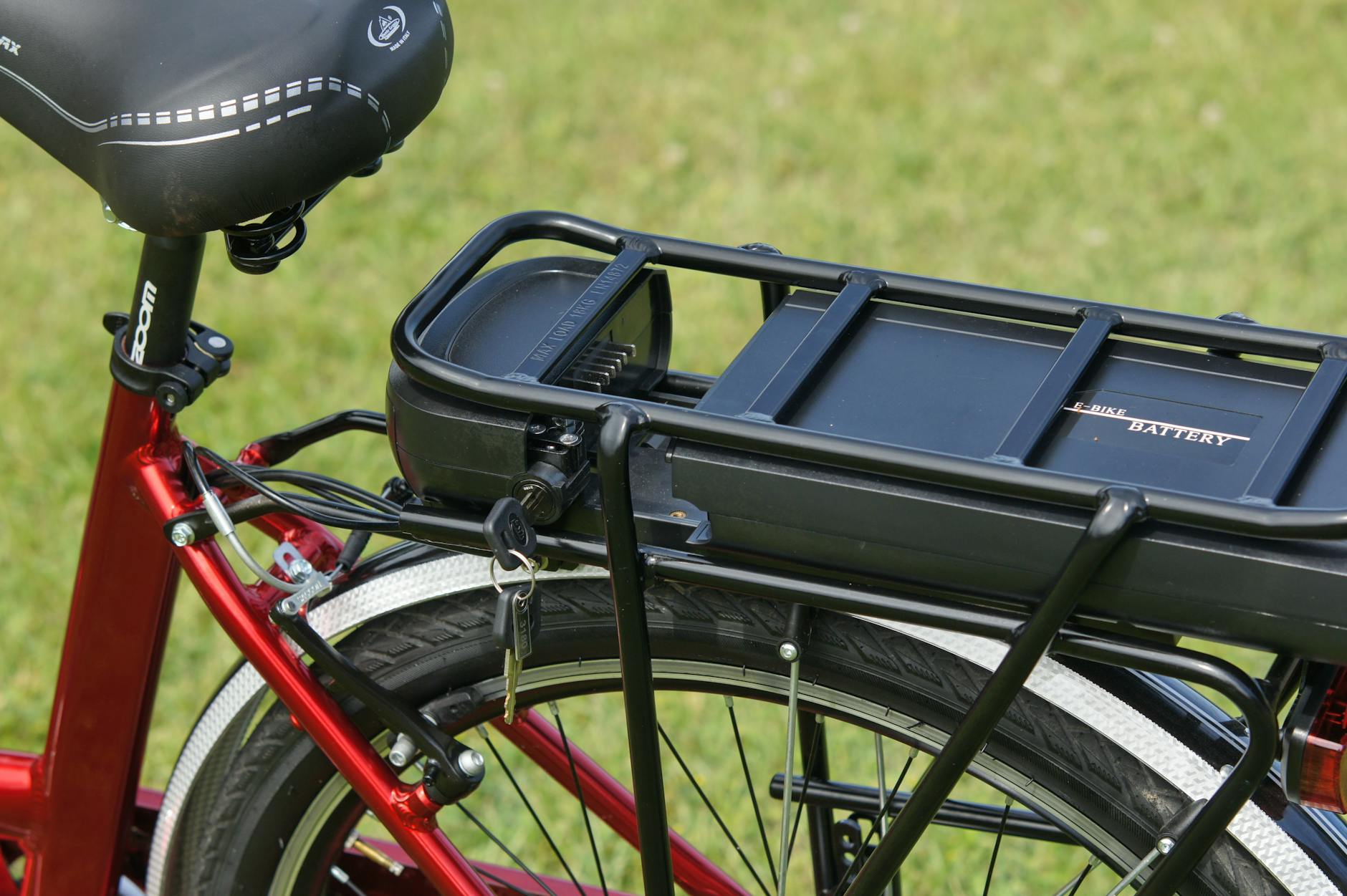
E-bike batteries fail catastrophically because lithium-ion cells operate at the edge of their chemical stability. Inside the battery pack, thin separators prevent internal short circuits—but manufacturing defects, physical damage, or deep discharge can cause those separators to fail. When they do, the battery doesn’t just stop working. Instead, it enters thermal runaway: the internal resistance heats the chemical core to temperatures exceeding 1,000 degrees Fahrenheit in seconds. The battery then vents flammable electrolyte that ignites, often with enough force to rupture the battery case and spray burning material across a room. The danger is compounded by rapid market growth and quality control gaps.
The U.S. Consumer Product Safety Commission warned consumers in 2026 to immediately stop using batteries from Rad Power Bikes due to fire hazard risk of serious injury or death. Across 31 reported Rad Power battery fires, 12 incidents caused $734,500 in combined property damage. That’s an average of over $61,000 per fire. The problem isn’t limited to budget brands—fires have occurred across the price spectrum because the underlying lithium-ion chemistry is inherently volatile in poorly manufactured packs. What most riders don’t understand is that a cheap battery isn’t just uncomfortable to ride on; it’s an active fire hazard in their home.
Why Your Homeowner’s Insurance Might Not Cover It
Before assuming your homeowner’s insurance will cover a battery fire, check your policy carefully. Many standard homeowner’s policies contain exclusions for damage caused by defective products that you knowingly brought into the home. If your battery pack carried warnings about manufacturing defects or recall notices you ignored, your claim could be denied. Additionally, if a fire starts in a garage or storage area where you’ve been charging multiple batteries, insurers may argue you failed to follow safe storage practices and deny the claim entirely.
San Francisco’s December 2025 fire illustrates another liability trap: the fire spread from one unit to 76 others in the building. Residents in adjacent units may pursue claims not against their own insurance, but against the person who owned the defective battery—you. One person’s negligent battery storage becomes multiple families’ legal liability. This is why California implemented mandatory safety standards effective January 1, 2026, requiring all electric bike batteries sold in the state to comply with safety standards set by the State Fire Marshal. But for residents in states without such regulations, the burden of verifying battery safety falls entirely on the consumer.
Real Incidents That Show Why This Matters
In San Francisco, a lithium-ion battery fire in December 2025 caused an estimated $3 million in damage and displaced dozens of families. The fire started during charging and spread so rapidly through the building’s electrical systems that firefighters couldn’t contain it to a single unit. Building evacuations, structural damage, temporary homelessness for residents, lost personal property, and the psychological trauma of a disaster—all caused by one battery that cost less than $1,000. The building’s insurance costs will rise for years, affecting every resident even though only one person owned the defective battery.
The London Fire Brigade’s 2025 data shows a similar pattern. Of 206 e-bike and e-scooter fires attended in the city, 171 involved e-bikes specifically. Two deaths occurred in 2025 alone, with 5 total deaths since 2023. What makes London’s data particularly instructive is that it shows this is a growing, not stabilizing, trend. As e-bike adoption accelerates globally, fire departments are adding special vehicles and training because traditional firefighting techniques don’t work on lithium-ion fires—water makes them worse, and they can reignite hours later.

What You Need to Know About Safe Charging and Storage
The safest charging approach is counterintuitive for most owners: charge in a location disconnected from your living spaces. If you must charge indoors, use a metal storage box (lithium-ion fires can reach 1,000+ degrees, so plastic melts) placed in an unfinished basement, garage corner away from walls, or a shed. Never charge overnight in a bedroom or living area, never stack multiple battery packs while charging, and never leave a charging battery unattended. Most battery fires occur during charging, not while riding, because the charging process subjects the battery to sustained heat that can trigger internal failures.
Compare this to how data centers handle lithium-ion battery arrays: they use climate-controlled rooms with automatic fire suppression systems, metal containment boxes, and 24/7 monitoring. Most home riders do the opposite—they charge in living areas during peak indoor time. A practical middle ground involves charging in a garage with the door open, using a UL-certified charger designed for your battery, and replacing any battery showing signs of damage or age degradation. Most e-bike batteries lose capacity after 500-1,000 charge cycles; a battery beyond this lifespan should not be recharged in your home.
The Defect Problem That Manufacturers Haven’t Solved
Manufacturing defects in lithium-ion batteries often don’t reveal themselves until months or years after purchase. A microscopic flaw in the separator, a slight misalignment in the cell stack, or a minor moisture contamination during assembly may not affect the first 50 charge cycles. But environmental stress—temperature fluctuations in an unheated garage, vibration from riding—gradually worsens the flaw until thermal runaway occurs unpredictably. This is why batteries from established manufacturers with rigorous quality control are significantly safer than batteries from new entrants or direct-to-consumer brands with limited oversight.
The 2026 CPSC warning against Rad Power batteries demonstrates that even batteries that passed initial safety tests can fail catastrophically in use. The agency reviewed 31 reported fires, documented patterns of failure, and only then issued the warning. This means if you’re using a brand with no recall or warning yet, that doesn’t guarantee safety—it may simply mean the failures haven’t accumulated to the threshold where CPSC investigates. Your responsibility as an owner is to research manufacturer reputation, verify that your battery was tested by independent labs (look for UL certification), and never ignore warning signs like unusual heat during charging, swelling of the battery case, or corrosion on charging connectors.

What Happens to Your Finances If a Fire Occurs
If your e-bike battery causes a fire that damages only your home, your homeowner’s insurance will likely cover it—unless the policy specifically excludes product-related fires or you ignored known defects. Expect a substantial deductible, potential rate increases for several years, and a possible non-renewal notice. But if your fire spreads to neighbors’ homes, your personal liability coverage ($100,000–$300,000 on most policies) may not be sufficient to cover their losses. The San Francisco incident involved a $3 million damage estimate; even if split across the building, individual liability could exceed typical policy limits.
This is where the $15,000 average damage figure from the title becomes relevant: that’s not worst-case or best-case, it’s realistic for a fire contained to a single room or garage. A large home fire reaches $50,000–$100,000+ quickly when you factor in structural damage, temporary living expenses, and content replacement. A multi-unit building fire reaches millions. The financial downside of a defective battery extends beyond your own property—it encompasses your liability to others and the permanent impact on your insurability and future rates.
Regulatory Changes and the Future of E-Bike Battery Safety
California’s mandatory safety standards effective January 1, 2026, represent the first major U.S. regulatory response to the fire crisis. All electric bike batteries sold in the state must now comply with standards set by the State Fire Marshal, a substantial shift from the previous self-regulation model. This won’t eliminate fires—defective batteries will still reach consumers through online sellers or interstate shipping—but it raises the baseline safety threshold for the largest market in the U.S.
Other states are likely to follow California’s lead over the next 2-3 years as the data becomes harder to ignore. The long-term trajectory is toward batteries with more robust internal safeguards, such as cell-level fusing that isolates damaged cells, improved separator materials that resist penetration, and integrated temperature monitoring that cuts charging power if the battery gets too hot. New e-bike models already incorporate some of these features, but retrofit batteries and older models will remain risky for years. As fire departments allocate more resources to lithium-ion incidents and insurance companies demand higher premiums for battery storage, the market pressure to improve safety will intensify. For consumers, this means now is the time to verify your battery’s certification and replace aging packs before they fail.
Conclusion
E-bike battery fires are not hypothetical risks—they’re happening in cities across North America and Europe, causing fatalities, displacing families, and creating massive liability for owners who didn’t realize a charging battery could destroy their home and their neighbors’. The verified data from London, New York City, and San Francisco shows this is an accelerating crisis, not a rare occurrence. Most e-bike owners remain unaware that the battery they charge overnight in their garage could fail catastrophically, costing $15,000 to over $3 million in damage, triggering insurance claims denials, and exposing them to personal liability lawsuits from neighboring properties.
Your next step is to verify your battery’s certification status (look for UL certification), research any recalls or warnings for your specific model, assess your current charging and storage practices, and consider upgrading to a safer battery from a manufacturer with strong quality control. Check your homeowner’s insurance policy for exclusions related to battery fires, and if you’re in a state without mandatory safety standards, treat your own due diligence as critical safety work. The e-bike revolution has enabled millions of people to ride farther and carry more, but the cost of that convenience is acknowledging and managing the real fire risk that every lithium-ion battery carries into your home.
Frequently Asked Questions
Can a lithium-ion battery catch fire even if it’s not being charged?
Yes, though less commonly. Batteries can fail during discharge if internal defects are present, but the risk is higher during charging because the electrical current increases internal resistance and heat. Most fires occur during or immediately after charging.
Is a swollen battery pack a sign of imminent failure?
Swelling indicates that gases are building up inside the pack due to internal degradation. This is a critical warning sign that the battery should be removed from your home immediately and disposed of properly. Do not attempt to charge a swollen battery.
Will my homeowner’s insurance cover an e-bike battery fire?
Most standard policies will cover the fire damage itself, but they may deny the claim if you ignored warnings or defect notices, or if the policy contains specific exclusions for product-related fires. Read your policy carefully and contact your insurer before an incident occurs.
How often should I replace my e-bike battery?
Most lithium-ion e-bike batteries degrade significantly after 500–1,000 charge cycles, equivalent to 1–3 years of regular use depending on riding frequency. A battery older than 5 years should be replaced before continuing regular indoor storage and charging.
What should I do if my battery is part of a recall?
Stop using it immediately and do not charge it indoors. Contact the manufacturer for a replacement or refund. If a refund is not offered, dispose of the battery at an e-waste recycling facility that accepts lithium-ion batteries.
Is it safe to charge an e-bike battery in my apartment?
Charging indoors in an apartment increases fire risk dramatically because any fire spreads quickly to adjacent units and common areas. If you must charge indoors, use a metal storage box in the balcony or a detached storage area, never in your living space.


