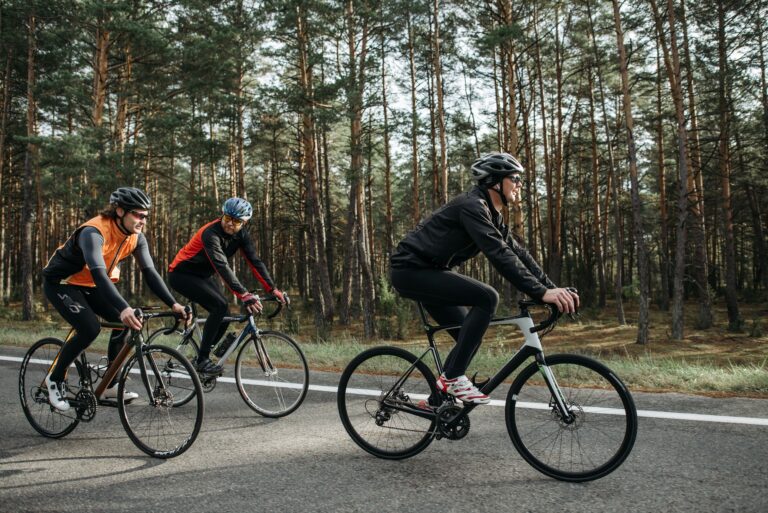
Cycling endurance training builds your ability to hold steady power for hours and progress safely starts with setting zones, riding mostly easy, then adding intensity slowly. Cycling endurance means sustaining aerobic effort without sharp fatigue, and safe progress means gradual volume, fueling, and rest. Start with a fitness baseline, build consistent easy miles, limit hard work to a small share, and protect recovery. The plan below suits beginners moving from short rides toward longer events.
Table of Contents
- How do you set useful training zones?
- What should the first base phase include?
- How hard should most training feel?
- How do you fuel long rides?
- When should you rest or get checked?
How do you set useful training zones?
Functional Threshold Power, or FTP, is the highest power you can hold for about one hour. It anchors training zones so easy riding stays easy and hard riding stays hard. According to Forma, beginners should establish FTP with a calibrated 20-minute all-out effort multiplied by 0.95, as explained in Forma's power-based guide. Use a calibrated power meter or smart trainer.
Warm up well, pace evenly, then set zones from that value. Forma describes Zone 2 as about 55-75 percent of FTP. Riding in that range builds mitochondria, capillaries, and fat use. It helps you spare glycogen and hold power longer.
What should the first base phase include?
Spend 8-16 weeks building aerobic volume before chasing intervals. Ari Bikes and Forma outline this base-first order for new riders.
Make most rides steady Zone 2. Add one long ride of 90-180 minutes each week when schedule and fitness allow. Increase duration first, then add work like 4-6 times 3 minutes above 105 percent FTP.
- Ride 3-5 times per week with mostly easy pedaling.
- Extend the long ride by 10-15 minutes when it feels controlled.
- Keep one ride short and very easy after harder days.
- Stop adding volume when sleep, mood, or pace worsens.
How hard should most training feel?
Most training should feel conversational and controlled. A polarized model keeps roughly 80 percent below the first lactate threshold and 20 percent at or above the second threshold, according to Forma. This split limits middle-hard grinding. That middle zone raises fatigue without added adaptation.
Save focus for short intervals, sprints, or threshold blocks. Use perceived effort and breathing as checks. Easy means full sentences are possible. Hard means short phrases only.
How do you fuel long rides?
Drink and eat early on rides near one hour or longer. A 2019 Nutrients review of ACSM guidance reports that endurance athletes should ingest about 30-60 grams of carbohydrate per hour, detailed in that ACSM guidance review. The same review advises limiting dehydration to under 2-3 percent of body weight without drinking beyond sweat loss. Practice fueling on the long ride, not only on event day.
Carry water plus carbohydrate from drink mix, gels, bananas, or bars. Weigh yourself before and after hot rides to learn sweat loss. For general health, the CDC states adults need at least 150 minutes of moderate activity or 75 minutes of vigorous activity weekly plus muscle work on 2 or more days, listed in the CDC activity guidelines. Cycling volume can count toward that floor. Add two brief strength sessions for legs, hips, and core.
When should you rest or get checked?
Plan one or two rest days weekly and an easier week about every fourth week, as beginner plans from STYRKR recommend. Sleep, easy spins, and light strength work support adaptation. Watch for persistent performance decline, fatigue, and mood change lasting over two weeks despite rest.
A physiotherapy clinical summary identifies that pattern as a signal of overtraining requiring reduced load, described in this clinical summary on overtraining syndrome. Cut volume and intensity first, then rebuild only after energy returns. Sedentary adults with heart, metabolic, or kidney disease, symptoms, or major risk factors should seek medical clearance before vigorous cycling under ACSM screening. Then progress gradually from light-moderate intensity.