Cycling climbing training is planned practice for riding uphill with steady effort and control. New riders should start conservatively on short climbs, then progress through skill, longer intervals and strength work.
FTP means Functional Threshold Power, the highest power a rider can hold for about an hour. It sets training zones for pacing and intervals. This guide shows how to use it safely alongside feel, heart rate and gear choice.
Table of Contents
- How should you pace a climb?
- What cadence and position work best?
- Which workouts build climbing fitness?
- How can you climb faster right away?
How should you pace a climb?
Begin the lower slopes easier than feels necessary. British Cycling advises beginners to hold back early and stay able to speak in short sentences, using heart rate or power when available, in its 10 top tips for beginners. Starting too hard spikes fatigue and makes the top much harder.
Long climbs punish early enthusiasm. Riders who overcook smooth lower ramps can grind to a halt on climbs over 20 km. CTS says starting too hard is the key pacing error because it spikes lactate and fatigue. Test threshold power or heart rate and ride to personal zones.
What cadence and position work best?
Hold about 75-90 rpm where the slope allows. Shift early before the gradient bites, especially avoiding front shifts under heavy load. Loaded shifts risk dropping the chain.
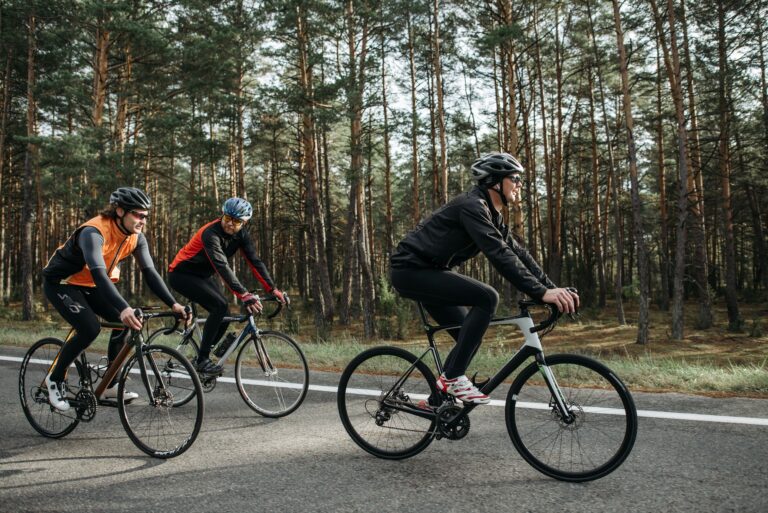
Stay seated for most climbing with head up, relaxed grip and still upper body. Seated riding is generally more efficient and sustainable. Save standing for steeper pitches, attacks or brief relief.
- Approach steep ramp: shift to an easier gear early
- Keep chest open and hands light on the bars
- Stand briefly to ease pressure, then sit and settle cadence
Which workouts build climbing fitness?
Start with about 3 x 8-minute climbing intervals with easy recoveries. Progress toward longer threshold blocks such as 3 x 15 minutes. FasCat Coaching recommends that path on a steady 2-6 percent climb at about 98-104 percent of FTP in its climbing workouts guide.
Add one focused climb session per week, then ride easy or rest. For mountain preparation, British Cycling recommends low-gear indoor sessions at intended climb cadence, power or heart rate. Raise the front wheel to mimic position and spin 80 rpm or higher rather than grinding.
How can you climb faster right away?
Sustainable power and low body weight drive climbing speed over time. CTS says pacing, gearing, position and fueling let riders go faster immediately. Choose a gear that protects cadence, eat and drink on schedule, and hold an efficient posture.
Add strength training for lasting gains. Coaches cited by Bicycling South Africa link a year-long combined strength-endurance program to higher FTP and lactate-threshold power alongside squat and leg-press gains in its five tips for better climbing. Expect progression across months, not days, and raise weights gradually with good form.