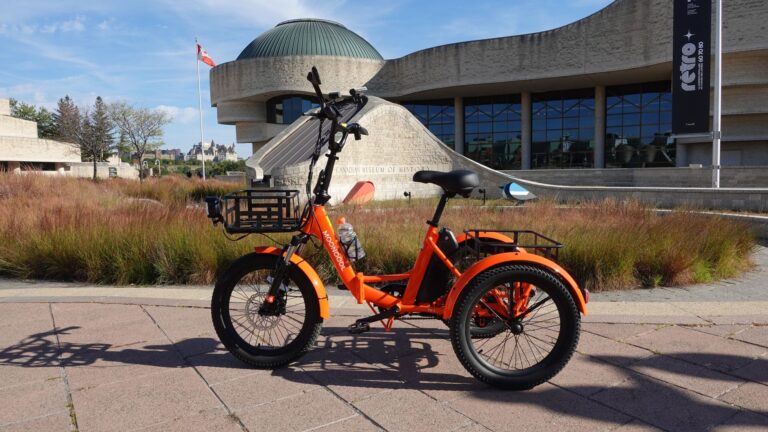
To inspect a compact-wheel bike before buying, check frame alignment, wheel true, chain and gears, brake power, and riding fit in that order. A compact-wheel bike uses smaller-diameter wheels than a standard road or hybrid bike, often with a compact frame for storage and city riding. Work in good light and take a short test ride when possible. Small wheels respond quickly to steering and show wear clearly, so small faults matter more.
Table of Contents
- Is the frame straight and solid?
- Are the small wheels sound?
- Does the drivetrain run clean?
- Do the brakes stop you confidently?
- Does the riding position fit you?
Is the frame straight and solid?
Stand in front of the bike and sight along the frame for bends, dents, or paint cracks near welds. Pay close attention to the head tube, bottom bracket, and rear dropouts, where stress collects. If the bike folds, open and close each hinge and latch fully.
The clamps should lock with firm pressure and leave no wobble at the joint. Check the seatpost and stem for smooth movement without grit, slipping, or deep scratches. Walk away from rust inside the frame tubes, a loose hinge, or a crack at a weld. Surface scuffs are normal on a used city bike, but structural play is not.
Are the small wheels sound?
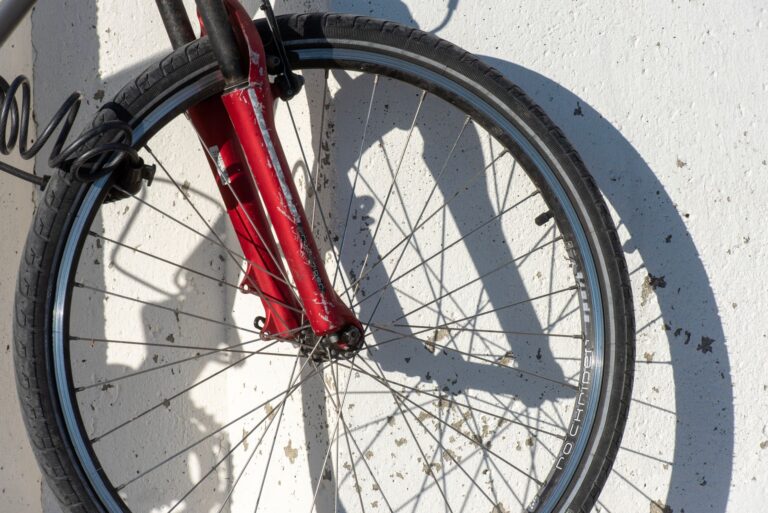
Spin each wheel and watch the rim gap at the brake pads. A small side-to-side wobble can be trued, but a flat spot, large hop, or cracked rim calls for replacement. Squeeze pairs of spokes to feel for loose, bent, or missing spokes.
Check tires for cuts, dry sidewalls, and worn tread. Small wheels wear tires faster and pick up road damage more readily, so confirm the listed tire size is still widely sold. Lift the wheel and spin the hub, then rock it side to side to feel for grinding or looseness.
- True rims with even spoke tension
- Tires seated evenly with no bulges
- Hubs that spin freely without play
Does the drivetrain run clean?
Pull the chain away from the front chainring and look for sharp, hooked teeth. A stretched chain skips under load on small wheels, so pedal hard briefly during a test ride. Shift through every gear and listen for steady engagement without slipping or loud grinding.
Look at cables, chain, and derailleur pulleys for rust, kinks, or stiff links. The derailleur hanger should sit vertical, and the chain should stay on over bumps. A fresh chain and tuned gears are cheap fixes, but worn cogs plus a bent hanger raise cost.
Do the brakes stop you confidently?
Squeeze each brake lever and confirm firm resistance before the lever nears the bar. Inspect pads for wear grooves, glazing, or uneven contact with the rim or rotor. Small wheels spin faster at a given speed, so weak pads lengthen stopping distance. Test both brakes separately at walking speed, then at riding speed in a safe area.
The bike should stop straight without squeal, shudder, or lever pulsing. Check cables for fraying and hydraulic lines for leaks, kinks, or soft lever feel. Replace glazed pads, stretched cables, or contaminated rotors before regular use. Ask for a brake adjustment if one wheel locks much earlier than the other.
Does the riding position fit you?
Set saddle height so your knee keeps a slight bend at the bottom of the pedal stroke. Then check reach: you should grip the bars with relaxed elbows and without pulling your shoulders forward. Small frames often use long seatposts and adjustable stems, so confirm enough safe adjustment remains for your height.
Ride over rough pavement, turn tightly, and stand for a short climb if allowed. Watch for toe overlap with the front wheel, twitchy steering, or heel strike on racks. Choose the bike that lets you start, stop, and look back without strain.