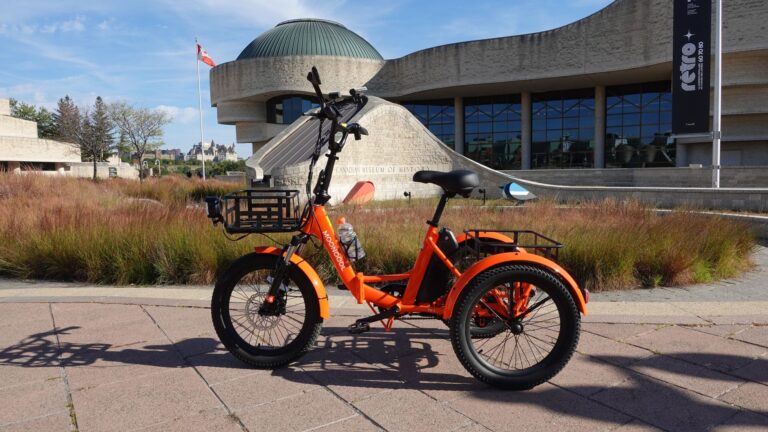
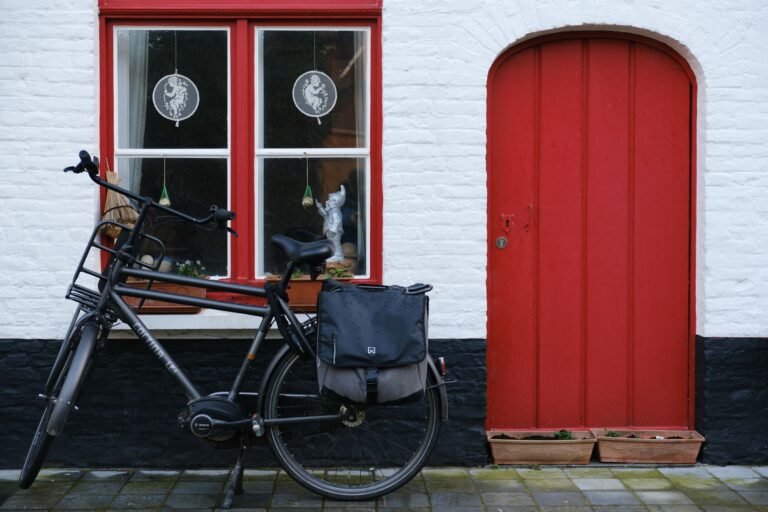
To inspect a beach cruiser before buying, check the frame for damage, spin the wheels for wobble and tire wear, and test the chain and gears under load. Then test both brakes for firm stopping power and ride briefly to confirm comfortable fit.
A beach cruiser is an upright bike with wide tires, swept-back handlebars, and a relaxed riding position made for flat ground. Work in daylight and bring no special tools for a first check. Lift, spin, squeeze, and ride through each system in the same order every time.
Table of Contents
- Is the frame straight and sound?
- Are the wheels round and the tires road-ready?
- Does the drivetrain run smoothly?
- Will the brakes stop you in control?
- Does the fit allow relaxed, upright riding?
Is the frame straight and sound?
Stand in front of the bike and sight along the frame and fork for bends or twists. Look closely at welds, which join the tubes, for cracks, ripples, or flaking paint that can hide rust. Feel under the down tube and chainstays for dents, deep scratches, and soft spots from corrosion.
Check steering by holding the front brake and rocking the bike forward and back. Looseness or knocking at the head tube, the bearing assembly that lets the fork turn, means worn steering bearings. Pass on a frame with a bent fork, cracked weld, or heavy rust blistering.
- crease or dent on a main tube
- paint lifting in bubbles over rust
- fork legs that do not mirror each other
- seat post or stem frozen in place
Are the wheels round and the tires road-ready?
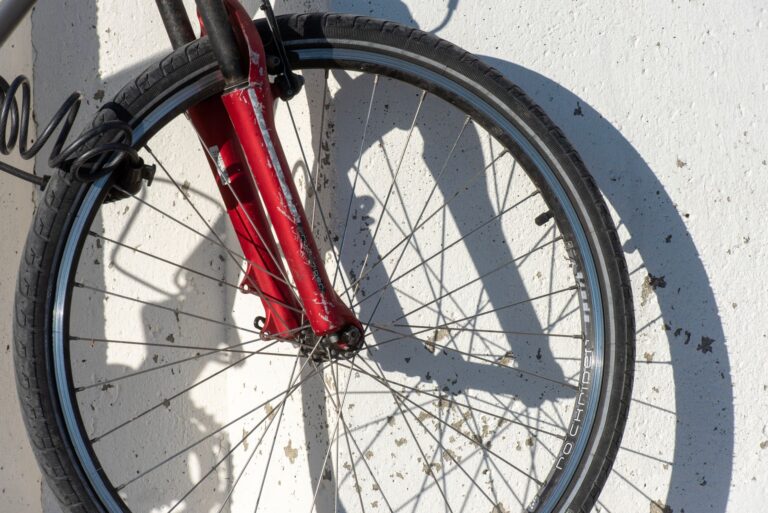
Spin each wheel and watch the rim edge against the brake pad. Side-to-side wobble means the wheel is out of true, and a sharp hop can signal a bent rim. Squeeze pairs of spokes for even tension and listen for rattles that suggest loose spokes.
Check hubs, the center bearings, by gripping the tire and pushing side to side for play. Inspect tires for dry cracks, bald centers, bulges, and exposed threads. Look for frayed brake tracks and loose axle nuts.
Does the drivetrain run smoothly?
A drivetrain moves power from pedals to wheel through chain, chainring, rear cog or gears, and crank bearings. Turn the pedals backward slowly and watch for stiff links, skipping, heavy rust, or sag. Then pedal forward hard for a few strokes and listen for grinding at the bottom bracket, the bearing set around the cranks.
On a single-speed cruiser, chain slack should allow only slight up-and-down movement. On a multispeed cruiser, shift through every gear while pedaling and confirm each shift catches without delay or chain drop. Reject slipping gears, jumping chain, bent teeth, or wobbling cranks.
Will the brakes stop you in control?
Many cruisers use a coaster brake, engaged by pedaling backward, often paired with front and rear hand brakes. Roll the bike and engage each brake alone to confirm independent stopping. Hand levers should pull firm before reaching the handlebar, then snap back cleanly.
Inspect rim pads for wear, hardening, and alignment with the rim rather than the tire. Check cables for fraying, kinks, rust, and cracked housing. Walk away from spongy levers, sticking cables, thin pads, or a coaster brake that slips or locks suddenly.
Does the fit allow relaxed, upright riding?
Fit decides comfort and control more than color or accessories. Stand over the top tube with both feet flat and confirm clearance without pressure. Set saddle height so your knee keeps a slight bend at the bottom of the pedal stroke.
Sit upright and reach for the bars without locking elbows or sliding forward. Take a short test ride over bumps and a turn, then brake hard from slow speed. Walk away from a bike you cannot test-ride in comfort.