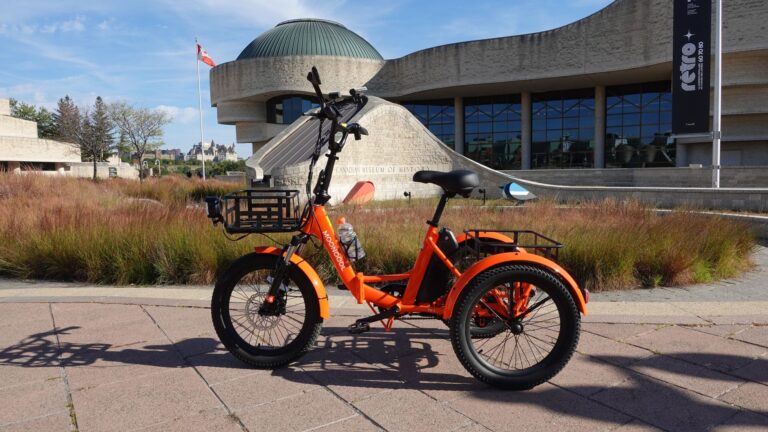
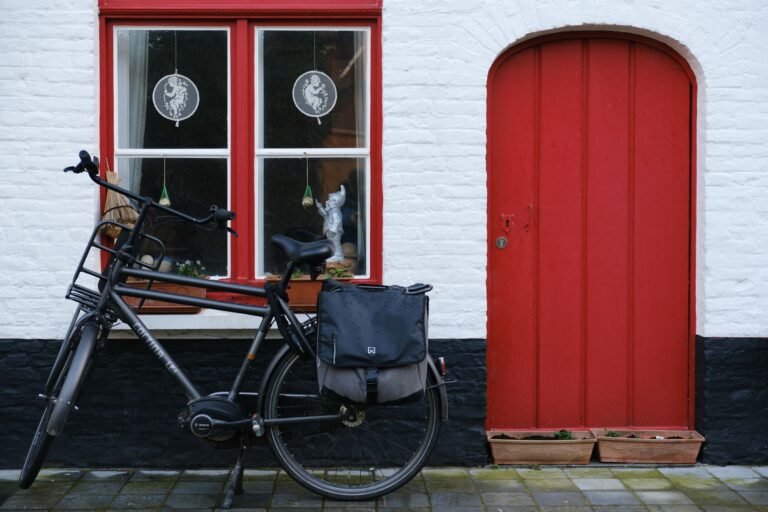
Inspect a comfort bike by checking the frame for damage, spinning the wheels, shifting through all gears, squeezing both brakes, and taking a short test ride for fit. A comfort bike is an upright, cushioned bike built for relaxed rides on pavement and smooth paths. Look at the bike in daylight and work from front to back. Small flaws like loose bolts are easy to fix, while cracks, bent wheels, or weak brakes mean you should walk away.
Table of Contents
- Does the frame match comfortable riding?
- Are the wheels and tires sound?
- Will the gears shift cleanly?
- Do the brakes stop smoothly?
- Does the fit feel relaxed?
Does the frame match comfortable riding?
Look for a low step-over frame that lets you put both feet down easily. The riding position should feel upright, with wide handlebars close to you and a wide, padded saddle.
Check welds and tubes for cracks, dents, dents with sharp creases, and rust bubbles. Run a finger along the top tube, down tube, seat stays, and fork legs, and check that the handlebar and seatpost clamps hold tight without slipping.
Are the wheels and tires sound?
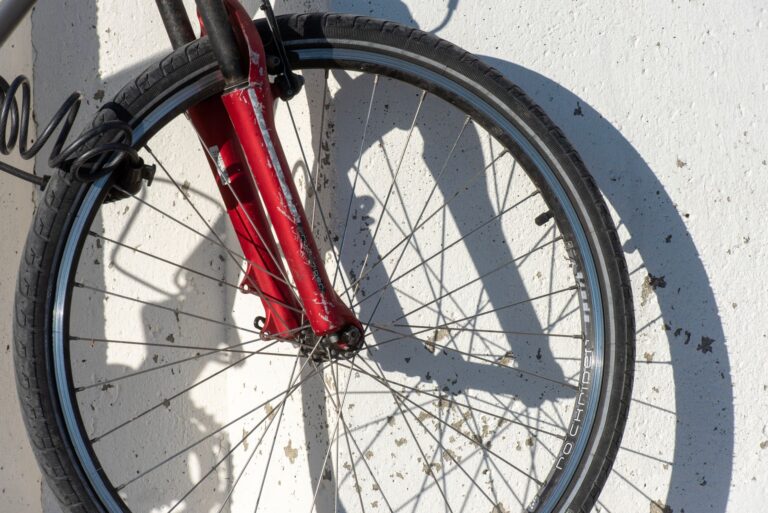
Lift each end and spin the wheel. It should turn freely without rubbing the brake or frame, and the rim should not wobble side to side.
Comfort bikes often use wider tires for stability and cushioning. Tires with cracked sidewalls or visible casing threads will need replacement soon.
- Look for loose or broken spokes, cracked rims, and worn or bulging tires
- Squeeze the tires to confirm they hold air and check tread for flat spots
- Confirm quick-release levers or axle nuts are tight and seated straight
Will the gears shift cleanly?
Most comfort bikes use simple gears with a twist or trigger shifter. Shift through every gear while pedaling slowly and watch for skipping, grinding, or a chain that falls off.
Look at the chain, cassette, and chainrings for heavy rust, stiff links, or sharp, hooked teeth. A light surface film can clean off, but a stretched or rust-frozen chain usually signals missed maintenance.
Do the brakes stop smoothly?
Squeeze each brake lever separately. Each lever should feel firm before it reaches the handlebar, and each wheel should stop without squealing, grabbing, or dragging when released.
Check pads for even wear and alignment with the rim or rotor. Look for frayed cables, kinked housing, leaking hydraulic lines, and bent rotors or worn rims.
Does the fit feel relaxed?
Set saddle height so your leg has a slight bend at the bottom of the pedal stroke. Handlebars should be near seat height so your back, neck, and shoulders stay relaxed.
Bring the shoes and clothing you plan to ride in. A five-minute ride reveals more about fit than measurements alone.
- Test ride on flat ground, turn both ways, and brake hard from slow speed
- Watch for knee pain, reaching for bars, sliding forward, or numb hands
- Ask for a different stem, saddle position, or frame size if you feel stretched or cramped