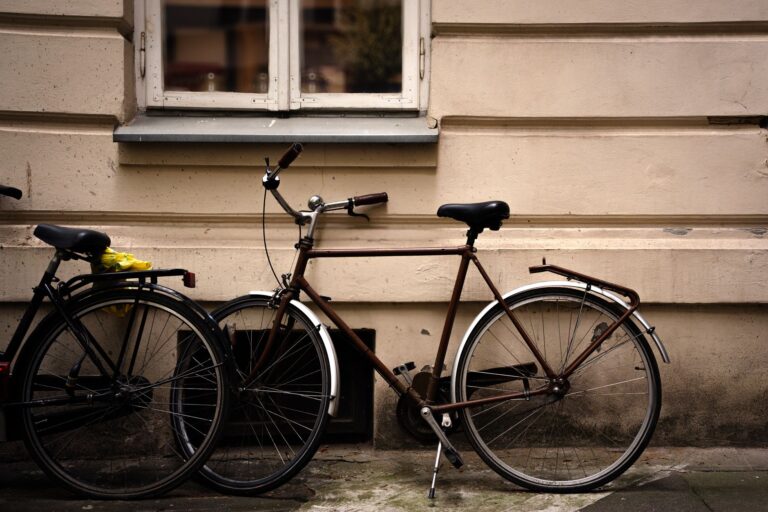
An audax bike is a road bike designed for long-distance, largely self-supported rides where comfort, reliability, and carrying capacity matter. It typically combines stable endurance geometry with practical components, producing an efficient but composed ride suited to all-day events, commuting, and light touring. "Audax bike" is not a tightly regulated category, so designs vary. Some resemble fast endurance road bikes; others sit closer to traditional light tourers.
Table of Contents
- Geometry built for long hours
- Components that support distance
- What does an audax bike feel like?
- Audax, endurance, touring, or gravel?
- Who should choose one?
Geometry built for long hours
audax geometry usually places the rider less aggressively than race geometry. A taller front end and moderate reach reduce strain on the neck, shoulders, hands, and lower back during long rides. Designers may use a slightly longer wheelbase and calmer steering than on a racing bike.
These choices improve stability when descending, riding tired, or carrying a small load, although exact measurements vary by frame size and maker. fit matters more than the label. A theoretically comfortable frame can still cause pain if its reach, handlebar position, saddle, or crank length does not suit the rider.
Components that support distance
An audax bike normally uses familiar road-bike controls and multiple hand positions. Gearing often extends lower than traditional racing gearing because steep climbs feel harder after several hours, especially with luggage.
Useful equipment may include: No single item is mandatory. A minimalist machine may carry only a saddlebag and rechargeable lights, while a year-round build may have full mudguards, a dynamo system, and several bottle cages.
- Wide-range gears for tired legs and loaded climbs
- Reliable disc or rim brakes with easily sourced parts
- Durable wheels with conventional spokes
- Tires wide enough for comfort on rough pavement
- Mounts for mudguards, bottles, lights, and small bags
What does an audax bike feel like?
A well-chosen audax bike should feel efficient without demanding constant attention. It may respond less sharply than a race bike, but its steadier handling can become an advantage as fatigue builds or road surfaces deteriorate. Wider tires at suitable pressures soften broken asphalt and reduce vibration.
They do not automatically make a bike slow; tread, casing, pressure, and aerodynamics also affect real-world speed. Loaded handling deserves attention. A small saddlebag often changes little, while a heavy rear load can make steering feel light or encourage frame flex. Test the complete setup before a long event rather than discovering handling problems after dark.
Audax, endurance, touring, or gravel?
An endurance road bike can make an excellent audax bike if it accepts suitable tires, bags, lights, and enough bottles. The main limitation is often practical clearance or a shortage of mounting points rather than frame performance. A touring bike usually carries heavier luggage and prioritizes strength and very low gearing.
It may feel slower and more deliberate than an audax bike but works better for camping equipment or extended travel. A gravel bike adds clearance for larger tires and often has lower gears. It offers more versatility on unpaved roads, although knobby tires, very upright positioning, or wide flared bars may sacrifice some speed on long paved routes.
Who should choose one?
An audax-style bike suits riders who expect long paved rides, changing weather, darkness, or limited access to outside support. It can also serve as a practical commuter, winter road bike, credit-card tourer, or fast utility bicycle.
Before buying, check the details that determine whether the bike matches your plans: Choose a touring bike for heavy loads and a gravel bike for frequent rough tracks. For mostly paved distance riding, prioritize correct fit, dependable equipment, and usable tire clearance over whether the manufacturer calls the bike "audax.".
- Confirm that the lowest gear suits local hills
- Check tire clearance with mudguards installed
- Verify mounting points for the bags and bottles you need
- Make sure lights can run through the longest expected night
- Test whether controls remain comfortable from several hand positions