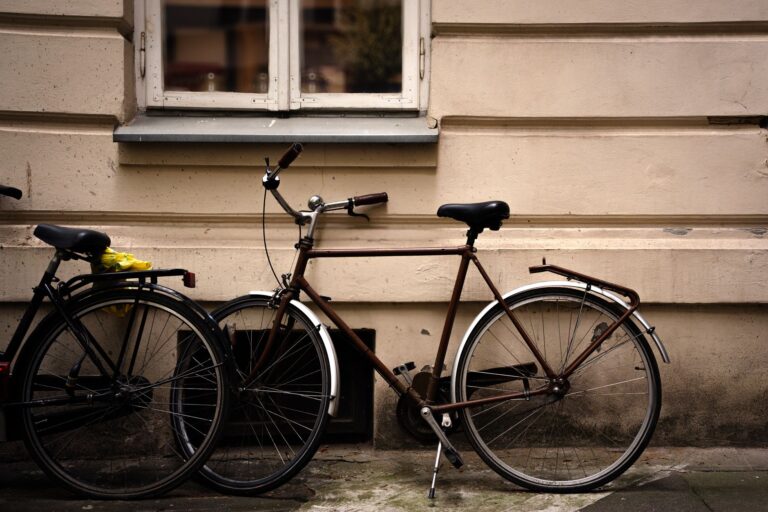
A randonneuring bike is a long-distance road bicycle designed for comfort, reliability, lighting, and carrying supplies through extended rides. Its geometry usually favors stability and an efficient all-day position, while its components prioritize dependable braking, practical gearing, and roadside serviceability. The category has no fixed technical standard. Some models resemble endurance road bikes with bags and lights; others follow traditional French designs built around front luggage, wide tires, and responsive steering under load.
Table of Contents
- Geometry built for distance and luggage
- Components that support long, unsupported rides
- How does a randonneuring bike feel?
- Where this bike works best
- How to choose the right setup
- Frequently Asked Questions
Geometry built for distance and luggage
Randonneuring geometry balances sustained efficiency with predictable handling. The rider generally sits less aggressively than on a racing bike, reducing strain on the neck, hands, and lower back without creating the upright posture of a city bike. A longer wheelbase can add stability on fast descents and rough roads. Adequate chainstay length also creates room for larger tires, fenders, and rear luggage while reducing the chance of a rider's heels striking panniers. Front-end design varies considerably.
Traditional randonneur bikes sometimes use low-trail geometry, which can make steering feel light and composed with a loaded handlebar bag. "Trail" describes how the head angle, fork offset, and wheel size influence steering behavior. Low trail is not automatically better. A bike designed for front luggage may feel unusually quick when ridden unloaded, while a conventional endurance bike may handle a small seat pack more naturally. Buyers should judge the geometry together with the intended luggage position.
Components that support long, unsupported rides
randonneuring places more value on dependable operation than marginal weight savings. Components should continue working in rain, darkness, steep terrain, and places where replacement parts are difficult to find. Useful equipment commonly includes: Many dedicated builds use a hub dynamo, which generates electricity at the front wheel. It can power fixed lights without relying entirely on charged batteries.
Battery lights can still work well, but their runtime and charging plan must match the expected ride length. Disc brakes offer strong control and generous tire clearance. Rim brakes can be lighter and mechanically simple, but wheel and brake condition matter more in prolonged rain. Neither system alone determines whether a bicycle suits randonneuring.
- Low climbing gears for hills, fatigue, and added luggage
- Reliable brakes with good wet-weather control
- Wider, supple tires that reduce vibration on imperfect pavement
- Full-length fenders for wet roads
- Secure mounts for bottles, racks, bags, and lights
How does a randonneuring bike feel?
A well-matched randonneuring bike should feel calm without becoming difficult to steer. It may respond less sharply than a race bike, yet it should hold a line easily when the rider is tired, eating, checking directions, or descending with luggage. Wider tires at suitable pressures help isolate the rider from coarse pavement and small impacts. Frame material can influence weight, construction, and repair options, but tire choice, fit, wheel design, and luggage placement often produce more noticeable changes in comfort.
Load placement can transform the ride. A large rear load may make the front wheel feel light, while excessive handlebar weight can slow or destabilize a bike not designed for it. Pack the heaviest items low and secure, then test the complete setup before a major event. Comfort should not mean excessive flexibility or vague handling. Persistent wobbling, front-wheel shimmy, brake rub under load, or difficulty controlling the bike with one hand signals a setup problem that deserves attention.
Where this bike works best
A randonneuring bike suits brevets, audax-style rides, long road events, overnight trips, and personal endurance rides. These outings often require riders to navigate, manage food and clothing, and solve minor mechanical problems without continuous support. It can also serve as a capable year-round road bike. Fenders, lighting, durable tires, and carrying capacity make the same design useful for commuting, long club rides, and light touring.
It is less suitable for riders focused on short, fast races, technical mountain-bike trails, or heavily loaded expeditions. A race bike offers a more aerodynamic and immediate feel, while a touring bike usually accepts larger loads and may favor slower, more stable steering. Surface conditions set another limit. Generous tire clearance can make a randonneuring bike effective on maintained gravel, but "randonneuring" does not guarantee off-road capability. Tire volume, frame clearance, braking, and wheel strength determine what rough surfaces it can handle safely.
How to choose the right setup
Start with fit, because no collection of distance-oriented parts can correct a painful riding position. The rider should be able to use more than one hand position, reach the brakes confidently, and pedal without excessive rocking or joint strain. Then match the bicycle to the luggage and terrain: Inspect mounting points rather than assuming a bike accepts every accessory.
A frame may have rack eyelets but insufficient heel clearance, limited fork capacity, or no safe way to support a large handlebar bag. For an existing endurance bike, practical upgrades may be enough. Suitable tires, lower gearing, reliable lights, comfortable contact points, and stable luggage can create an effective randonneuring setup without buying a purpose-built frame.
- Choose lower gearing if the route includes long climbs or frequent hills.
- Confirm tire and fender clearance with the actual tire width you plan to use.
- Select front, frame, saddle, or rear bags before judging handling.
- Check that lights remain visible when every bag is fitted.
- Carry tools and spares that match the installed fasteners, tubes, tires, and chain.
Frequently Asked Questions
Is a randonneuring bike the same as a touring bike?
Not exactly. Randonneuring bikes generally emphasize efficient road speed with moderate luggage, while touring bikes often prioritize stability and capacity under heavier loads.
Must a randonneuring bike have drop handlebars?
No. Drop bars provide several hand positions and aerodynamic options, but another handlebar can work if it supports comfortable position changes and secure brake control.
Can a carbon road bike be used for randonneuring?
Yes, if it fits properly and supports the required tires, lighting, gearing, and luggage. Follow the manufacturer's limits for clamping bags, mounting accessories, and carrying weight.