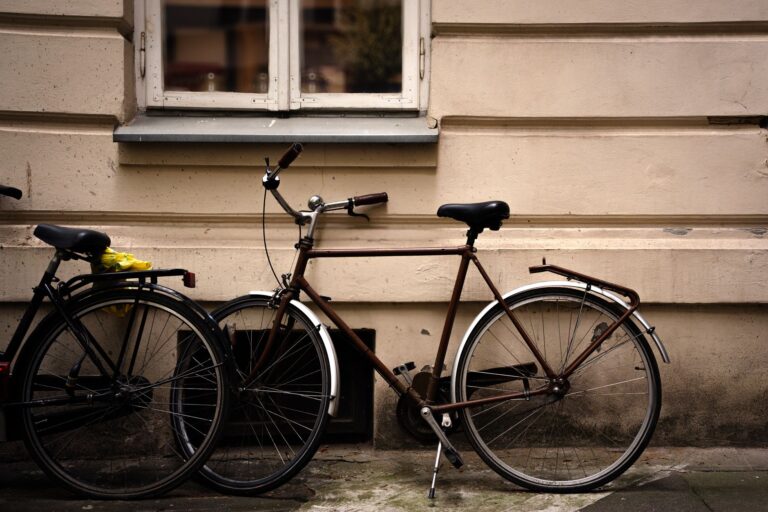
A randonneuring bike should place you in a sustainable position while remaining stable, controllable, and easy to adjust over long distances. Use stack and reach to shortlist frame sizes, wheelbase and related geometry to assess handling, then confirm the choice on a realistic test ride. Randonneuring means completing long, timed road rides with substantial self-sufficiency. Fit therefore matters beyond speed: you need comfortable contact points, several usable hand positions, steady handling, and room for lights, fenders, bottles, and luggage.
Table of Contents
- Start with a sustainable riding position
- What stack and reach actually tell you
- Wheelbase does not determine handling alone
- Check the complete cockpit and equipment fit
- Run a purposeful test ride
Start with a sustainable riding position
Choose the smallest reasonable amount of saddle-to-handlebar drop, not the lowest position you can tolerate briefly. You should reach the brake hoods with relaxed shoulders, slightly bent elbows, and no need to lock your arms or slide forward. Set saddle height and fore-aft position before judging the cockpit. A saddle that is too high can cause hip rocking or reaching at the bottom of the stroke.
One that is too low can overload the knees, although pain can have many causes and needs individual assessment. Do not treat "kneecap over pedal spindle" or any single joint angle as a universal rule. Body proportions, mobility, injuries, crank length, shoes, and riding style all affect a workable position. Persistent pain, weakness, or numbness warrants help from a qualified bike fitter or clinician.
What stack and reach actually tell you
Stack is the vertical distance from the bottom bracket to the top of the frame's head tube. Reach is the horizontal distance between those points. Together, they compare the height and length of frames more reliably than nominal labels such as 54, medium, or large. More stack generally makes a higher handlebar position easier to achieve. More reach creates a longer starting point for the cockpit. Neither number gives the final hood position because stems, spacers, handlebar reach, hood placement, and bar rotation also matter.
Compare candidates against a bicycle that already fits, using its published stack and reach when available. Then account for component differences. A frame with 10 millimetres more reach may still produce similar hand placement with a shorter stem or compact-reach handlebar. Avoid a frame that requires extreme corrections. A tall spacer tower, sharply rising stem, or exceptionally short stem may signal that the frame's proportions do not suit the intended position. Adjustment limits also depend on the fork steerer, headset, and manufacturer instructions.
Wheelbase does not determine handling alone
Wheelbase is the distance between the front and rear wheel axles. A longer wheelbase often contributes to steadier handling and creates more room for tires, fenders, and bags. A shorter wheelbase can feel more responsive, but those tendencies are not guarantees.
Handling also depends on front-center distance, chainstay length, head angle, fork offset, trail, tire size, weight distribution, and luggage placement. Two bicycles with equal wheelbases can therefore steer and carry loads differently. For randonneuring, inspect the geometry as a system:.
- Adequate front-center distance reduces the chance of a shoe touching the front tire or fender during slow turns.
- Longer chainstays can improve heel clearance around rear panniers or large saddle bags.
- Sufficient tire and fender clearance supports wet-weather use without dangerous rubbing.
- Stable unloaded handling does not guarantee stability with a heavy handlebar or front bag.
- Very slow steering can become tiring when climbing, correcting a line, or riding in crosswinds.
Check the complete cockpit and equipment fit
Frame geometry tables cannot show every contact-point problem. Confirm that the saddle adjustment range, stem options, handlebar shape, brake-hood position, and crank length can support the intended setup without exceeding component limits. On the hoods, you should brake and shift without stretching your fingers or rotating your wrists sharply. The tops should offer a genuinely different resting position. The drops should remain usable for braking and descending, not merely exist as a position you avoid.
Check practical clearances with the equipment you plan to use. Turn the bars fully and look for shoe, bag, cable, and fender interference. Verify that a front bag will not press brake hoses or control cables, and that lights remain visible when luggage is installed. Integrated cockpits and internally routed systems can make later changes expensive or difficult. Before buying, ask which stems, bars, spacers, seatposts, and replacement parts are compatible with the bicycle.
Run a purposeful test ride
A parking-lot lap can expose a gross sizing error but cannot establish long-distance comfort. If possible, ride for at least an hour on flat roads, climbs, rough pavement, descents, and repeated stops.
Use your normal shoes and approximate saddle height, and test the intended luggage arrangement when permitted. During the ride, check: Treat increasing numbness, one-sided pain, repeated saddle shifting, hand pressure, or difficulty reaching the brakes as warning signs. Minor saddle, hood, and stem changes may solve a small mismatch, but do not buy a doubtful size on the assumption that discomfort will disappear after several hundred kilometres.
- Can you hold the hoods without creeping forward on the saddle?
- Can you bend your elbows while keeping your shoulders and hands relaxed?
- Can you use every hand position without wrist strain or excessive weight on your palms?
- Can you look ahead comfortably without forcing your neck upward?
- Does the bike track predictably when braking, climbing slowly, and descending?