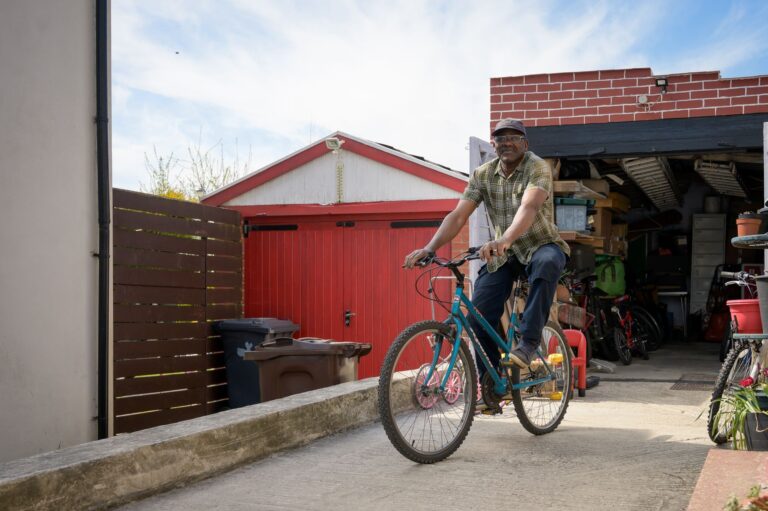
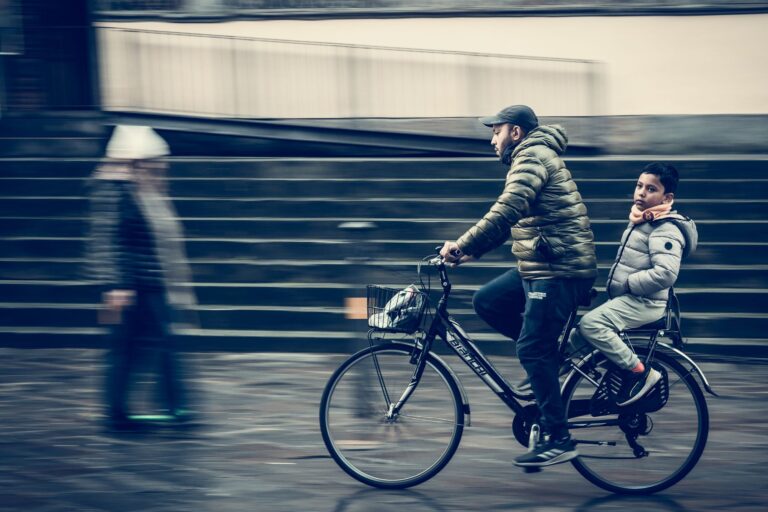
Bike commuting mistakes usually involve poor route choices, rushed preparation, neglected maintenance, or unsafe road positioning. Practical fixes include planning extra time, adjusting the bike, carrying basic repair gear, and making yourself predictable in traffic. Bike commuting means using a bicycle for regular trips such as traveling to work or school. A reliable commute depends less on speed than on comfort, consistency, and preparation for ordinary problems.
Table of Contents
- Choose a route you can ride consistently
- Fix discomfort before it becomes pain
- Prevent common mechanical delays
- Be visible and predictable in traffic
- Manage clothing and cargo
- Plan for parking and failed rides
Choose a route you can ride consistently
The fastest driving route is rarely the best cycling route. Busy intersections, narrow lanes, steep hills, and frequent stops can make a short trip stressful or slow. A slightly longer route may offer calmer streets, better pavement, or protected bike lanes. Test an unfamiliar route when you are not rushing.
Note difficult turns, construction, poor lighting, and places where water collects after rain. Check whether your preferred route still feels safe during the actual commuting period. Allow time for traffic, changing clothes, locking the bike, and small mechanical delays. If the ride normally takes 25 minutes, leaving exactly 25 minutes creates pressure to speed or take unnecessary risks.
Fix discomfort before it becomes pain
A saddle set too low can make pedaling inefficient, while one set too high can cause rocking at the hips. As a starting point, your knee should remain slightly bent when the pedal reaches its lowest position. Make small adjustments and stop if pain develops. Reach matters too.
Tingling hands, a strained neck, or excessive pressure on the wrists can indicate poor handlebar position or a bike that does not fit well. A bike shop can help when simple saddle or handlebar adjustments do not resolve discomfort. New commuters also tend to ride too hard. Use a pace that lets you arrive without needing a long recovery, and shift into an easier gear before hills or stops. Consistent, moderate rides usually become easier as your body adapts.
Prevent common mechanical delays
A quick inspection catches many problems before departure. Squeeze the brake levers, check that both wheels are secure, inspect the tires, and confirm that the chain moves smoothly. Investigate new rubbing, clicking, or wobbling instead of assuming it will disappear.
Tire pressure needs regular attention because both underinflation and excessive pressure can reduce control or cause problems. Stay within the tire and rim manufacturers' limits, then adjust for rider weight, tire width, road surface, and comfort. Carry tools that match your bike: Practice removing a wheel and repairing a flat at home. A complete repair kit is not useful if an unfamiliar axle, brake, or tire prevents you from using it beside the road.
- A compatible spare tube or tubeless repair plug
- Tire levers
- A small pump
- A suitable multitool
- A patch kit as a backup
Be visible and predictable in traffic
Visibility involves more than bright clothing. Use a white front light and red rear light after dark or in poor conditions, and keep reflectors clean. Local rules may specify required equipment, mounting positions, or operating hours. Ride in a steady line and signal early when it is safe to remove one hand from the bars.
Avoid sudden movements between parked cars and moving traffic. Drivers and other cyclists respond better when your position and direction remain clear. Leave enough space from parked vehicles to avoid an opening door. At intersections, do not assume a driver has seen you because you can see the vehicle. Reduce speed, watch wheel movement, and prepare to brake when another road user could cross your path.
Manage clothing and cargo
Overdressing can leave you soaked with sweat, especially when the morning feels cold. Use layers that can be opened or removed, and start slightly cool unless the weather creates a genuine cold-exposure risk. Waterproof outerwear may block rain but can also trap heat. Loose trousers, laces, and straps can catch in moving parts.
Secure them before riding, and keep bags away from wheels and pedals. Fenders can make wet commutes more manageable by reducing spray from the tires. Do not hang shopping bags from the handlebars because they can swing into the wheel or disrupt steering. A rack with panniers usually carries heavier loads more securely than a backpack. Whatever system you use, distribute the weight evenly and confirm that nothing can shift.
Plan for parking and failed rides
A weak lock or poor attachment point can undermine an otherwise successful commute. Secure the frame to a fixed rack with a sturdy lock, and protect easily removed wheels when necessary. Avoid objects that can be lifted, cut, or unscrewed.
Remove lights, computers, bags, and other detachable accessories when leaving the bike unattended. For an electric bike, follow the manufacturer's instructions for battery removal, storage, and temperature limits. Decide in advance what you will do after a major mechanical problem, severe weather change, or illness. Keep a transit option, pickup contact, taxi plan, or safe walking route available, along with the tools needed to remove or repair a flat tire.