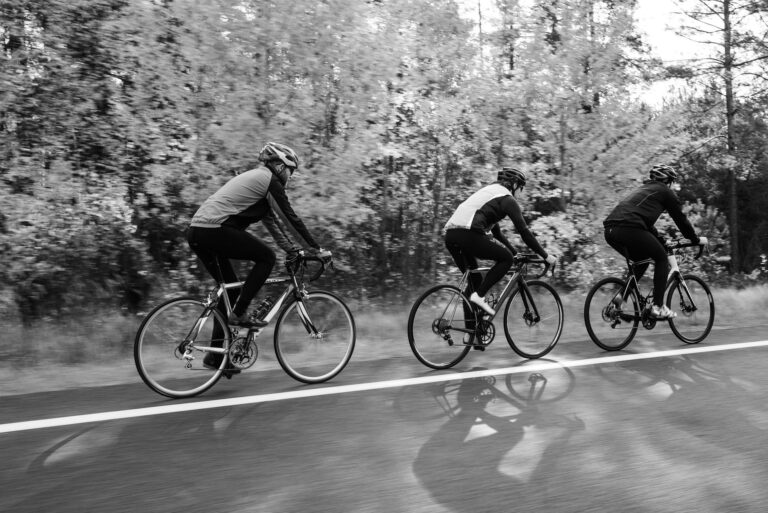
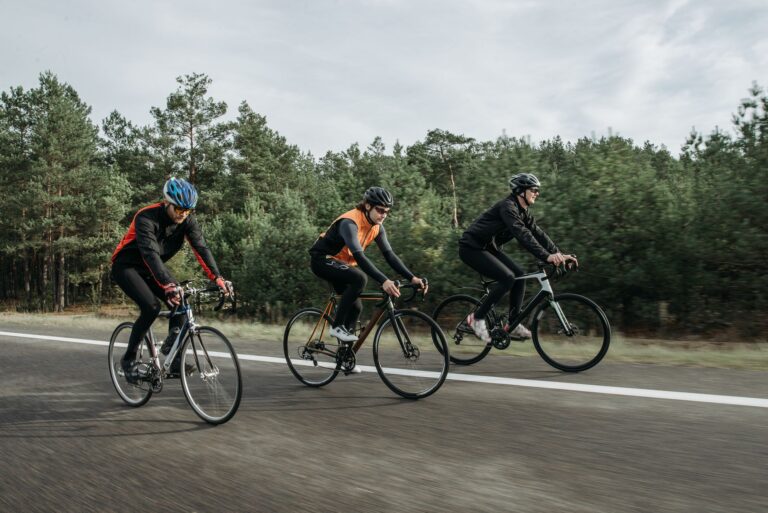
You do not need a special randonneuring bike; you need a dependable bicycle equipped for long distances, darkness, changing weather, and roadside problems. Randonneuring is timed, long-distance cycling between checkpoints, known as controls, with riders responsible for themselves between stops. Build the bike around reliability first, then comfort and carrying capacity. Upgrades should solve a specific problem, while maintenance should prevent avoidable delays.
Table of Contents
- Do you need a dedicated randonneuring bike?
- Build a self-sufficient setup
- Choose tires and pressure for the actual load
- Maintain the drivetrain before wear spreads
- Upgrade by solving the weakest link
Do you need a dedicated randonneuring bike?
Randonneurs USA permits any vehicle powered solely by its rider, so no particular frame material, handlebar style, or bicycle category is mandatory. Its Rules for Riders make suitability a practical question rather than an equipment classification. Start with the bicycle you already own if it can carry your supplies and operate reliably for the event's duration.
A new bike is difficult to justify when changes to tires, lighting, luggage, or routine maintenance would address the actual weaknesses. Judge any candidate bike by four questions: A highly specialized setup can create its own problems if replacement parts, adjustments, or repairs are unfamiliar. Familiar, serviceable equipment often offers more practical value than an upgrade chosen only because other riders use it.
- Can it carry water, food, repair supplies, and extra clothing securely?
- Can you mount the required lights firmly?
- Can you maintain it with tools and parts you understand?
- Does it remain manageable when loaded for the planned route and conditions?
Build a self-sufficient setup
RUSA requires riders to remain self-sufficient between controls. Follow-car support is prohibited, and personal support is allowed only at checkpoints, so the bike must carry realistic roadside-repair, food, water, and weather contingencies. Organize the load by urgency. Keep frequently needed food and clothing accessible, separate repair items from loose personal gear, and protect anything that must stay dry.
Confirm that bags do not obstruct steering, lights, reflectors, or access to controls. For night or low-light riding, RUSA requires firmly mounted, working front and rear lights, including at least one steady rear light. It also requires front-and-rear torso reflectivity and reflective ankle bands, while backup lights or bulbs are strongly recommended. Test the complete loaded setup before an event. The purpose is to find awkward access, insecure mounts, inadequate capacity, or unfamiliar equipment while corrections are still convenient.
Choose tires and pressure for the actual load
Set tire pressure for the combined weight of rider and luggage, while staying within the limits printed on the tire. A generic pressure copied from another cyclist may not suit your tire width, equipment load, or preferred balance of comfort and grip. Schwalbe explains that higher pressure favors rolling resistance, wear, and puncture resistance, while lower pressure favors comfort and grip.
Its inflation-pressure guidance also notes that wider tires allow lower pressures with fewer penalties, and tubeless tires can generally run slightly lower. These choices involve clear tradeoffs: Use a gauge instead of judging pressure by touch. Inner tubes continually lose air; Schwalbe considers roughly 1 bar per month normal and recommends checking at least monthly. Latex tubes require a check before every ride.
- Narrower or firmer setups may appeal to riders prioritizing the stated higher-pressure benefits.
- Wider tires allow lower pressure and may better suit riders prioritizing comfort and grip.
- Tubeless can expand the usable lower-pressure range, but pressure must remain within both tire and rim limits.
- Extra luggage changes the load, so pressure should be reconsidered when the packing list changes.
Maintain the drivetrain before wear spreads
Chain care is inexpensive compared with allowing wear to reach the cassette and chainrings. Check chain wear throughout the season and replace a worn chain before it accelerates wear of those more expensive components. For routine service, clean the chain, dry it, apply lubricant to each roller, and wipe away the excess. Shimano's chain-maintenance guidance says regular cleaning and lubrication improve drivetrain life and performance.
Select lubricant for the conditions rather than for a universal maintenance schedule. Dry lubricant stays cleaner but needs more frequent reapplication. Wet lubricant handles rain better, yet attracts more contamination and therefore requires more cleaning. Before a long event, inspect maintenance items early enough to correct problems and test the result. A standard 200-kilometer RUSA brevet allows 13½ hours, and poor maintenance does not qualify a rider for a late-finish waiver.
Upgrade by solving the weakest link
Prioritize upgrades that close a documented gap in the current setup. Required lighting comes before optional equipment, and enough carrying capacity comes before reducing weight.
Tires deserve attention when load, pressure, comfort, or grip cannot be balanced within the existing tire's limits. A sensible upgrade order is: Each addition has a cost beyond its purchase: more equipment must be mounted, packed, checked, and understood. Carry enough redundancy to handle credible failures, but make every item earn its place through a specific need.
- Meet lighting and reflectivity requirements.
- Add secure capacity for supplies and weather contingencies.
- Replace worn chains or other unreliable items.
- Reassess tire width, pressure range, and tube or tubeless choice.
- Add backups for equipment whose failure could prevent safe progress.