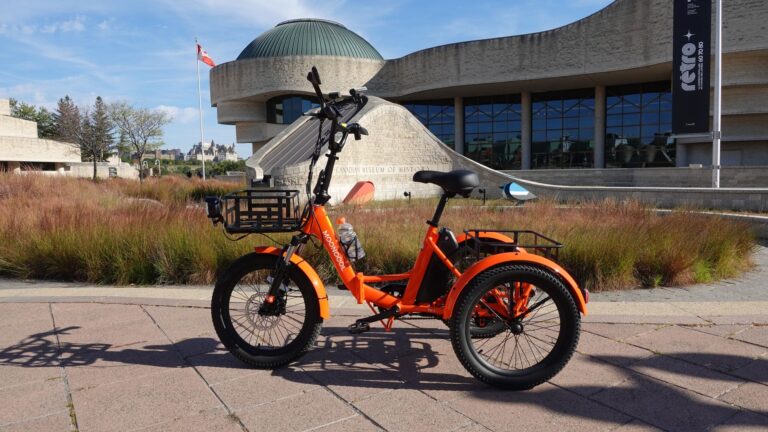
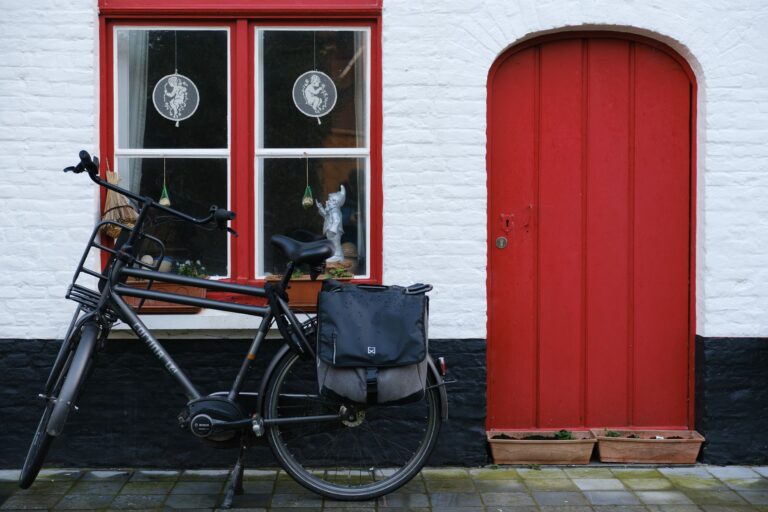
The best randonneuring bike is one that fits comfortably, handles predictably, carries essential gear, and remains easy to repair. A brevet is a timed, long-distance ride with checkpoints, usually completed with limited outside support. No frame material or bike category wins for every rider. Compare fit, tire clearance, gearing, braking, lighting, luggage capacity, and serviceability before judging weight or speed.
Table of Contents
- Start With Fit and Riding Position
- Compare Stability, Weight, and Frame Material
- Tires, Gearing, and Brakes
- Lighting, Luggage, and Bad-Weather Equipment
- Reliability and the Final Buying Test
Start With Fit and Riding Position
A sustainable position matters more than an aggressive racing posture. The correct setup should let you reach the bars without locking your elbows, straining your neck, or placing excessive pressure on your hands. Endurance road, all-road, touring, and purpose-built randonneuring bikes can all work. Their labels matter less than their dimensions.
Compare stack, reach, handlebar height, crank length, and available adjustment. Handlebar shape also affects comfort over many hours. Multiple usable hand positions help riders change pressure points, while padded tape can reduce discomfort without correcting a poor fit. Test the complete setup on consecutive long rides. Pain that appears after several hours may indicate a fit problem that a short shop ride cannot reveal.
Compare Stability, Weight, and Frame Material
A brevet bike should remain composed when the rider is tired, descending in darkness, or carrying food and clothing. Endurance-oriented geometry often provides calmer steering than a short-wheelbase race bike, though exact handling varies by model and size. Low weight can make climbing easier, but it should not come at the expense of fit, tire capacity, or luggage support. The lightest option may also feel less practical once lights, tools, water, and spare clothing are added.
Steel, aluminum, carbon fiber, and titanium can all suit randonneuring. Frame design, tire choice, fit, and load distribution usually affect the ride more directly than material alone. Inspect any prospective bike for sensible cable routing and accessible components. Proprietary seatposts, integrated cockpits, and unusual hardware can complicate adjustments or roadside problem-solving.
Tires, Gearing, and Brakes
Wider tires can improve comfort and control on rough pavement when used at an appropriate pressure. Confirm actual frame, fork, and fender clearance rather than relying only on the tire size printed on the sidewall. Choose gearing for the steepest expected roads after fatigue sets in.
A low climbing gear is often more valuable late in a brevet than tightly spaced high gears intended for fast group racing. Both rim and disc brakes can complete long-distance events, but each creates different tradeoffs. Disc brakes offer strong braking across varied conditions, while common mechanical systems may be simpler to inspect and service away from specialist support. Before buying, compare:.
- Maximum tire clearance with any planned fenders
- Lowest available gear and options for changing it
- Brake-pad availability and field adjustment
- Wheel and tire compatibility with supplies carried
- Space around the frame for bottles, bags, and cables
Lighting, Luggage, and Bad-Weather Equipment
Long brevets may require riding before sunrise, after dark, or through changing weather. The bike needs secure lighting, reflective equipment, and enough carrying capacity for food, tools, spare layers, and required documents. Battery lights are simple and transferable, but their runtime must cover the ride with a realistic margin. Dynamo systems generate power at the wheel and reduce charging concerns, although they add cost, wiring, and installation requirements.
Small saddlebags, top-tube bags, and handlebar bags suit different loads. Keep frequently used items accessible and avoid placing so much weight at one end that steering or climbing becomes awkward. Mounts for fenders, racks, extra bottles, and lights increase flexibility. Still, strap-on equipment can work when the frame lacks dedicated fittings, provided nothing rubs the tire, blocks a light, or interferes with control cables.
Reliability and the Final Buying Test
Favor parts that local shops stock and that you can adjust with carried tools. Standard fasteners, familiar wheel sizes, replaceable derailleur hangers, and conventional bearings can make unexpected repairs easier. Check the event organizer's current equipment rules before committing to a setup.
Lighting, reflective gear, mudguards, and other requirements can vary by event or organizing body. A practical evaluation should include: Do not make major fit, saddle, shoe, or drivetrain changes immediately before an important brevet. Complete the final test with the same bags, lights, clothing, tires, and tools planned for the event.
- A professional or carefully measured fit check
- A loaded ride over rough roads and sustained climbs
- A nighttime test of beam placement and battery runtime
- Practice fixing a puncture and removing both wheels
- Inspection for bag movement, cable rub, and heel interference