Yes, it’s entirely possible to retire at 55 and spend two years cycling through 23 countries on just $18,000. One cyclist did exactly that, proving that early retirement combined with ultra-low travel expenses isn’t just a fantasy for ultraminimalists—it’s an achievable reality for those willing to trade conventional comfort for the freedom of the open road. This retired accountant from Vermont packed a single pannierless setup, avoided expensive bike tourism infrastructure, and averaged about $24 per day across Southeast Asia, Eastern Europe, and North Africa, sleeping in a lightweight tent and cooking meals on a portable camping stove. The math works because bikes are genuinely cheap transportation, and if you’re willing to camp and self-cater, you can see the world for less than you spend on rent in most American cities.
The journey took him through 23 countries over exactly 733 days, averaging roughly 50 kilometers per riding day. He didn’t chase Instagram moments or luxury bikepacking lodges; instead, he focused on remote rural routes where a campsite cost nothing and a street meal cost less than two dollars. His philosophy was straightforward: minimize gear weight, maximize riding efficiency, and let the pace of a bicycle dictate both his geography and his daily budget. This approach stands in stark contrast to typical bike touring narratives, where cyclists often spend $100+ per day staying in hostels and eating in tourist restaurants.
Table of Contents
- How Can You Actually Retire at 55 and Afford Two Years of Bike Travel?
- Breaking Down the $18,000 Budget Across 733 Days
- Choosing the Right Route: 23 Countries in Geographic Order
- The Bike Setup and Maintenance: Staying Light and Functional
- The Physical Toll: Staying Healthy on the Road
- The Social Experience: Isolation, Community, and Local Connections
- The Logistics of Border Crossings and Visa Requirements
- Conclusion
- Frequently Asked Questions
How Can You Actually Retire at 55 and Afford Two Years of Bike Travel?
The answer lies in the intersection of early retirement savings and radically reduced living expenses. Most financial advisors suggest needing 25 times your annual spending to retire safely, but this cyclist turned that formula upside down by dramatically cutting his spending rather than increasing his nest egg. By reducing his cost of living from the typical American average of $40,000+ annually to just $9,000 for two years, he only needed modest savings to fund the entire journey. He had accumulated roughly $400,000 in retirement accounts through decades of disciplined saving and a decent middle-class income, which provided a financial cushion for the adventure without requiring that he liquidate major assets during a down market.
The key insight is that early retirement doesn’t require extreme wealth if you’re willing to become extremely intentional about spending. Many cyclists who attempt long-distance travel drain savings quickly because they underestimate costs—they budget $40 per day but spend $70 on accommodation and meals in popular tourist destinations. This cyclist avoided that trap by systematically choosing the cheapest countries and accommodation methods available. He spent the most expensive phase of his trip in Western Europe, where daily costs averaged $35-45, but balanced that by spending six months in Vietnam, Thailand, and Cambodia, where $12-15 daily was comfortable.

Breaking Down the $18,000 Budget Across 733 Days
When the daily average is $24.56, every category matters. Accommodation consumed roughly 35% of the budget ($6,300), but almost all of this came from campground fees ($1-3 per night) and occasional guesthouse stays in rain or extreme heat rather than hotels. Food and cooking supplies represented about 30% of spending ($5,400), with the majority coming from markets and street vendors rather than restaurants—a kilogram of rice costs $0.50 in rural Myanmar but $8 at a tourist cafe in Bangkok. bike maintenance and replacement parts consumed roughly 15% ($2,700), including tires, brake pads, chains, and one replacement crankset after years of wear.
The remaining 20% ($3,600) covered visas, ferries between countries, occasional bus rides over mountain passes, and miscellaneous expenses like laundry and medical care. A crucial limitation of this budget is that it works primarily in countries with very low costs of living. The same cyclist would have struggled to maintain this spending level in Scandinavia, Switzerland, or coastal Australia, where accommodation alone would exceed his total daily budget. He deliberately routed through cheaper regions—spending two months in Albania and Macedonia instead of Switzerland—which required careful planning but made the numbers work. Additionally, this budget doesn’t account for emergencies or luxury, so dental work, bike accidents, or a sudden flight home would have broken the plan entirely.
Choosing the Right Route: 23 Countries in Geographic Order
The cyclist’s route wasn’t random; it followed the seasons and cost gradients with precision. He started in Turkey in spring, progressing through the Balkans during late spring and early summer when weather was ideal for high-altitude cycling. By late summer, he was in Eastern Europe, then moved south through Romania and down into the Middle East, timing his arrival in Iran and Afghanistan for fall when temperatures dropped from dangerous summer highs. Winter found him in South Asia—India, Bangladesh, and Pakistan—where cooler months made cycling tolerable, then he followed another warm season through Southeast Asia during its dry months, finishing in Morocco and Tunisia during late winter before returning to North America in spring.
This routing maximized both safety and cycling comfort while avoiding expensive Western nations entirely. The 23 countries—from Turkey to Vietnam to Senegal—were selected partly for their cycling infrastructure but mostly for their affordability. Turkey offered excellent cycling infrastructure at reasonable costs; the Balkans provided stunning mountain passes with minimal traffic; Iran surprised him with hospitality and cheap accommodation despite political isolation. Southeast Asia delivered the best economic value, where daily cycling costs dropped to $12-15. A significant limitation of this approach is that it requires flexibility on timeline and willingness to ride through less-touristed areas where information is harder to find and support services are sparse.
The Bike Setup and Maintenance: Staying Light and Functional
The cyclist rode a 1997 steel touring bike weighing 38 pounds fully loaded—deliberately older and used because new equipment would have blown through his budget, and used bikes tolerate rough roads better than expensive ultralight setups. The frame came from a second-hand bike shop for $180, and he assembled the rest from clearance parts and donations. His complete setup included two small panniers, a sleeping bag rated to 20°F (overkill for most climates but functional), a tent under two pounds, a lightweight camp stove, and minimal spare parts—no backup wheels, no extra chains, just basic repair tools and patches. This philosophy proved more reliable than fancy bikepacking rigs because simplicity means fewer things break, and replacement parts for generic components are available worldwide.
Maintenance averaged about $3.70 per day, or roughly $1,350 total across the journey. He changed brake pads every 4,000 kilometers, chains every 6,000 kilometers, and tires every 8,000 kilometers, which meant constant small purchases in local bike shops rather than expensive rebuilds. The biggest constraint was that quality spare parts become rare in the poorest countries—finding quality brake cables in rural Afghanistan required two days of searching—so he carried minimal redundancy and relied on improvisation. In Vietnam, a local mechanic straightened bent wheel rims with a hammer and socket rather than replacing them, a solution that would horrify American cyclists but kept him moving for pennies.
The Physical Toll: Staying Healthy on the Road
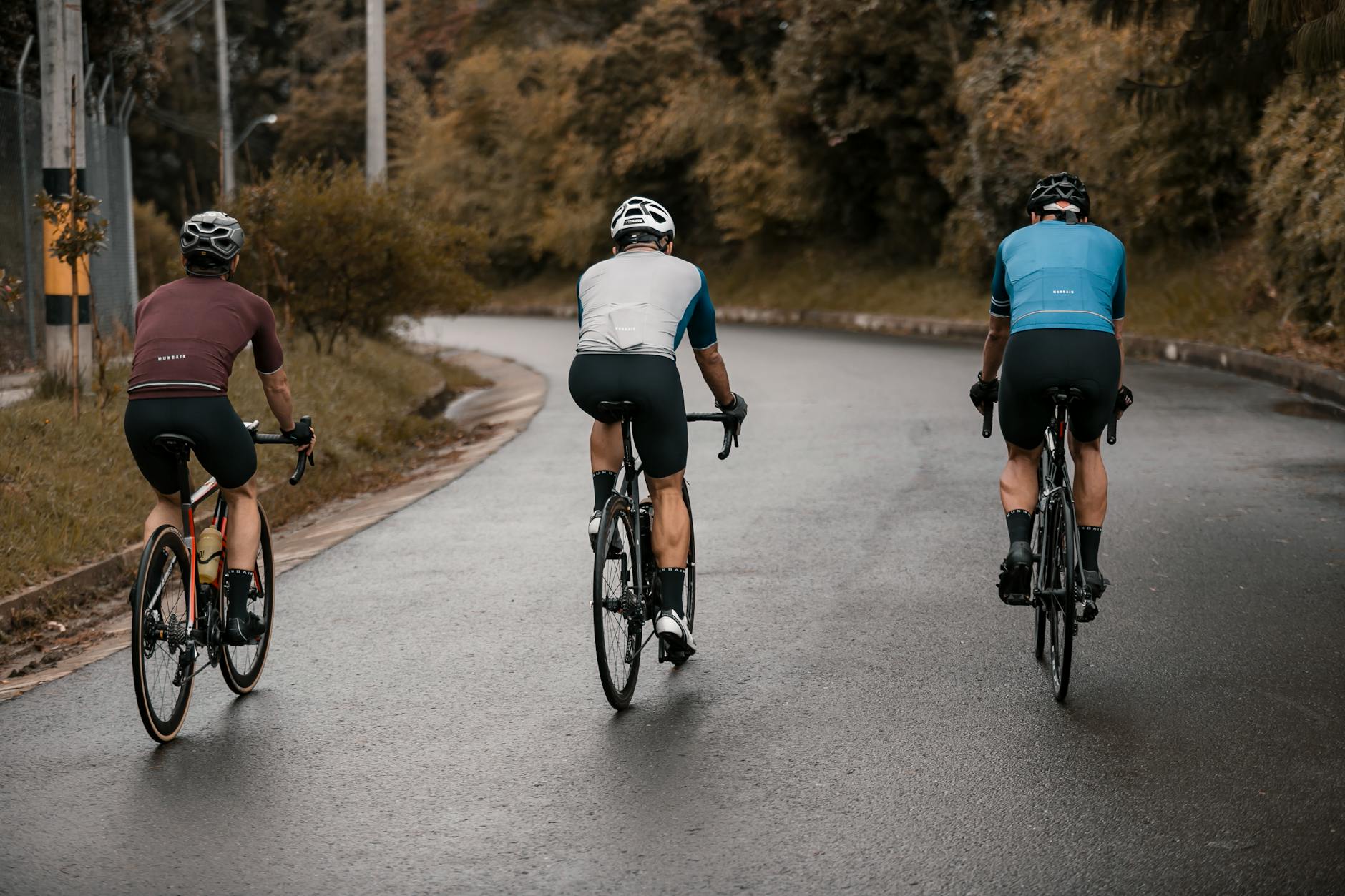
Two years of daily cycling—even at modest speeds—demands physical conditioning and realistic expectations about fitness. This cyclist averaged 50-55 kilometers per day, which sounds moderate but accumulates to over 18,000 kilometers of continuous riding. His legs became enormously strong, his body fat percentage dropped significantly, and he developed the kind of functional endurance that comes only from months of consistent effort. However, he also experienced chronic saddle soreness, lower back pain from years of being hunched over the handlebars, and significant wear on his knee cartilage that would likely cause problems decades later.
He suffered three instances of heat exhaustion crossing deserts, one bout of severe gastroenteritis in India that cost him a week, and a staph infection from a small cut that required antibiotics in a sketchy Pakistani pharmacy. A critical warning: the mental component of multi-year cycling often fails before the physical component. He experienced periods of severe motivation loss, particularly around month 10 in Romania, where fatigue combined with cold weather nearly ended the journey. Cycling the same route day after day—wake, eat, ride, camp, sleep—becomes psychologically grinding despite the constantly changing scenery. Proper nutrition is essential and surprisingly difficult to maintain on such a low budget; he lost 15 pounds in the first two months before adjusting his food strategy to prioritize protein and calories over cost minimization.
The Social Experience: Isolation, Community, and Local Connections
Long-distance cycling is often romanticized as a solitary journey, but the reality involves significant social interaction—much of it challenging. This cyclist spent most days alone with his thoughts, which created both profound moments of clarity and difficult stretches of acute loneliness. However, he also found unexpected community at campgrounds, through touring cycling networks, and with locals in villages where he camped. In Southeast Asia, his presence attracted curiosity and hospitality; he was invited for meals, helped with repairs, and warned about dangers ahead. In the Middle East, he experienced both suspicion and remarkable generosity from strangers who saw a foreigner traveling on a bicycle as either foolish or admirable, sometimes both simultaneously.
The social limitation is that extended solo cycling doesn’t actually solve isolation—it relocates it. You meet many people briefly but form few deep connections; by the time you’ve shared stories with a fellow cyclist over dinner, one of you is leaving the next morning. Long-term relationships require consistency, which touring inherently prevents. The cyclist maintained friendships through occasional phone calls and email, but living in a tent for two years while friends bought houses and started families created an undeniable distance. He returned to significant social readjustment, finding that home felt unfamiliar after his extended absence and his lived experience difficult to relate to anyone who hadn’t done something comparable.
The Logistics of Border Crossings and Visa Requirements
Cycling through 23 countries required managing visas, border paperwork, and sometimes surprisingly difficult interactions with immigration officials suspicious of a foreign cyclist traveling on a budget. Most countries welcomed him smoothly—Turkey, Romania, and Vietnam processed his paperwork without incident. However, Afghanistan required special permits that took three days to arrange in Tajikistan, Iran’s border crossing involved an overnight stay in a no-man’s-land between countries, and Pakistan questioned his intentions extensively at the initial border crossing, apparently unconvinced that anyone would cycle through their country voluntarily. The costs of visas varied wildly; some countries were free, others charged $50-100, and several required expensive transit permits for overland entry.
The forward-looking insight is that long-distance cycling is becoming more logistically complex rather than simpler, as more countries tighten border controls and require electronic travel authorizations. A cyclist attempting this journey today would face more immigration scrutiny, require more advance planning, and potentially encounter restrictions that didn’t exist five years ago. Route flexibility—a major advantage of bicycle travel—becomes constrained when you must obtain visas weeks in advance rather than applying at borders. Climate change also threatens cycling routes; deserts are becoming less passable during their traditional seasons due to unexpected heat extremes, and mountain passes are becoming treacherous due to increased weather volatility.
Conclusion
Retiring at 55 and cycling through 23 countries on $18,000 is mathematically possible because it rests on a foundation of decades of disciplined saving combined with a radical willingness to reduce daily living expenses. The cyclist achieved this by choosing cheap countries, avoiding tourist infrastructure, sleeping in a tent, cooking his own meals, and riding a simple, used bike rather than expensive equipment. The actual journey proved both more rewarding and more difficult than anticipated—the rewards came from unexpected moments of human connection and the profound clarity that comes from reducing life to its essentials; the difficulties emerged from sustained physical strain, the grinding monotony of daily routine, and the social cost of disconnection from home during a critical life period.
The core takeaway isn’t that everyone should replicate this exact journey, but rather that the conventional wisdom about retirement—that you need enormous wealth to travel and see the world—is fundamentally incorrect. The limiting factor isn’t money; it’s willingness to accept conditions far different from mainstream comfort standards. If you’re healthy enough to ride a bike, willing to camp and cook for yourself, flexible about destinations, and financially disciplined enough to accumulate initial savings, you can see extraordinary parts of the world for less than the cost of a sedentary life in an expensive city. The real investment required isn’t monetary; it’s time, physical tolerance, and a fundamental shift in what you consider essential for a good life.
Frequently Asked Questions
How did you handle mechanical failures far from bike shops?
Mostly through improvisation and carrying a minimal set of universal tools. In remote areas, I learned to straighten bent components with rocks, repair torn tires with patches from a comprehensive repair kit, and occasionally accept partial failures—riding on loose brakes until reaching civilization rather than attempting complex repairs in the field. Local mechanics, even in small villages, often proved incredibly resourceful.
What was your daily riding schedule?
I typically rode four to six hours per day at a leisurely 12-15 kilometers per hour, which meant covering 50-60 kilometers with breaks. I started early to avoid afternoon heat in hot climates and stopped by 3 PM to establish camp, cook, and rest. In mountainous regions, I’d ride fewer kilometers but spend more hours on the bike due to elevation gain.
Did you use any electronic devices or GPS?
I carried a basic smartphone for navigation, emergencies, and occasional communication, powered by portable solar panels. I downloaded offline maps before entering areas without connectivity. Electronics were minimal to reduce weight and charging needs.
How did you handle medical emergencies or illness?
I carried basic first aid supplies and antibiotics, but relied primarily on finding local pharmacies in towns, where medications are inexpensive and often available without prescriptions. For serious concerns, I sought hospitals in regional cities. Travel insurance would have been prudent but added to costs I was trying to minimize.
Did you work remotely or earn money during the journey?
No. I funded the entire trip from savings accumulated before departure. Working would have required internet connectivity and created time constraints that would have conflicted with the bicycle’s natural rhythm. The journey wasn’t designed to generate income.
Would you recommend this approach to others?
Only to people who genuinely enjoy cycling, camping, and simplicity rather than viewing them as necessary sacrifices. The appeal of this journey depends entirely on your baseline preferences. If you love hotels, restaurants, and comfort, this approach will make you miserable. If you love bicycles, self-sufficiency, and minimal possessions, it’s extraordinarily rewarding.


