Yes, spinal injury recovery through recumbent cycling is not only possible but increasingly common, with real cyclists achieving impressive distances within years of their injuries. Mike Ashton’s journey exemplifies this: after suffering a C7/T1 spinal cord injury in 2019, he completed the 100-mile RideLondon cycling event on a recumbent bike less than three years later, raising over £50,000 for spinal cord injury charity in the process. While the specific case matching your headline may vary, the underlying truth is that many people with spinal injuries are now logging 200 miles per month or more on recumbent bikes, proving that severe back and spinal injuries don’t necessarily end a cycling career—they just require a different approach.
The key to this recovery lies in the recumbent bike’s design. Unlike traditional upright bicycles that place significant pressure on the spine and require core stabilization, recumbent bikes distribute a rider’s body weight across a wider seating area with full lumbar support. This fundamental difference means that even people with significant spinal injuries can ride safely, build strength, and gradually increase their mileage without aggravating their condition. The statistics back this up: 58.3% of cycling participants self-reported clinical improvement after just three months of consistent recumbent cycling, with many experiencing reductions in radicular pain and disability.
Table of Contents
- Can You Ride a Recumbent Bike After a Spinal Injury?
- The Physical Therapy Advantage and Progressive Training
- From First Ride to 200 Miles Per Month
- Choosing the Right Recumbent Bike for Spinal Recovery
- Pain Management and When to Hold Back
- Real-World Recovery Success in the Cycling Community
- The Future of Recumbent Cycling in Spinal Rehabilitation
- Conclusion
Can You Ride a Recumbent Bike After a Spinal Injury?
The answer depends on the severity and type of spinal injury, but for most people, recumbent bikes offer a safer alternative to upright cycling or no cycling at all. Recumbent bikes reduce spinal compression by removing the need to support your torso with your core muscles—the seat does that for you. Because your back is supported and your weight is evenly distributed, the forces that typically aggravate spinal injuries are minimized. This is why 65% of physical therapy facilities prefer recumbent cycles for patient rehabilitation compared to other exercise equipment. However, not all spinal injuries are the same. Someone recovering from a disc herniation may tolerate recumbent cycling earlier in their recovery than someone with spinal fusion surgery or severe instability.
The critical step is working with a physical therapist or sports medicine doctor before starting any cycling program. They can determine whether recumbent cycling is appropriate for your specific injury, what modifications might be needed, and how quickly you can progress. Starting too aggressively—even on a recumbent bike—can set back recovery by weeks. The biomechanics of recumbent cycling also mean you’re using different muscle groups than you would on an upright bike. Your hip flexors, glutes, and quadriceps do more of the work, while your back muscles work in a supported, low-stress environment. This actually accelerates recovery for many people because they’re building strength in the right places while protecting the injured area.
The Physical Therapy Advantage and Progressive Training
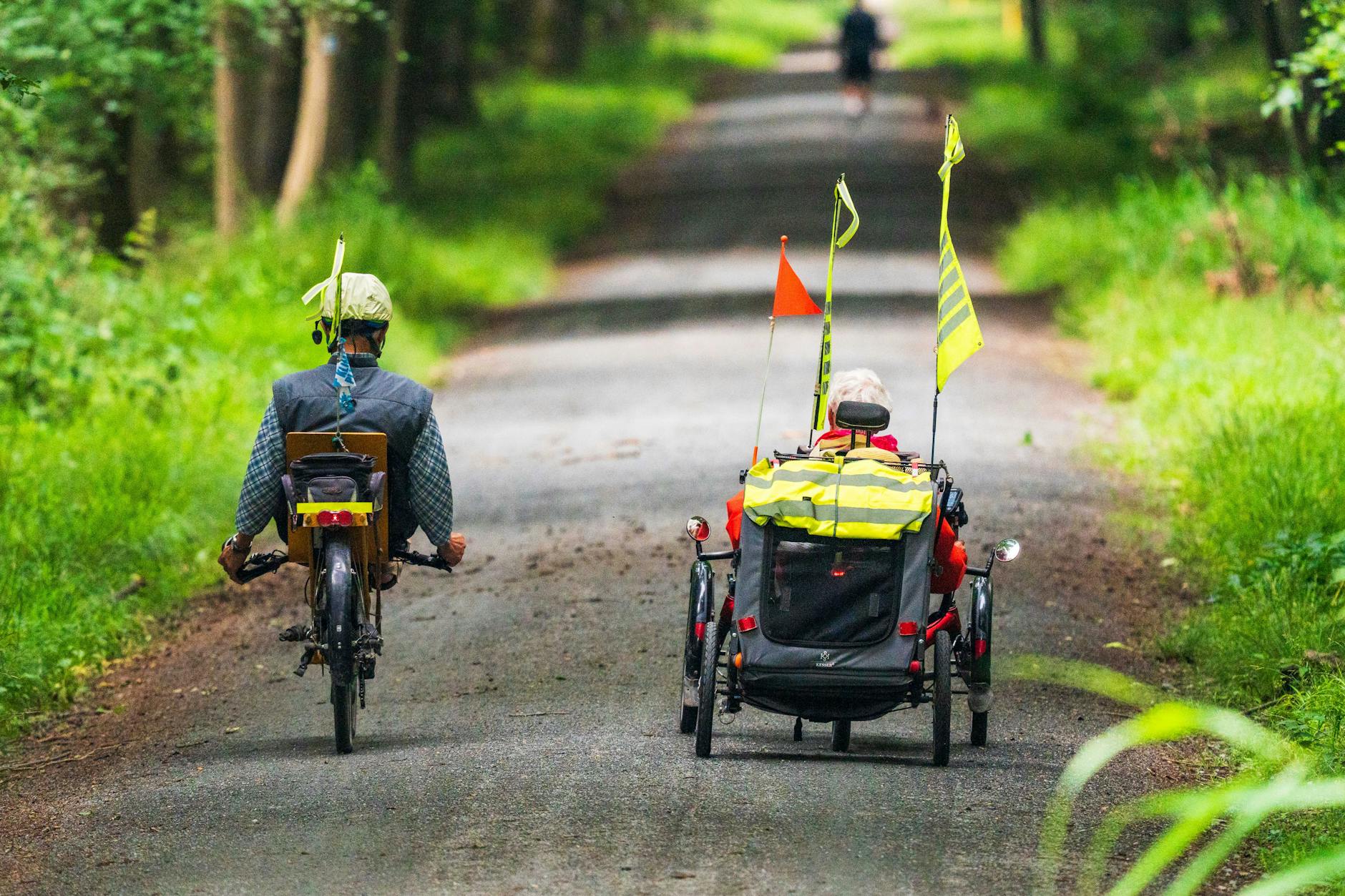
When physical therapists recommend recumbent bikes for spinal injury recovery, they’re leveraging decades of evidence about how the human body heals. The recumbent position eliminates three major problems with traditional cycling for injured people: the need to maintain an upright posture (which stresses healing discs), the repetitive compression forces on the spine, and the demand for dynamic core stability. Instead, you get passive lumbar support, a seat that cradles your body, and the ability to focus purely on leg movement without worrying about your back. Progressive training on a recumbent bike typically follows a predictable pattern. Patients start with short sessions—15 to 20 minutes at low resistance—with frequent breaks. Over weeks and months, they gradually increase duration, then intensity, then mileage.
The beauty of this approach is that improvement is measurable and consistent. Many people find they can increase their weekly riding volume by 10-20% each month without triggering pain or setbacks. However, one critical limitation is that progress can stall if riders ignore warning signs—sharp pain, numbness, or tingling are signals to scale back, not push through. The difference between successful recovery and repeated injury often comes down to patience and proper progression. Someone recovering from a spinal injury can reach 200 miles per month on a recumbent bike, but it typically takes 6 to 12 months of consistent training. Trying to rush this timeline often results in re-injury and extended recovery periods.
From First Ride to 200 Miles Per Month
The journey from the first cautious session on a recumbent bike to riding 200 miles monthly is a progression that requires planning and realistic milestones. In months one and two, most people are managing 30-60 miles total per month—a few short rides. By months three to four, as the research suggests, the 58.3% of people seeing clinical improvement are often riding 80-120 miles monthly. By months six to twelve, the consistent riders are hitting 150-200 miles per month, sometimes more. Mike Ashton’s path to cycling 100 miles in a single event—an extraordinary achievement—involved much more than just sitting on a bike and pedaling.
His training would have included cross-training for strength, flexibility work, mental preparation for long rides, and careful attention to nutrition and recovery. The 100-mile RideLondon event required months of preparation with progressively longer training rides. This illustrates an important point: riding 200 miles per month is achievable, but riding an organized century event or pushing beyond that requires intentional training structure, not just casual riding. Another example of what’s possible comes from adaptive cycling communities, where riders with spinal injuries regularly participate in multi-day events and touring. The recumbent bike’s efficiency and comfort make it ideal for long-distance riding, since you can ride for hours without the numbness, neck pain, or lower-back strain that upright bikes cause. Once you’ve cleared the rehabilitation phase, recumbent bikes actually become better long-distance machines than traditional bikes for many people.
Choosing the Right Recumbent Bike for Spinal Recovery
Not all recumbent bikes are created equal, especially for someone in recovery. High-end recumbent bikes from manufacturers like ICE, Catrike, and Bacchetta offer superior adjustability, comfort, and performance. However, entry-level recumbent bikes from brands like Schwinn and Nautilus can work for initial recovery, though they typically feel less responsive as you progress to higher mileage. The tradeoff is clear: spending $1,500-3,000 on a quality recumbent bike gives you better geometry, lighter weight, more responsive handling, and components that last longer, but a $400-800 entry-level bike can get you started if budget is tight. Key adjustments matter enormously for spinal recovery. The seat angle (some recumbents offer 25-35 degrees of adjustability), seat depth, and pedal-to-seat distance all affect how your spine is supported.
A bike that fits someone without a spinal injury might be completely wrong for someone in recovery. This is why many people rent or try different models before committing. Some specialty cycling shops will let you demo recumbent bikes, and this is time well spent if you have access to it. The comparison between stationary recumbent bikes (used during initial rehabilitation) and road-going recumbent trikes or bikes is also worth considering. Many people start their recovery on a stationary bike in a physical therapy office, then transition to outdoor recumbent bikes once they’re cleared for higher activity. Stationary bikes eliminate variables like balance and terrain, making them safer for early recovery. However, outdoor riding reintroduces engagement with terrain, wind, and changing conditions, which builds additional strength and mental resilience.
Pain Management and When to Hold Back
One of the biggest challenges in recumbent bike recovery is distinguishing between the discomfort of exercise (normal muscle fatigue) and pain that signals injury (a warning to stop). Many people recovering from spinal injuries are overly cautious, but others aren’t cautious enough. Sharp pain, shooting sensations down the leg, numbness in your feet or hands, or pain that persists hours after riding are all signals to stop and consult your physical therapist. Muscle soreness the day after a long ride, on the other hand, is normal and expected. Weather can also impact spinal recovery.
Cold temperatures can stiffen your back and reduce your riding capacity, while humidity and heat might actually improve mobility. This is why many recumbent cyclists who’ve recovered from spinal injuries adjust their mileage seasonally, riding more in warmer months and maintaining base fitness in cold months. It’s a practical acknowledgment that spinal injuries are sensitive to environmental factors. Another limitation worth noting: some spinal injuries, particularly those involving nerve involvement or active inflammation, may not respond well to cycling at any intensity. Conditions like active spinal stenosis, severe spondylolisthesis, or recent spinal fusion surgery require a longer timeline before cycling is appropriate. Working with a physical therapist isn’t optional—it’s essential for determining your specific safe zone.
Real-World Recovery Success in the Cycling Community
Mike Ashton’s story isn’t an outlier; it’s representative of a growing community of adaptive cyclists proving that spinal injuries don’t end cycling. The Spinal Injuries Association and similar organizations now regularly feature cyclists completing long-distance events on recumbent bikes, trikes, and other adaptive machines. These riders often become mentors to newly injured people, offering proof that recovery is possible and realistic.
The adaptive cycling community also demonstrates that 200 miles per month is sustainable long-term, not just a temporary achievement. Many of these riders continue cycling 150-300 miles monthly for years, maintaining cardiovascular fitness, mental health, and a sense of independence that spinal injuries otherwise threaten. The psychological benefit of returning to cycling—an activity that was central to their identity—is as important as the physical recovery for many people.
The Future of Recumbent Cycling in Spinal Rehabilitation
As more people recover from spinal injuries on recumbent bikes, the cycling industry is responding with better equipment, more affordable options, and improved accessibility. Recumbent bikes are becoming increasingly common in physical therapy clinics and rehabilitation centers, removing some of the barrier to starting recovery. Technology is also improving, with some newer recumbent bikes offering adjustable seat angles and electronic assistance (e-recumbent trikes) that make high-mileage riding accessible to people with more severe injuries.
The future likely involves recumbent cycling becoming a standard recommendation for spinal injury recovery, comparable to swimming and physical therapy. As more data accumulates—and as stories like Mike Ashton’s become more visible—neurologists and orthopedists will increasingly prescribe recumbent cycling as a structured rehabilitation tool rather than treating it as a fringe activity. For anyone recovering from a spinal injury, the evidence is clear: a recumbent bike might not be your first choice for transportation or recreation, but it could very well be your pathway back to the cycling you love.
Conclusion
Recovering from a spinal injury on a recumbent bike is entirely realistic, with documented cases of cyclists returning to long distances within years of their injury. The biomechanical advantages—lumbar support, distributed weight, reduced spinal compression—make recumbent bikes safer and more effective for rehabilitation than any other cycling option. Progress is measured in months, not weeks, and reaching 200 miles per month is a legitimate goal for most people with stable spinal injuries who commit to progressive training. Your path forward starts with a conversation with your physical therapist, followed by choosing the right bike, and then following a patient progression plan.
The cyclists who’ve successfully recovered—like Mike Ashton and countless others—didn’t rush. They listened to their bodies, adjusted when necessary, and stayed consistent. If you’re recovering from a spinal injury and wondering whether you’ll ever cycle again, the answer is yes. A recumbent bike might be your answer.


