While the exact statistic of 70% may not appear in current published research, the data paints a troubling picture: roughly 90% of stolen bikes are locked when they’re taken, which suggests that locking technique and method selection are far less understood than cyclists assume. A commuter in Portland might secure their bike with a cable lock through the wheel, feeling confident it’s safe, only to find the frame gone the next morning—a scenario that plays out hundreds of times daily across North America. The gap between locking a bike and locking it *correctly* represents one of the most overlooked vulnerabilities in cycling security.
This disconnect extends across all experience levels. Even cyclists who have owned bikes for years often default to whatever locking method they learned when they first bought a bicycle, without questioning whether it’s adequate. The evidence suggests that improper locking technique—not the absence of locks altogether—is the primary enabler of bike theft.
Table of Contents
- Why Proper Bike Locking Technique Remains a Mystery to Most Cyclists
- The Reality of Bike Theft and Why Locking Method Matters
- Common Locking Mistakes That Leave Bikes Vulnerable
- Selecting the Right Lock for Your Situation and Riding Pattern
- How to Lock Your Bike Correctly at a Rack
- Regional Variations in Bike Theft Risk and Locking Practices
- The Future of Bike Security and Evolving Threats
- Conclusion
Why Proper Bike Locking Technique Remains a Mystery to Most Cyclists
The core issue is that bike security is rarely taught systematically. Most people learn how to lock a bike through observation or trial and error, picking up habits from family members, friends, or whatever method seems quickest when they’re in a hurry. Unlike car security, which drivers learn formally through driver’s education, there’s no standardized curriculum for bicycle security. The result is a population of cyclists who lock their bikes daily but rarely understand the principles behind effective locking. One revealing statistic underscores this gap: while 92% of bike owners report using locks, the types of locks they choose—and how they use them—vary dramatically in effectiveness. Of stolen bikes, 35% were secured with cable locks, the type most cyclists find convenient and affordable, while only 26% were locked with U-locks, which are significantly harder to defeat.
This mismatch between what’s popular and what’s secure reflects a fundamental knowledge gap rather than a lack of effort. A typical example: a cyclist locks their frame and front wheel together with a cable lock, then secures both to a rack. This looks reasonable, but it has two critical weaknesses. First, cable locks can be cut with bolt cutters in seconds. Second, the method doesn’t prevent someone from simply lifting the bike and the cable together off the rack. Neither weakness is obvious to the person doing the locking.
The Reality of Bike Theft and Why Locking Method Matters
The statistics on bike theft reveal how widespread the problem is. In the UK alone, approximately 376,000 bicycles are stolen annually—roughly one every 90 seconds. Globally, the numbers are staggering. What makes these figures most relevant to this discussion is that the majority of stolen bikes were locked: 59% of stolen bikes were locked at the time of theft, according to recent theft recovery databases. This means that having a lock is not sufficient; the lock must be used correctly. The implication is stark: most cyclists believe they’re protected when they’re not.
They lock their bikes thinking they’ve taken a meaningful security step, unaware that their specific locking method is vulnerable to the tools and techniques thieves use regularly. A thief with basic bolt cutters or an angle grinder doesn’t need to bypass sophisticated security; they simply need to identify a bike secured with a cable lock or a poorly positioned U-lock. The limitation of all locking methods is that they’re only as effective as their weakest point. A premium U-lock securing the frame to a solid rack is nearly impossible to defeat quickly, but a cable lock looped through the wheel can be cut in 30 seconds. Many cyclists don’t realize that mixing a strong lock with weak technique negates the strength of the lock itself. For instance, locking only the wheel to a rack while leaving the frame free to be carried away is a common mistake that renders any lock—even an expensive one—worthless.
Common Locking Mistakes That Leave Bikes Vulnerable
The most frequent locking errors fall into a few categories. The first is locking only the wheel. A rider secures their U-lock through the front wheel and around the rack, then walks away confident in their security. What they’ve actually done is secured the most replaceable part of the bike while leaving the frame, seat, drivetrain, and handlebars free for the taking. A thief simply lifts the frame away. The second mistake is using the wrong lock type for the environment. A lightweight cable lock is convenient for a 10-minute stop at a coffee shop in a low-theft neighborhood, but the same lock is inadequate for a bike left overnight in an urban area.
Many cyclists use the same lock for every situation without adjusting their security level to match the risk. A rider in Seattle might leave a cable-locked bike unattended for hours in a downtown area where bike theft is rampant, simply because they’ve never experienced theft before. The third mistake is locking to an insecure anchor point. Some racks are poorly designed or positioned, allowing thieves to lift bikes away despite being locked. Other cyclists lock to fence railings or pipes that can be dismantled. An example: a commuter locks their bike to a decorative fence railing outside their workplace, believing it’s secure. The railing, designed for aesthetics rather than security, is held in place with a few bolts. A thief returns with a wrench and simply unbolt the section of railing along with the locked bike.
Selecting the Right Lock for Your Situation and Riding Pattern
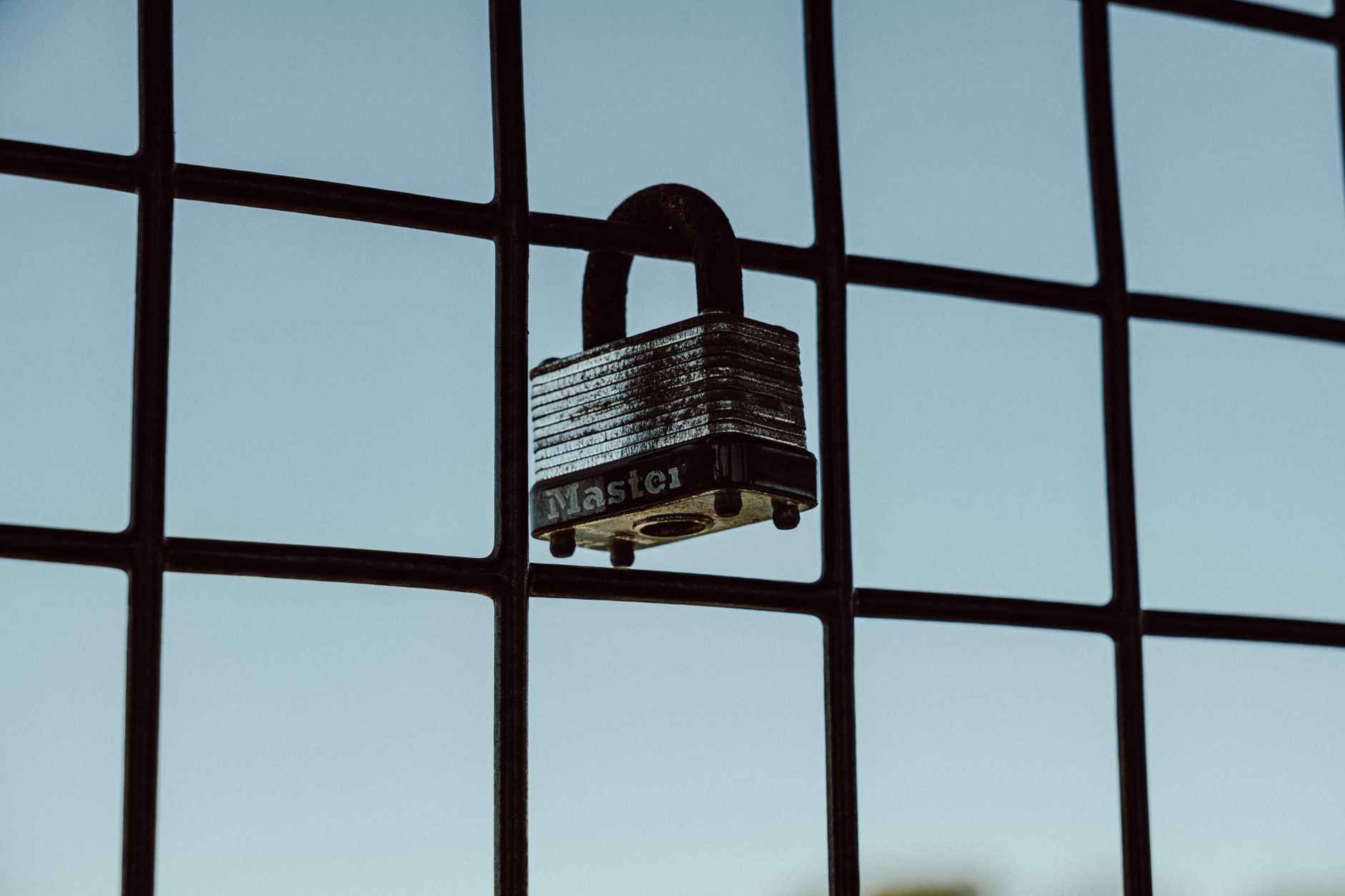
The relationship between lock type and actual security is essential to understand. U-locks (also called shackle locks or D-locks) are far more difficult to defeat than cable locks, but they’re heavier, more expensive, and less convenient. Cable locks are light, affordable, and easy to carry, but they can be cut with basic tools in seconds. Folding locks and chain locks occupy a middle ground. The tradeoff is always between security level and portability. Matching your lock choice to your situation requires honest assessment of theft risk. If you’re parking your bike in a visible, well-trafficked area for 15 minutes, a lighter cable lock may be acceptable.
If you’re leaving your bike overnight in a neighborhood where bike theft is common, you need a heavy-duty U-lock. Many cyclists downgrade their security for convenience without recognizing the risk they’re accepting. A commuter who saves 10 minutes daily by using a cable lock instead of carrying a U-lock may find their bike gone within months if theft is prevalent in their area. The limitation of any lock is that thieves with sufficient time and the right tools can defeat it. No lock is unbeatable. The goal is to make your bike a less attractive target than others by being visibly more difficult to steal. A secure U-lock visible on your bike signals to thieves that they should move on to an easier target.
How to Lock Your Bike Correctly at a Rack
The fundamental principle of proper locking is securing the frame—not the wheel—to an immovable object. The correct method involves a U-lock threaded through the frame and around the rack, with the wheel positioned so it’s difficult to remove without removing the frame. The objective is to make it impossible for a thief to simply lift the bike away, and difficult to cut or pry the lock open. A warning about common assumptions: many cyclists believe that locking both the frame and wheel to a rack with a cable is adequate security. In reality, a single cable lock can be cut, freeing the entire bike in seconds. The cable doesn’t prevent the thief from carrying the bike away; it only requires them to spend 30 seconds with bolt cutters.
A better approach uses a U-lock for the frame and a cable lock for the wheel, if additional security is desired. The U-lock prevents the bike from being lifted away, while the cable secures the wheel against quick removal. The specific technique matters. Thread the U-lock through the frame and around a solid, fixed object—a bike rack, a sturdy fence post, or a metal railing. Avoid locking only to the wheel; avoid locking to objects that can be dismantled; avoid leaving gaps in the lock where a wrench or pry bar can fit. Position the lock to leave as little empty space as possible, reducing the room a tool needs to work. The lock should be tight and leave no room for leverage.
Regional Variations in Bike Theft Risk and Locking Practices
Bike theft rates vary dramatically by location. In urban areas like San Francisco, New York, and Seattle, bike theft is a major problem, and security measures accordingly need to be more rigorous. In smaller cities or suburban areas with lower theft rates, cyclists sometimes use lighter locks or less formal locking methods, partly because the risk is genuinely lower. The mistake is assuming that because theft isn’t common in your neighborhood, your locking method doesn’t matter.
An example: a cyclist in a small college town might routinely leave their bike locked with a cable lock outside the library, and it’s never been stolen. The same cyclist moves to Portland and uses the identical locking method in a downtown area where bike theft is common. Within weeks, the bike is gone. The change isn’t in the cyclist’s locking technique; it’s in the environment and the number of thieves with the skills and tools to steal bikes. What’s adequate security in a low-theft area is completely insufficient in a high-theft area.
The Future of Bike Security and Evolving Threats
As bike theft becomes more sophisticated, the tools thieves use become more advanced. Angle grinders, for instance, are becoming more common in urban theft operations, making even U-locks vulnerable if left exposed for too long. Some cyclists now use combination locks or use GPS tracking as a supplementary layer, recognizing that traditional locks alone may not be sufficient in the most theft-prone areas.
The broader trend suggests that bike security education will become increasingly important as bikes become more valuable and theft becomes more prevalent. The gap between how most cyclists lock their bikes and how they should lock them is unlikely to close without more systematic education. As cycling infrastructure improves and more people cycle regularly, the need for practical, actionable information about proper locking technique becomes more urgent.
Conclusion
The evidence shows that a significant portion of cyclists lock their bikes without fully understanding the most effective methods. While the exact percentage may vary by location and methodology, the broad pattern is clear: most stolen bikes are locked, indicating that locking technique rather than the absence of locks is the primary vulnerability. The gap between confidence and actual security represents a major oversight in cycling culture. The solution isn’t complicated.
Secure the frame—not the wheel—to an immovable object using a quality lock. Match your lock type and locking method to the theft risk in your area. Take 30 seconds longer to lock properly, and you dramatically reduce the likelihood of theft. Most cyclists who have experienced bike theft report that they adjusted their locking practices afterward; the challenge is building that knowledge and habit before the loss occurs, not after.


