The gravel biking boom appears to be accelerating into 2026, with participation numbers suggesting that the category has moved well beyond a niche trend. While exact figures vary depending on the source and methodology, the cycling industry broadly acknowledges that gravel riding has attracted a significant wave of new participants in recent years—numbers that seem to keep climbing faster than many observers anticipated. The surge reflects a fundamental shift in how cyclists are approaching their sport: gravel and mixed-surface riding offers accessibility, versatility, and a sense of exploration that traditional road and mountain biking sometimes lack. This growth isn’t happening in a vacuum.
Major manufacturers have doubled down on gravel-specific designs, bike shops report gravel bikes as their fastest-moving inventory category, and riding communities are organizing around gravel events and routes at an unprecedented scale. A casual observer watching gravel cycling events evolve over the past three years would notice not just more riders, but increasingly diverse demographics—younger riders trying their first “serious” bike, mountain bikers experimenting with speed and distance, and road cyclists seeking adventure beyond pavement. The real question isn’t whether gravel biking is growing; the evidence is visible on trails and roads everywhere. The question is what this growth means for riders, manufacturers, and the broader cycling ecosystem as we move through 2026.
Table of Contents
- Why Is Gravel Biking Attracting New Riders at This Pace?
- The Diversity Problem and Growing Market Segmentation
- Event Growth and Community Infrastructure
- Equipment Standards and Compatibility Challenges
- The Durability Question and Hidden Costs
- Bikepacking and the Adventure Extension
- Market Maturation and What Comes Next
- Conclusion
Why Is Gravel Biking Attracting New Riders at This Pace?
Gravel biking fills a practical gap that traditional cycling categories often leave unfilled. Road bikes are fast but punishing on rough surfaces and limiting in terrain choice. Mountain bikes are capable off-road but overkill and exhausting for longer distance mixed-surface riding. Gravel bikes occupy the sensible middle ground: efficient enough for pavement and packed dirt, stable enough for technical sections, and forgiving enough that small mistakes don’t feel catastrophic. For someone entering cycling without a specific competitive goal, this versatility is compelling.
The rise also reflects changing priorities among newer riders. Rather than specializing in one discipline, many cyclists want equipment that lets them explore multiple riding styles with a single bike. A gravel bike can handle a weekend road ride to coffee, a pack-and-ride bikepacking trip, commuting over mixed surfaces, and local trail exploration—sometimes all in the same week. That adaptability resonates especially strongly with riders juggling multiple interests and limited time. Additionally, the gravel community has cultivated an inclusive culture that contrasts sharply with some of the gatekeeping in traditional road and mountain biking subcultures.
The Diversity Problem and Growing Market Segmentation
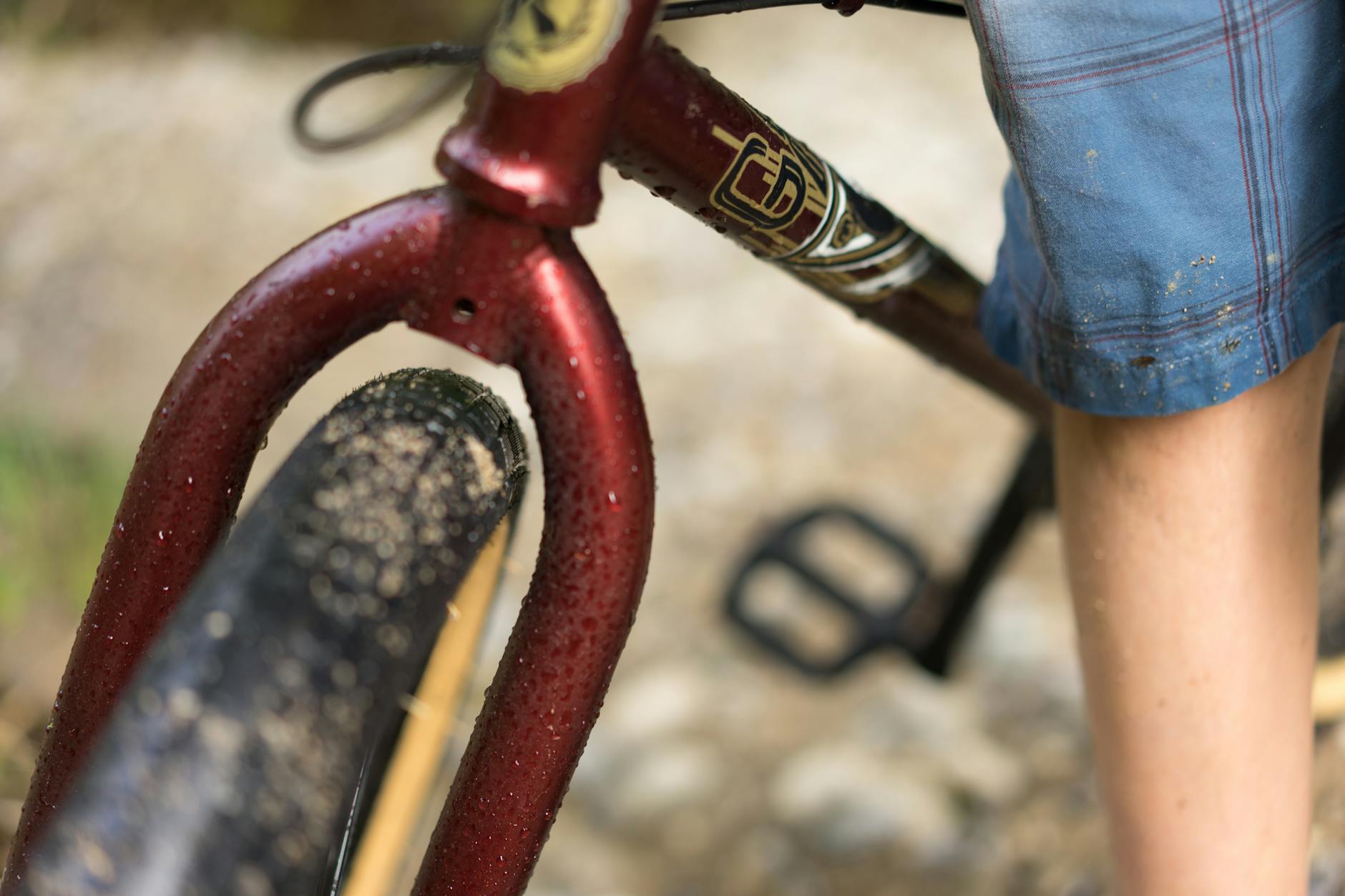
Gravel as a category has become so broad that the term almost means different things depending on who’s using it. One rider’s gravel bike is a drop-bar adventure machine designed for 100-mile bikepacking expeditions; another’s is a flat-bar hybrid replacement for commuting. Manufacturers have responded by fragmenting the market into increasingly specific subcategories: gravel racers, all-terrain gravel bikes, drop-bar cross bikes, adventure models. This segmentation helps buyers find bikes that match their actual needs, but it also creates a trap: newer riders can feel paralyzed trying to figure out which type of gravel bike is actually right for them.
A real limitation of the gravel boom is that it’s driven significant price inflation in the category. A quality gravel bike that cost $1,200 five years ago might now run $1,600 or more, even accounting for inflation. Used gravel bikes hold their value stubbornly well, which is good news for resale but problematic for riders trying to enter the sport affordably. Entry-level gravel options exist, but the gap between a truly capable used bike at $700 and a new entry-level model at $1,100 can be a meaningful barrier.
Event Growth and Community Infrastructure
Gravel racing events have evolved dramatically in availability and sophistication. Established events like Unbound Gravel (formerly Dirty Kanza) have become destination races pulling thousands of riders, and hundreds of smaller, regional gravel events now operate across most cycling markets. This proliferation creates community infrastructure that makes gravel riding feel more legitimate and accessible—new riders can enter beginner categories, find local group rides, and plug into organized events without fighting the gatekeeping that sometimes surrounds road racing or advanced mountain biking.
The event landscape also reveals a practical warning: not all gravel events are created equal, and distances that sound manageable can become brutal on marginal equipment or training. A 100-mile gravel event is fundamentally different from a 100-mile road ride, partly because the terrain and surface variation demand different preparation and partly because the social dynamic feels entirely different. Riders new to the category sometimes underestimate this gap and show up unprepared for what turns out to be a far more challenging experience than they expected.
Equipment Standards and Compatibility Challenges
Gravel bikes have largely standardized around 1x and 2x drivetrain setups, wide tire clearance (typically 40-50mm), and flat or drop bars depending on the specific bike’s purpose. This standardization has made it easier for newcomers to understand what they’re buying and easier for the aftermarket to support diverse needs. However, compatibility isn’t universal—tire bead seat diameter still varies, brake standards differ between models, and groupset options can feel overwhelming when you’re learning what actually matters versus what’s marketing differentiation.
A practical advantage: gravel bikes are notably more repairable and maintainable than some cycling categories. Flat tires, brake adjustments, and drivetrain maintenance can all be handled with basic tools and YouTube knowledge. The tradeoff is that the wider, knobbier tires and mixed-surface abuse mean more frequent maintenance overall. A gravel bike ridden aggressively might see brake pad and tire replacement twice as often as a carefully maintained road bike used on pavement only.
The Durability Question and Hidden Costs
Gravel riding is harder on equipment than road cycling, which means that bikes and components wear faster even when maintained properly. Chainrings, cassettes, chains, and brake components all experience more stress from variable surfaces, standing climbs, and the general abuse of riding on unprepared terrain. This accelerated wear is a reality worth acknowledging: your actual cost per mile in gravel riding is probably 20-30% higher than on a road bike, when you factor in consumables and more frequent repairs.
The durability problem extends beyond just wear—frame damage is also more likely. While modern gravel bike frames are generally robust, they’re still susceptible to impact damage from rocks, roots, and crashes that are more likely on technical terrain. A fork failure, bent derailleur hanger, or frame crack requires expensive repairs or replacement. Taking a gravel bike on genuinely technical off-road trails can produce surprisingly expensive consequences, particularly if you’re riding something in the $1,500-$2,500 range where repair costs represent a meaningful percentage of the bike’s value.
Bikepacking and the Adventure Extension
Gravel biking has become inextricably linked with bikepacking—self-supported off-road and mixed-surface travel. The accessibility of gravel routes and the forgiving nature of gravel bikes make them natural platforms for adventure riding that doesn’t require mountain biking skills or technical expertise.
A motivated rider with a gravel bike, a frame bag, and basic self-sufficiency skills can tackle multi-day adventures that would have seemed impossible just a decade ago. The example is concrete: Great Divide Mountain Bike Route sections that traditionally required full mountain bikes and advanced technical skills can now be ridden by competent gravel riders on mixed terrain routes. This democratization of adventure travel is one of gravel biking’s genuine cultural contributions, but it’s also creating crowding on popular routes and starting to fragment some quieter trail networks as more recreational riders seek out remote riding areas.
Market Maturation and What Comes Next
The gravel market appears to be moving from explosive growth into something more like mature category establishment. Market consolidation is occurring—smaller brands struggling to compete are getting absorbed or folded, while established manufacturers continue investing heavily in gravel-specific development. The result is probably a stabilization of product quality and a slight decline in the total number of available options, which is natural category evolution.
Looking forward, the growth trajectory suggests gravel will remain a core part of the cycling market but probably won’t continue expanding at the rates seen in 2023-2025. Newer riders will continue discovering gravel biking, but the category is increasingly hitting saturation among cyclists who want this specific tool. The next phase is probably less about expansion and more about deepening sophistication: better bikes, more specialized designs, stronger event infrastructure, and community maturation.
Conclusion
Gravel biking’s growth through 2026 reflects genuine demand for a versatile, accessible, and explorative form of cycling. The numbers appear significant, though exact figures are difficult to pin down, and the trend shows no sign of reversing. What matters more than the precise statistics is that gravel has established itself as a legitimate, sustained part of the cycling mainstream—not a temporary trend.
For riders considering entry into gravel biking, the practical advice is straightforward: the infrastructure exists, the bikes are better than ever, and the community is genuinely welcoming. The cost barrier is real, maintenance demands are higher than road cycling, and overshooting your actual skill and fitness level is easy to do. But the reward—access to genuinely fun, exploratory riding on your own terms—remains worth the tradeoffs for many riders.


