Yes, your bike lock can be cut in under 12 seconds if it cost less than $30. Most budget cable locks fall to standard bolt cutters in just one or two seconds, and even hardened locks with thin shackles surrender to angle grinders in 20 to 30 seconds under controlled testing. The hard truth is that many cyclists are securing bikes worth hundreds or thousands of dollars with locks that offer virtually no meaningful resistance to common theft tools. This isn’t a failure of the lock design itself—it’s a failure of pricing. Spending less than $30 on a bike lock almost guarantees you’re buying a security theater product rather than actual protection.
The reason is simple: real security costs money. Quality materials, hardened steel, and engineering that resists multiple attack vectors add up. A cable lock might feel sturdy in your hands, but handheld bolt cutters apply thousands of pounds of leverage force in a way human hands never could. A thin-shackled padlock might look intimidating, but an angle grinder doesn’t care about appearances—it cuts through 11mm steel nearly as easily as butter. If you’ve been relying on a budget lock, your bike isn’t as secure as you think.
Table of Contents
- Why Cable Locks Are Nearly Useless Against Bolt Cutters
- Budget Padlocks and the Shackle Thickness Problem
- The Tools Thieves Actually Use
- Finding Better Protection Without Breaking the Bank
- The Hidden Cost of Cheap Security
- Testing Methodology and What It Reveals
- The Future of Bike Lock Design
- Conclusion
- Frequently Asked Questions
Why Cable Locks Are Nearly Useless Against Bolt Cutters
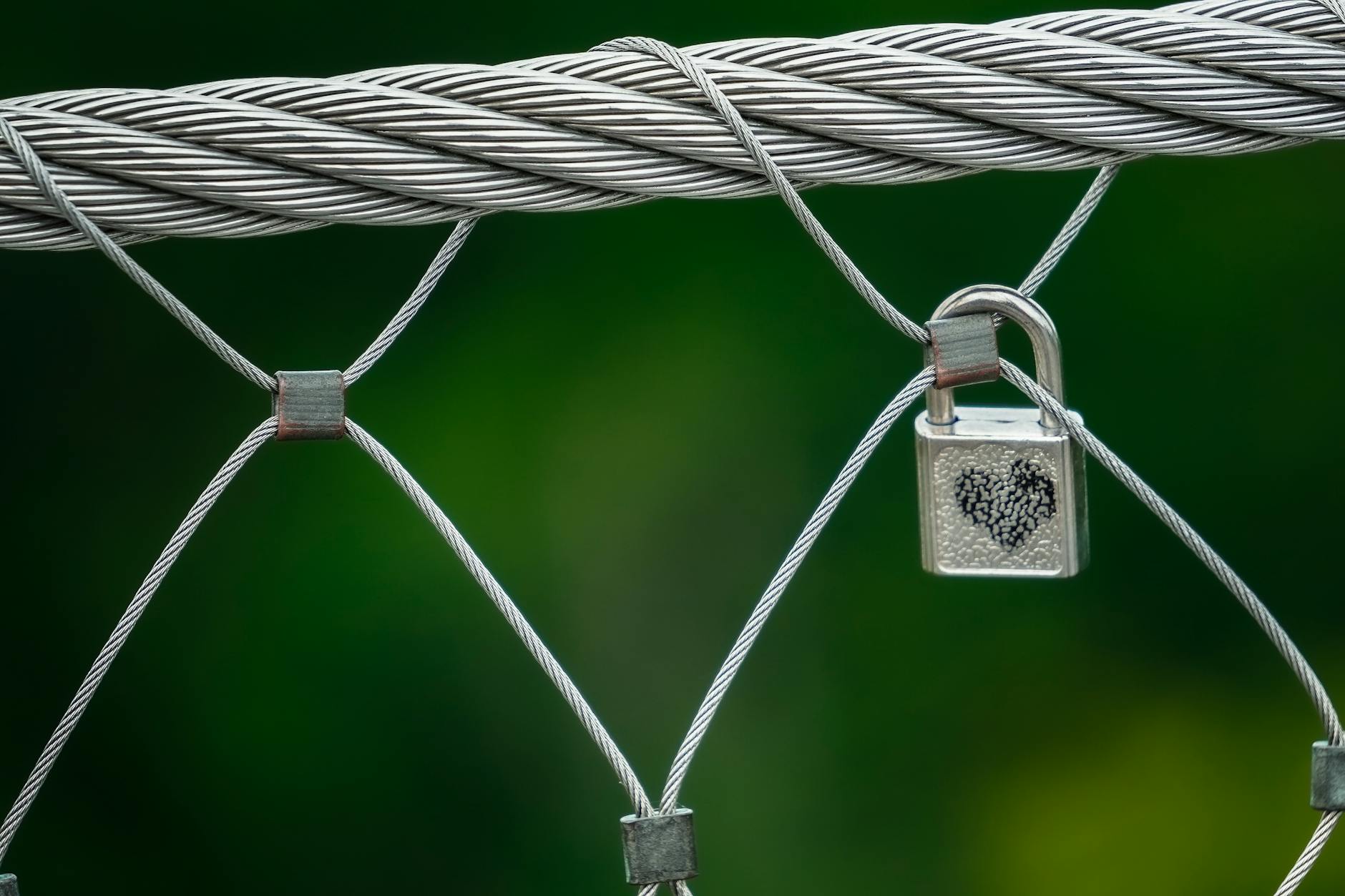
Cable locks are the most popular budget option, and they’re also almost worthless against anyone with actual theft tools. According to lock testing research, cable locks can be cut by handheld bolt cutters within seconds—often in a single second. The cables themselves offer virtually no resistance; they’re soft enough that a decent pair of cutters can go through them like snipping wire. The shackles that hold the cable loops are equally weak, typically made from alloy rather than hardened steel. A thief with a basic $20 pair of bolt cutters from a hardware store has all they need to defeat a $15 cable lock.
The problem is that cables and thin shackles were never designed to resist cutting. They were designed to be convenient and lightweight. They resist casual opportunists—someone who might try to pull your bike loose or fiddle with a simple lock. But they offer zero resistance to anyone with actual tools. Testing data confirms this isn’t theoretical; cable locks consistently fail in seconds when subjected to real cutting tools. If your lock cost under $30 and it’s a cable design, assume it provides roughly the same security as leaving your bike unlocked with a sign saying “I’m easy to steal.”.
Budget Padlocks and the Shackle Thickness Problem
Padlocks offer more security than cables, but only if the shackle is thick enough. This is where budget locks fail catastrophically. Locks with thin shackles—11mm or less—can be cut with an angle grinder in roughly 20 to 30 seconds, according to recent testing from October 2025. The test found that even the Abus Super Extreme 2500, a supposedly security-focused model, had a cuttable shackle base that surrendered in just over 20 seconds when a single disc was used in an angle grinder. If a lock marketed for security can be defeated that quickly, a $20 budget padlock doesn’t stand a chance. The critical measurement is shackle diameter.
Locks larger than 18mm won’t fit in standard bolt cutter jaws, but that thickness also makes them much harder to cut with other tools. A 16mm hardened steel shackle is considered the minimum necessary to resist manual bolt cutters. But most budget locks come in at 10mm to 13mm. This isn’t accidental; thin shackles are cheaper to manufacture and make the lock lighter to carry. The tradeoff is that your lock fails immediately when a thief shows up with real tools. You’re not buying security—you’re buying the feeling of security.
The Tools Thieves Actually Use
Professional lock testing uses the same tools thieves actually employ: bolt cutters, angle grinders, hacksaws, and hammers. These aren’t exotic tools or homemade devices. Bolt cutters are sold in every hardware store for $20 to $50. Angle grinders are common tools in any workshop. Hacksaws are cheap and quiet. Yet most budget lock testing doesn’t account for these threats, and most casual cyclists assume their locks are stronger than they actually are.
When testing is done under controlled conditions with these standard tools, the results are brutal. Cable locks fail in seconds. Thin-shackled padlocks fail in 20 to 30 seconds. Even some mid-range locks show surprising vulnerability to angle grinders or bolt cutters when shackle thickness is insufficient. A thief with an angle grinder and a disk can work on a lock from multiple angles, trying to find the weakest point or the spot where the shackle is most exposed. The lock doesn’t need to be perfect—it just needs to not be weak. Budget locks are weak by design.

Finding Better Protection Without Breaking the Bank
The good news is that meaningful security doesn’t require a $100 lock. The OnGuard Bulldog, available for $33, is specifically noted as “a solid, affordable option that swings well above its weight class for the price.” This is the zone where actual security begins—around $30 to $50, where manufacturers can afford hardened steel shackles, solid construction, and resistance to common cutting tools. Jumping from a $15 budget cable lock to a $33 properly-designed lock is the difference between almost no security and real security.
What should you look for? Shackle diameter of 14mm or more, hardened steel rather than soft alloy, and a closed-loop design where the lock doesn’t rely on thin mounting points. Read reviews from testing sources that actually use cutting tools—not just online reviews from people praising how strong the lock feels when they hold it. Test-driven recommendations matter because they’re based on what actually works against real theft, not marketing claims. A lock in the $30 to $50 range, chosen based on real testing, will resist bolt cutters, resist most angle grinder attacks, and make your bike dramatically less attractive to thieves.
The Hidden Cost of Cheap Security
The limitation of even good budget locks is that no lock is truly unbeatable—it’s only a matter of how much time and noise a thief is willing to invest. A $40 lock will cost a thief maybe one to two minutes with power tools and noise. A $100 lock might cost five minutes. The point isn’t to make your lock impossible to cut; it’s to make your bike harder to steal than the next one. A thief with two bikes to choose from—one with a cheap cable lock and one with a real lock—will always pick the easy target.
There’s also a false-economy trap in buying multiple cheap locks. Cyclists sometimes buy three $10 cable locks thinking that “multiple locks are harder to steal.” But if each lock fails in one second, three locks fail in three seconds. You’ve wasted money and added weight. One decent $40 lock provides infinitely more protection than three $10 locks. The wardrobe of locks—cabling, chain, and padlock combinations—only works if the individual components are actually strong. Budget components don’t combine into security; they just combine into bulk.
Testing Methodology and What It Reveals
Professional bike lock testing involves putting locks through real-world attacks in controlled conditions. This means measuring how long it takes to cut through with specific tools, then reporting the results. Recent testing in October 2025 found that even locks marketed as “extreme” security could be defeated in 20 to 30 seconds by an angle grinder with the right disk. This matters because it tells you that your eye-test of a lock—whether it looks strong, how heavy it feels—is almost meaningless. Lab testing is the only reliable source of lock strength information.
It removes the marketing language and replaces it with objective data. When a testing source tells you a lock fails to bolt cutters in 15 seconds, that’s real information. When a retailer tells you a lock is “heavy duty” and “built for security,” that’s marketing. The difference between a lock that fails in three seconds and one that fails in two minutes is enormous for your bike’s safety. Use real testing data, not product descriptions or online reviews from people who have never attempted to cut their lock.
The Future of Bike Lock Design
The bike lock market is slowly improving, with more manufacturers investing in materials and designs that resist multiple attack vectors simultaneously. But the price gradient remains steep. A truly excellent lock—one that resists bolt cutters, angle grinders, and hacksaws—typically costs $80 to $150. Most casual cyclists won’t pay that for a lock.
The market will keep producing cheap locks because demand exists, and casual cyclists will keep buying them because they don’t understand the threat model. The trend going forward is likely toward integrated security systems—locks that combine mechanical strength with electronic alarms or GPS tracking. But those innovations are years away from mass adoption and affordability. For now, the simple truth remains: spend at least $30 to $50 on a lock, and spend it on something with a thick hardened shackle and genuine testing data behind it. Your bike’s security depends on it far more than on whether your lock cost $15 or $30.
Conclusion
The warning in the title is accurate. Cheap locks fail in seconds because they’re built from soft materials designed for convenience, not security. Cable locks are nearly useless. Budget padlocks with thin shackles surrender to angle grinders in 20 to 30 seconds. The only way to protect your bike is to spend enough money on a lock that real security becomes feasible—at least $30 to $50, spent on a design that’s been tested against real theft tools, not just marketing words.
Start by assessing your current lock. If it cost less than $25, if it’s a cable lock, or if you don’t know how thick the shackle is, assume it provides almost no protection. Replace it with something that has genuine testing data behind it, a hardened steel shackle of 14mm or larger, and honest reviews based on real cutting tool tests. Your bike is worth more than $30. Spend accordingly.
Frequently Asked Questions
Can an angle grinder cut through any bike lock?
No, but cheaper locks fail very quickly. High-quality locks with thick hardened shackles can resist angle grinders for several minutes, creating enough time and noise to deter most thieves. Cheap locks with thin shackles fail in 20 to 30 seconds.
Is it worth buying multiple cheap locks?
No. Three $10 locks offer no more security than one lock, since each is cut equally fast. One $40 lock is dramatically more secure than three $10 locks combined.
How much should I spend on a bike lock?
At minimum, $30 to $50 for meaningful protection. At least match 5 to 10 percent of your bike’s value to the lock cost. A $500 bike deserves a $50+ lock.
What’s the difference between a cable lock and a padlock?
Cable locks fail in seconds to bolt cutters. Padlocks are stronger but only if the shackle is thick (14mm+). Even then, thick-shackled locks still require quality hardened steel to resist angle grinders.
Are brand-name locks automatically better?
No. Brand reputation matters, but the actual security depends on shackle thickness, material hardness, and design. Read testing data, not marketing.
Should I use a lock with GPS tracking instead?
GPS locks are emerging, but they’re expensive, unreliable, and still require a strong mechanical lock as backup. Hardened steel and testing data remain the foundation.


