When facing an aggressive driver, your best defense is to stay calm, refuse to engage verbally or physically, and focus entirely on removing yourself from the situation. This means breathing through the adrenaline spike, avoiding eye contact or gestures, and simply riding away or pulling over—depending on what’s safest. A March 2026 incident on Pacific Coast Highway in Newport Beach illustrates just how dangerous these encounters can escalate: a blue BMW driver veered into the bike lane at 30-40 mph downhill, forcing cyclists to jump onto the sidewalk to avoid collision.
The driver didn’t accidentally drift—the attorney involved noted that “there’s been a real rise in intentional aggression toward cyclists,” a shift reflected in alarming national statistics and mounting reports of road rage incidents specifically targeting riders. This article covers practical strategies for handling aggressive drivers before, during, and after an encounter—from de-escalation techniques that actually work to documentation methods that protect you legally and help police build cases. We’ll also address what’s driving the surge in cyclist-targeted aggression and how visibility and prevention measures can reduce your risk of becoming a target in the first place.
Table of Contents
- Understanding the Rise in Driver Aggression Toward Cyclists
- De-escalation Tactics That Actually Work
- Documentation and Police Reporting
- The Critical Legal and Insurance Angle
- Visibility and Prevention—Reducing Your Risk Profile
- What to Do After an Aggressive Encounter
- The Bigger Picture—What’s Changing for Cyclists on the Road
- Conclusion
Understanding the Rise in Driver Aggression Toward Cyclists
Cyclist fatalities and injuries are climbing at a troubling pace. Between 2022 and 2023, pedalcyclist fatalities increased by 4.4% (49 additional deaths), while overall traffic fatalities actually dropped 4.3% during the same period. Injuries tell an even starker story: pedalcyclist injuries rose 8.2%, adding 3,800 more injured riders to the rolls. This divergence—cyclists getting hit harder while total traffic deaths fall—suggests a specific and growing problem, not just a general traffic safety issue. What’s behind this rise? Partly it’s visibility.
Partly it’s distraction. But increasingly, it appears to be deliberate. Attorneys specializing in cycling accidents report a noticeable shift from accidents to what looks like intentional aggression. Riders describe encounters where drivers rev engines, swerve toward them, or block their paths in ways that seem calculated rather than careless. Not every aggressive driver is consciously trying to hurt you, but the intent matters less than the outcome—you need to know how to read these situations and respond correctly.

De-escalation Tactics That Actually Work
The single most effective technique is simple: do not engage. When a driver yells, honks, or gestures aggressively, every instinct will tell you to respond—to shout back, gesture, or defend yourself verbally. This is precisely the wrong move. De-escalation means breaking the feedback loop. You cannot argue with an angry driver while pedaling. You cannot reason with someone in a vehicle while you’re on a bike. The power dynamic is fundamentally unequal, and any verbal exchange you “win” is a loss. Instead, focus on breathing and staying on your bike.
Keep your hands on the bars. Don’t make eye contact. Don’t gesture—not even a wave or a thank-you gesture, because in the heat of an aggressive encounter, any hand movement can be misread as provocation. Simply ride smoothly and predictably, and if safe, ride away from the vehicle. If the driver circles back or continues to pursue, find a public space—a busy intersection, a business, a group of people. Do not ride home if you think you’re being followed. However, if the driver exits the vehicle or shows signs of escalating physically, stop de-escalation and prioritize your safety: dismount, move away, and call 911 immediately. The Center for cycling Education and other safety experts are unanimous: once a driver leaves the vehicle, you are no longer dealing with a traffic situation—you’re in a personal safety crisis.
Documentation and Police Reporting
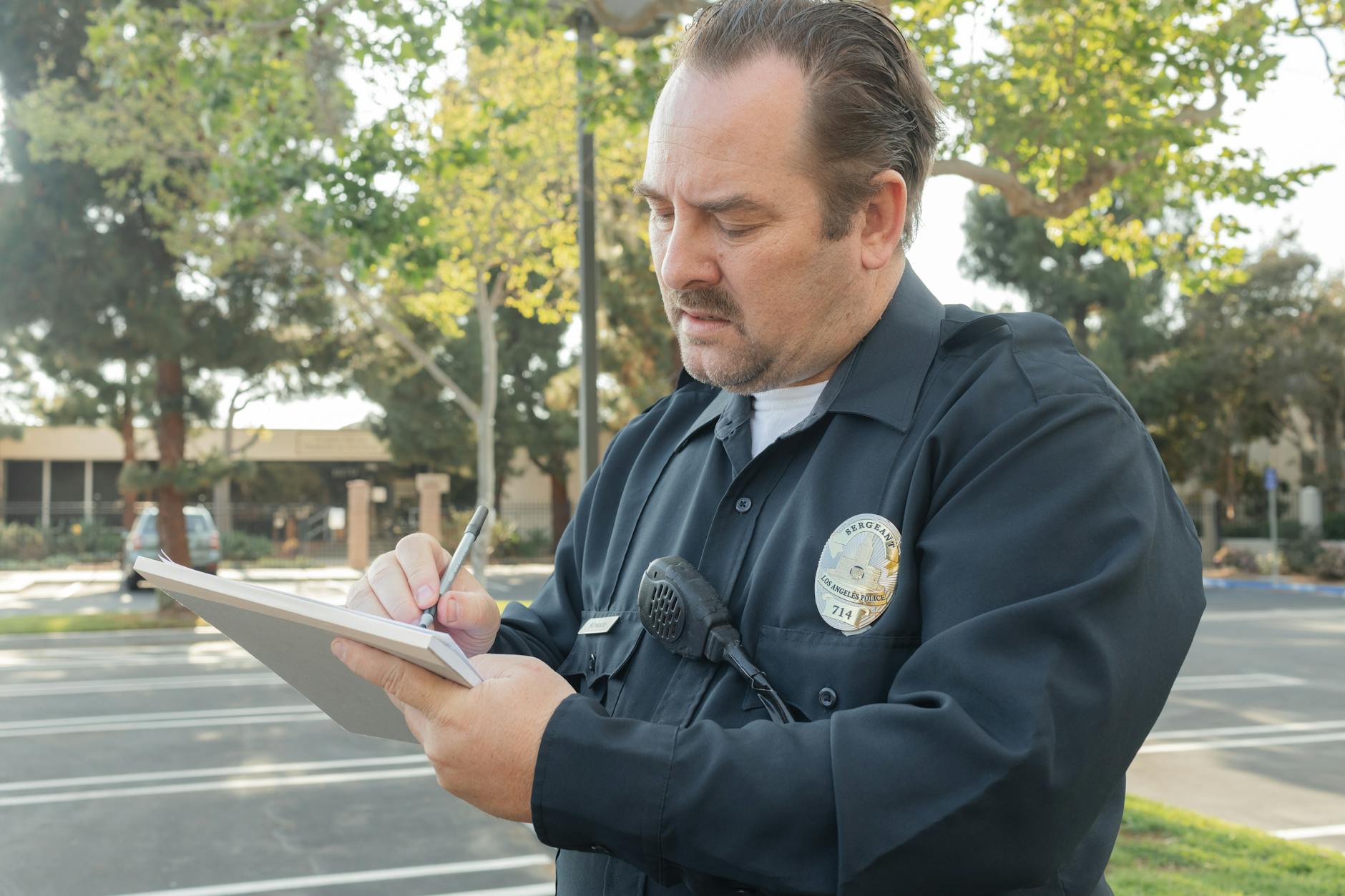
If you can safely do so during or immediately after an encounter, gather intelligence. Get the license plate number—this is critical. Photograph it if you can. Note the vehicle color, make, and model. Describe the driver’s appearance. Note the time, date, and location. Try to identify witnesses—other cyclists, pedestrians, or drivers who saw what happened. This information is gold to police. In 2025, Avon and Somerset Police received 11,282 journey-cam submissions, with 68% coming from cyclists—a 23% overall increase in footage submissions compared to the previous year. That number tells you something: cyclists with video evidence are filing reports in record numbers, and police are acting on them.
If you have dashcam or helmet-camera footage, save it immediately. Don’t edit it; don’t trim it; don’t add commentary. File it raw. Call the non-emergency police line and file a report, especially if you were hit, threatened with a vehicle, or felt your life was in danger. Provide all your documentation and footage. Ask for a case number. Even if nothing comes of it immediately, these reports build a pattern. They help police identify repeat offenders. They establish a record if you need to make an insurance claim or pursue legal action. One caveat: if you only have a partial license plate or uncertain details, say so. Inaccurate reports clutter police records and undermine your credibility.
The Critical Legal and Insurance Angle
Here’s what many cyclists don’t realize: how you behave during an aggressive encounter can affect your legal standing and insurance claims later. If you responded to aggression with obscene gestures, middle fingers, or profanity, that behavior could be used against you—even if the driver was clearly at fault. Insurance companies and lawyers will argue that you provoked the encounter or escalated it. A cyclist who maintains composure, stays calm, and avoids any antagonistic response builds a much stronger legal position. This isn’t about fairness; it’s about the reality of how liability is decided.
If you’re hit and injured, you may file a claim against the driver’s insurance or pursue a lawsuit. Your behavior during the encounter—documented in police reports, witness statements, or video—will be scrutinized. A clean, de-escalated response makes your case stronger. You were the injured party; you were vulnerable; you did everything right. A response where you were shouting, gesturing aggressively, or appearing to escalate gives the driver’s insurance company an argument, however flawed, that you contributed to the situation. The practical takeaway: staying calm isn’t just about safety in the moment; it’s about protecting yourself legally.
Visibility and Prevention—Reducing Your Risk Profile
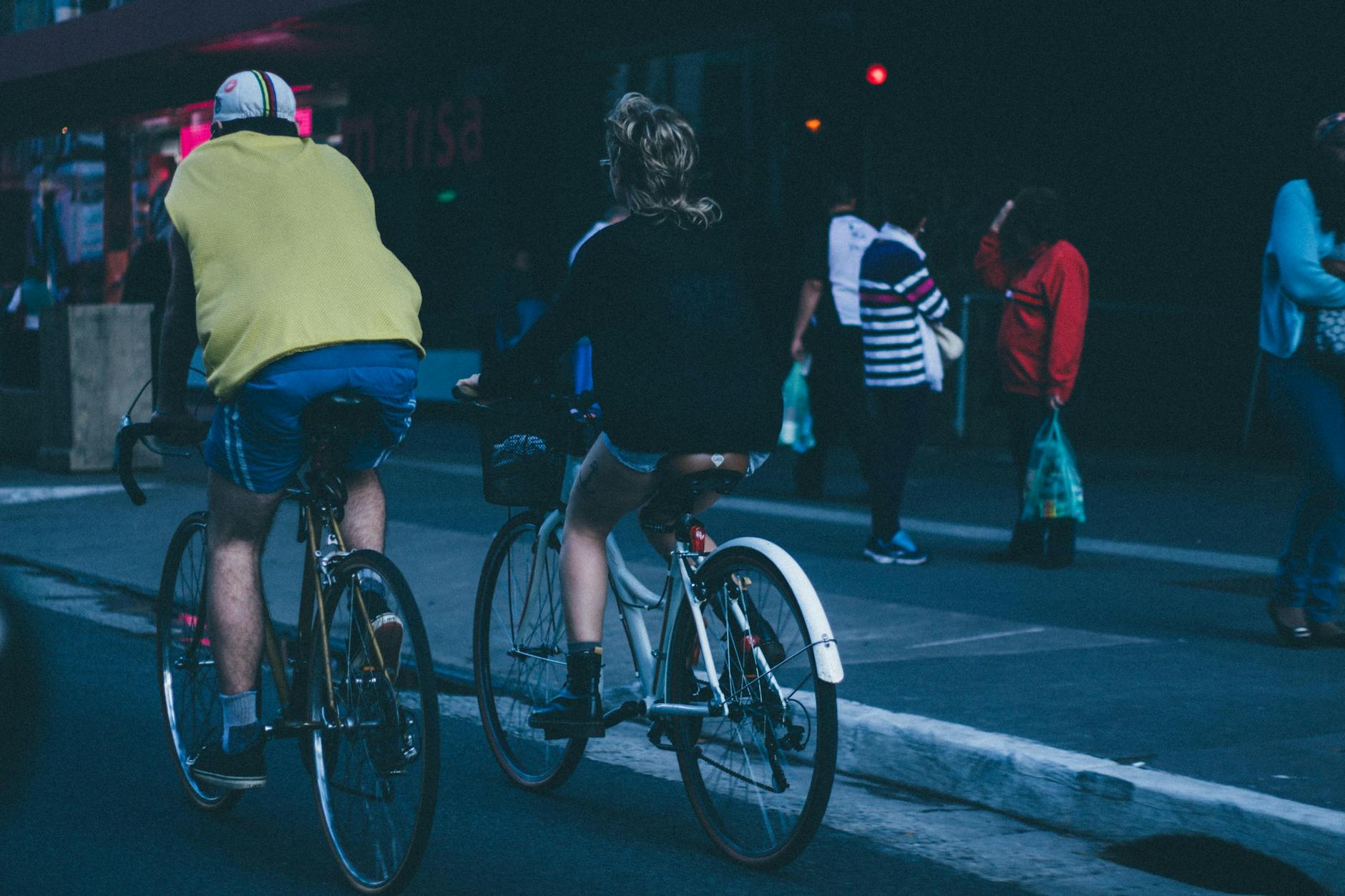
Many aggressive encounters start before the driver even sees the cyclist clearly. Darkness, glare, rain, or the cyclist being in a vehicle’s blind spot can lead to aggressive honking or swerving that’s partly startlement and partly anger. You can’t prevent all aggression, but you can reduce the chance that a driver will feel surprised or threatened by your presence. This means using lights—front and rear—especially at dawn, dusk, and night. It means wearing reflective gear or bright colors. It means signaling your intentions clearly: hand signals, slowing gradually, holding your line.
However, here’s an important limitation: prevention can only take you so far. A driver who is determined to be aggressive will be aggressive regardless of how visible you are. Some riders report being yelled at even in full daylight, in bright colors, with lights blazing. Visibility reduces accidental conflicts and may dissuade drivers who are momentarily angry; it does not prevent deliberate aggression. That said, the data suggests that most driver-cyclist conflicts are a mix of visibility, inattention, and frustration—not pure malice. So while prevention won’t make you invulnerable, it does reduce your odds of being on the receiving end of a hostile encounter in the first place.
What to Do After an Aggressive Encounter
After an encounter, adrenaline can mask injury. You may feel fine for an hour and then realize you’re shaking, that your neck hurts, or that you have road rash you didn’t notice. Take time to stop, find a safe place, and check yourself. If you were struck, hit your head, or have any pain, seek medical attention. Do not minimize injuries just because you’re embarrassed or want to keep riding. Document any injuries with photos, and report them to police.
Then, take time to process the emotional impact. Many cyclists report feeling anxious or angry for hours or days after an aggressive encounter. Some avoid riding the same route for weeks. This is normal. Consider talking to other cyclists about the experience—you’ll likely find you’re not alone, and shared stories help normalize the fear. If the anxiety persists or interferes with your riding, consider speaking with a counselor or therapist. Road rage incidents are trauma, even if they don’t result in physical injury, and it’s valid to take care of your mental health afterward.
The Bigger Picture—What’s Changing for Cyclists on the Road
The surge in cyclist fatalities and injuries, combined with anecdotal reports of rising aggression, points to a shifting dynamic on roads. A cycling safety instructor in Portland, Vivek Jeevan, experienced a road rage collision during a group ride in 2025 and had to call 911. This is notable not because it’s rare—it’s happening more often—but because even trained safety advocates are vulnerable.
The problem isn’t ignorance or careless driving; it’s a cultural shift where some drivers view cyclists as obstacles or provocations rather than vulnerable road users. Looking forward, the solution requires both individual skills (de-escalation, documentation, prevention) and systemic change (stricter penalties for aggressive driving, safer infrastructure, cultural messaging). For now, cyclists need to be both defensive and smart: ride defensively by anticipating danger and not relying on being seen, but stay smart by not engaging with aggression and by documenting everything. The cyclists who survive and thrive are the ones who focus on what they can control.
Conclusion
When an aggressive driver targets you, your priority is de-escalation and disengagement. Do not respond verbally or with gestures. Focus on breathing, riding predictably, and removing yourself from the situation. If it escalates to physical threats, dismount and call 911.
Documentation—license plate, vehicle details, witnesses, footage—is your tool for accountability and legal protection. The rise in cyclist fatalities and injuries reflects a real and growing problem on our roads. You can’t prevent all aggression, but you can reduce your risk through visibility, clear signaling, and careful riding. And you can protect yourself by staying calm, documenting incidents, and understanding that how you behave during an encounter affects your legal standing afterward. Stay safe, stay aware, and don’t hesitate to report dangerous drivers.


