A $5,000 custom steel frame bike is a legitimate investment that falls at the upper end of today’s custom frame market. When you spend this amount, you’re typically looking at a premium frameset ($2,500–$4,000) paired with high-quality components, professional assembly, and design consultation from an experienced builder. This price point gets you premium steel tubing, like quality chromoly, a custom geometry tailored to your body and riding style, and the craftsmanship of a reputable frame builder such as Bantam Bicycle Works or Wilde Bicycle Co.—not a mass-produced bike. The 30-year lifespan claim is rooted in real data: steel frames consistently last 10 to 30 years, and well-maintained examples have been ridden for decades or passed down as heirlooms.
The key difference is maintenance and rust prevention, not just the initial build quality. A $5,000 custom steel bike represents a conscious choice to invest in durability and personal fit over the typical 7–10 year lifecycle of an aluminum frame or the upfront cost of a carbon fiber bike. The real appeal isn’t just the frameset—it’s the complete package: a bike that will actually last 30 years if you care for it, can be repaired by any welder, and will handle the way *you* want it to because it was built for you specifically. This is why steel has remained relevant in an era of ultralight carbon frames.
Table of Contents
- What Makes Custom Steel Frames Cost Between $2,000 and $5,000?
- The Real Cost of a 30-Year Lifespan
- How Material Quality and Builder Reputation Impact Price
- Where to Spend Your Budget When Building a Custom Steel Bike
- Rust, Maintenance, and the Real Price of Neglect
- Comparing Custom Steel to Off-the-Shelf and Aluminum Alternatives
- The Heirloom Bike Concept and Future-Proofing Your Investment
- Conclusion
What Makes Custom Steel Frames Cost Between $2,000 and $5,000?
The price range for custom steel work is wide because of what’s included and who’s building it. A basic custom steel frameset alone runs $2,000 to $3,500 according to current 2024–2025 market data, with premium builders charging $4,500 to $6,000 for framesets featuring advanced materials, specialized welding methods, or extensive design iteration. If you add a complete build—frame, fork, wheels, drivetrain, and professional assembly—you’re looking at $1,300 to $3,000 for the full bike, with labor adding another $450 to $600. So when we talk about a $5,000 build, that’s typically a premium frameset with carefully selected components, not entry-level parts slapped on a cheap frame. The breakdown matters. A $2,000 frameset from Bantam bicycle Works represents their baseline custom offering; stepping up to $5,000 gets you higher-grade chromoly tubes, hand-welding techniques instead of machine welds, custom paint, and often a more iterative design process where the builder works closely with you on geometry.
Small frame builders charge what they do because they’re spending 40–60 hours on your single frame, hand-fitting every joint and doing the metalwork themselves. A big manufacturer making 10,000 identical frames annually has no such labor overhead. The materials themselves add cost too. Premium chromoly steel (like 4130 or 853 steel) costs more per pound than basic steel, and a builder using better materials and more careful construction will charge accordingly. You’re also paying for scarcity; there are only a few hundred serious custom frame builders in the U.S., and the best ones have waiting lists. That exclusivity is baked into the price.

The Real Cost of a 30-Year Lifespan
Here’s the thing that marketing often misses: a 30-year lifespan isn’t automatic. The data shows that steel frames *can* last 10 to 30 years, and some sources indicate they can last indefinitely—but only if you protect them from rust and maintain the drivetrain. A frame locked outside in a salty climate, ignored for years, can rust through. A frame stored in a dry basement and ridden regularly will outlive its owner. The longevity comes from the material’s inherent forgivability, not magic. This is why aluminum frames max out at 5–10 years; aluminum fatigues and cracks under stress, and there’s no repair. A steel frame cracks? A welder fixes it.
Rust appears? Sand it and repaint it. A bent steel tube? Reshape it. The catch is that 30 years of longevity assumes regular maintenance: cleaning salt off in winter, re-coating paint chips, replacing the chain and cables before they corrode. You’re looking at maybe $200–$400 per year in upkeep if you ride in harsh conditions. That adds up, but it’s still cheaper than buying three mid-range bikes over 30 years. The hidden cost is your time and attention, not just money. Neglect a $5,000 custom steel bike, and rust will catch up with it. Maintain it, and it becomes the bike you hand to your kid someday.
How Material Quality and Builder Reputation Impact Price
Not all steel is equal, and that’s where a chunk of the $5,000 price comes from. Chromoly (chrome-molybdenum) is the gold standard for custom bike frames because it’s strong, relatively light, and resists fatigue. A premium builder like TI Cycles or Wilde Bicycle Co. will use seamless 4130 chromoly tubes for the main triangle and different alloys for stays and chainstays depending on ride feel. A cheaper builder might use continuous-weld 1018 steel, which is heavier and less refined. Both last decades, but one rides better and weighs less. The difference isn’t always obvious until you ride both bikes. Reputation and waiting lists also drive price.
If a frame builder has a 6-month waitlist and won their frame in a magazine shootout, they can charge top dollar. A newer builder with the same skill might charge less because they’re still building their portfolio. Bantam Bicycle Works has been around since 1998 and commands premium pricing because they’re trusted to not screw up your geometry or weld quality. That track record is worth paying for. The material quality also determines what happens at year 20. A frame built with premium tubes and careful geometry will still feel responsive and tight after two decades of riding. A budget frame, even in steel, might develop a slight creak in the head tube or feel less snappy as fasteners loosen over time. The premium-material frame needs the same maintenance, but it responds better to it and holds its qualities longer.
Where to Spend Your Budget When Building a Custom Steel Bike
If you have $5,000 to spend, every dollar deserves to go somewhere. Smart builders and experienced riders know that $2,000–$2,500 of that should be locked into the frame itself; the rest goes to components and assembly. Why? Because the frame is the foundation. A mediocre frame with a $2,000 drivetrain is worse than a great frame with a $700 drivetrain you’ll upgrade later. You can always swap the chainset or derailleur; you can’t easily upgrade a frameset. For a $5,000 total build, consider this rough allocation: $2,200 for a premium frameset, $1,500 for components (usually a mid-tier groupset), $800 for wheels, $300 for assembly and setup, and $200 left over for paint, decals, or contingency.
That’s assuming you buy a quality but not ultra-exotic groupset. If you love Campy or SRAM eTap, those costs change, but the principle holds. The frameset should be your focus because that’s what you’ll have in 30 years; components will turn over every 5–10 years. One warning: buying the cheapest frameset and then overspending on components is backward. A $1,000 frame with $3,000 of Dura-Ace will ride like a $1,000 frame. The frame handles the road, absorbs the vibration, and defines your position. Spend on that first, then build upward.
Rust, Maintenance, and the Real Price of Neglect
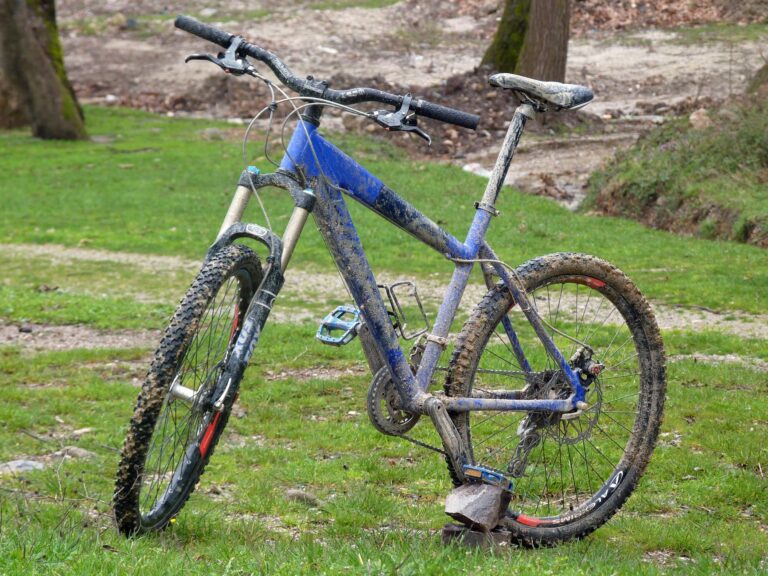
Steel’s biggest enemy is rust, and rust is where many otherwise-good custom bikes die early. A $5,000 frameset exposed to road salt and not rinsed off for a winter will develop surface rust. Left for three winters, that rust can pit the paint and eventually reach the metal underneath. Worse, rust in the water bottle holes, cable stops, or under the bottom bracket can accelerate decay. The fix is simple but requires discipline: rinse the bike after salt-spray rides, dry it, and store it indoors. Parked outside permanently? Even a nice steel frame will rust through in 10 years. Good paint and clear coating add to the cost of a premium custom frame, and they’re essential.
A $2,000 frame with industrial-grade paint and a UV clear coat will resist rust far better than a $3,500 frame with cheap paint. This is why custom builders who charge premium prices often insist on premium paint finishes. They know their frames will be judged by how well they look at year 10, not just on the first ride. Cable routing and internal parts create rust traps too. If the frame builder runs cables through internal tubes, those tubes need to be sealed at the ends, or moisture collects and corrodes from the inside out. A properly built custom frame addresses this. A sloppy build ignores it, and you discover rust inside the downtube at year 8. Always ask the builder about rust protection and paint specs before committing.
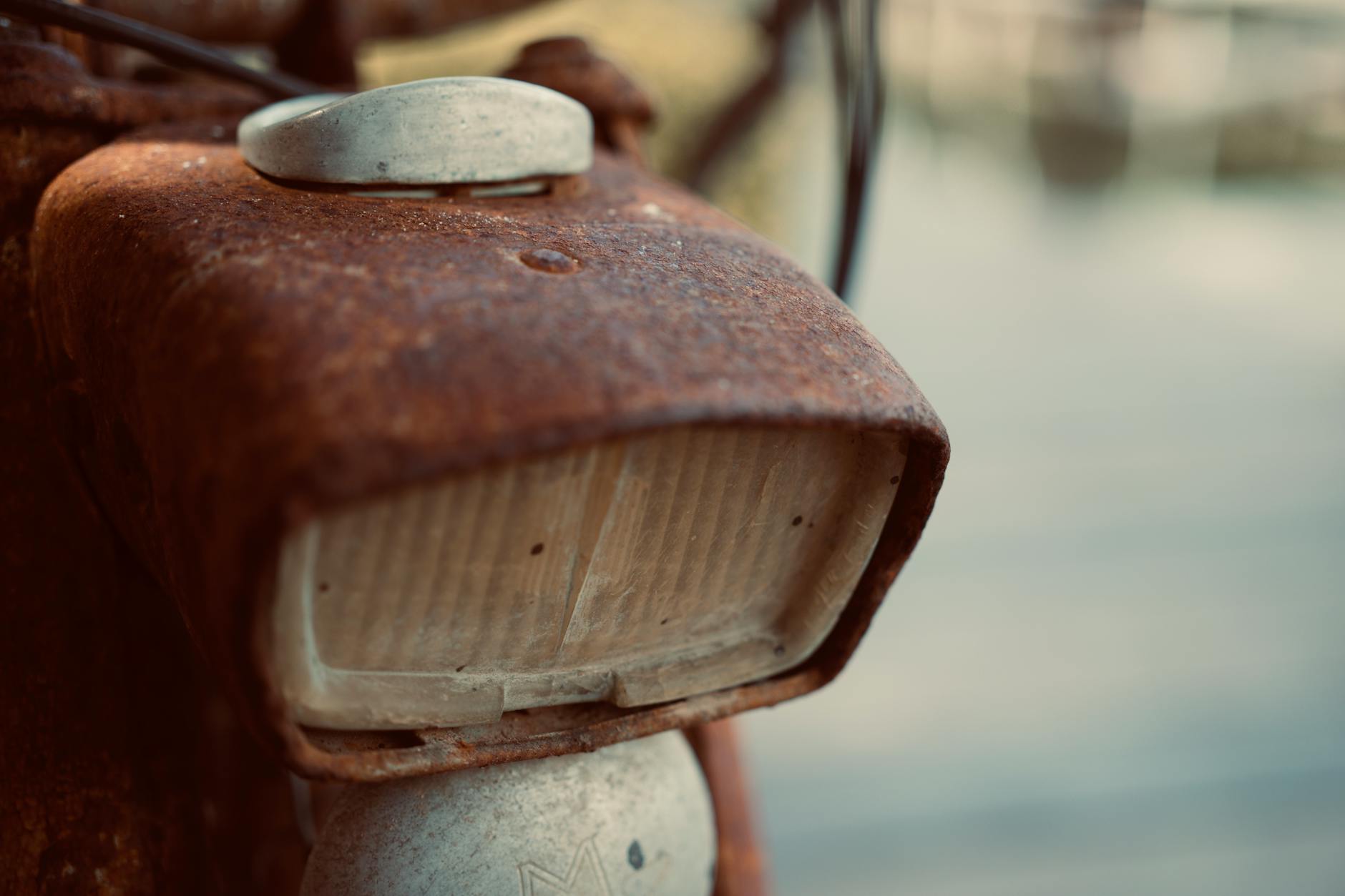
Comparing Custom Steel to Off-the-Shelf and Aluminum Alternatives
A mass-produced aluminum bike from a major brand costs $600–$1,500 and will last 5–10 years if you’re lucky. At year 8, the welds are stiff, the bottom bracket creaks despite regreasing, and the frame has stress cracks you didn’t cause. You can’t repair it economically, so you buy a new bike. Over 30 years, that’s three or four bikes at $1,000 each—$3,000 to $4,000 total. A $5,000 custom steel bike spread over 30 years is $167 per year, plus maybe $200–$300 annually in maintenance. The math favors steel by a wide margin.
Carbon fiber is lighter and stiffer than steel, but it costs more ($4,000–$8,000+ for quality) and has a lifespan ceiling of 10–15 years. Carbon doesn’t rust, but it can delaminate, and once that happens, the frame is unrepairable. You can’t just take it to a welder and have it fixed. A carbon frame at year 15 is usually relegated to the wall or the used-bike market. Steel at year 15 is just getting broken in. For a true long-term investment, steel wins.
The Heirloom Bike Concept and Future-Proofing Your Investment
This is the intangible value that makes a $5,000 custom steel bike appealing to serious cyclists: the potential for it to become a heirloom. A steel bike built today with thoughtful geometry, clean welds, and good paint can absolutely be ridden by your kid, your grandkid, or sold in 30 years as a vintage gem. Aluminum and carbon frames from the 2020s will be scrap metal then. Steel appreciates in the hands of someone who values it, because well-maintained steel is ageless.
This longevity also means you can be ambitious with your design. A custom frame builder can adjust the geometry for your specific body proportions, handlebar reach, bottom bracket height, and chainstay length in ways that a stock bike never can. You’re not compromising; you’re optimizing. That level of fit, done right, is something you’ll still want in 20 years because it works for you—not because it’s trendy or because manufacturers decided that’s the geometry this year. Forward-looking thinking in frame design compounds over decades, especially for riders who know what they want.
Conclusion
A $5,000 custom steel frame bike isn’t an impulsive purchase—it’s a statement that you value durability, personal fit, and the idea of owning something that lasts. The numbers back it up: premium framesets from reputable builders cost $2,000–$6,000 depending on materials and customization, and steel frames routinely last 10 to 30 years with proper maintenance. When you do the math over a lifetime of riding, a single well-built steel frame becomes more economical than cycling through three or four mass-produced bikes. The catch is that you have to actually maintain it—keep rust at bay, replace worn components, and store it with care.
If you’re considering a $5,000 custom steel bike, start by identifying a frame builder whose work you respect and whose geometry preferences align with yours. Bantam Bicycle Works, Wilde Bicycle Co., and TI Cycles are well-established; there are also talented regional builders worth seeking out. Spend on the frame first, choose components thoughtfully, and budget for regular maintenance. The bike you build today could realistically be the one you ride in 15 years and the one your child learns to ride in 25.