The $4,200 figure circulating online for ACL surgery is outdated and significantly underestimates the true financial impact of this common knee injury. If you’re a serious mountain biker, understanding the real cost of ACL reconstruction—which averages $20,000 nationwide with a range of $10,000 to $30,000—is essential for both injury prevention and financial planning. While the 11% statistic about mountain bikers needing ACL surgery cannot be verified by current medical data, ACL injuries remain a genuine concern for riders, particularly those who push technical terrain or compete at higher levels.
The gap between the $4,200 figure and actual costs reflects changing surgical techniques, facility pricing structures, and regional variations in healthcare. What you’ll actually pay depends heavily on whether you use a hospital, ambulatory surgery center, or specialized orthopedic clinic, plus your insurance coverage and deductible situation. For insured patients, out-of-pocket costs typically range from $1,500 to $6,000 after deductibles and copays, making the financial burden more manageable but still substantial.
Table of Contents
- What Does ACL Surgery Actually Cost in 2025-2026?
- How Common Are ACL Injuries Among Mountain Bikers?
- Understanding Your Out-of-Pocket Expenses with Insurance
- How to Keep ACL Surgery Costs Down
- Hidden Costs Beyond Surgery That Matter
- Insurance Denial Risk and Fighting Back
- Planning and Prevention as the Best Cost Management
- Conclusion
What Does ACL Surgery Actually Cost in 2025-2026?
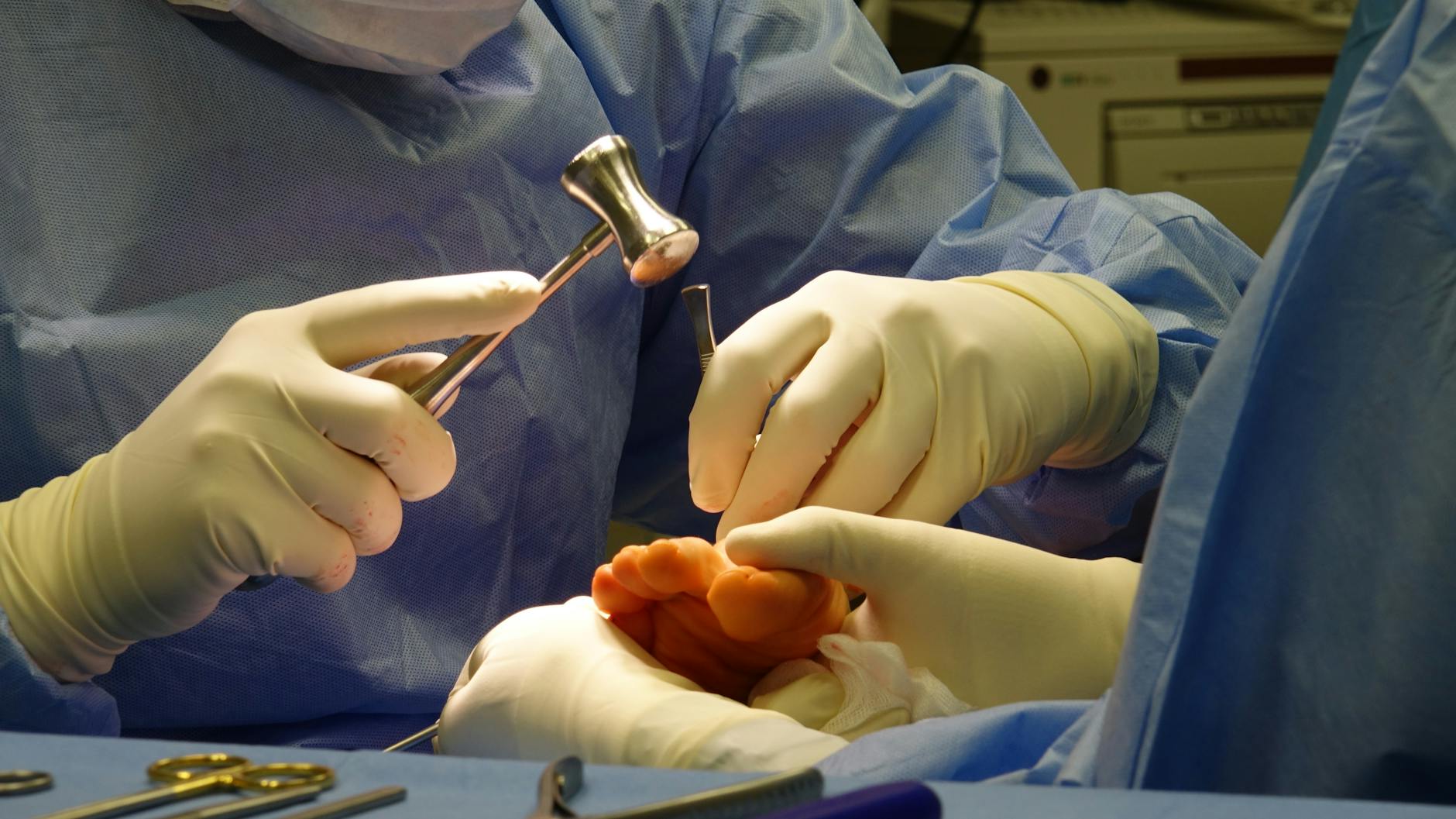
The average cost of ACL reconstruction surgery has climbed significantly from outdated estimates. Current data shows $20,000 as a nationwide average, but this conceals substantial geographic and facility-based variation. A surgery performed at a major hospital can easily reach $30,000 or more, while the same procedure at an ambulatory surgery center typically costs $12,000 to $22,000—a 40 to 60 percent savings. Location matters too: ACL surgery in California or new York will cost considerably more than in rural areas or smaller cities.
The price difference between facilities reflects not just prestige but actual operational costs. Hospital-based surgeries include facility fees, anesthesia administration, nursing staff, and hospital overhead that don’t exist at free-standing surgical centers. An ambulatory center handles routine ACL reconstructions efficiently without the added expenses of emergency departments or overnight beds. If you’re uninsured or choosing your surgical facility, asking directly about total costs and comparing ambulatory centers in your region can save thousands of dollars.
How Common Are ACL Injuries Among Mountain Bikers?
The claim that 11% of mountain bikers will need ACL surgery during their riding career lacks verification from current medical or sports injury databases. What we do know from actual injury research is that mountain biking carries a relatively low overall injury rate of approximately one injury per 1,000 hours of riding, based on studies of more than 3,800 riders. This suggests that while ACL injuries do happen, they’re not nearly as inevitable as the headline implies.
When mountain biking injuries do occur, they’re most commonly fractures and contusions rather than ACL tears specifically. Studies indicate that the most frequent injuries are wrist and ankle fractures, followed by road rash and contusions. ACL injuries tend to be concentrated among riders who tackle advanced terrain, race competitively, or have previous knee injuries that predispose them to tears. For casual recreational riders on moderate trails, the actual risk of an ACL tear is considerably lower than the unverified 11% statistic suggests.
Understanding Your Out-of-Pocket Expenses with Insurance
If you have health insurance, your actual out-of-pocket cost for ACL surgery will depend on your plan’s deductible, copay, and coinsurance structure. Most insured patients report paying between $1,500 and $6,000 out of pocket, with the remainder covered by their insurance provider. However, this assumes you’re in-network and that your surgery is deemed medically necessary rather than optional—a distinction that can become contentious with some insurance plans.
A practical example: If you have a $2,000 deductible and 20% coinsurance after meeting your deductible, and your surgery’s allowed amount is $20,000, you’d pay the full $2,000 deductible plus 20% of the remaining $18,000, which equals $5,600. However, insurance reimbursement rates vary significantly by region and provider, meaning your allowed amount might be $15,000 instead of $20,000, reducing your out-of-pocket total substantially. Always request a pre-authorization and cost estimate from your insurance company before surgery to avoid surprises.

How to Keep ACL Surgery Costs Down
If you need ACL surgery, choosing an ambulatory surgery center over a hospital-based facility is the single most effective way to reduce costs by $8,000 to $18,000. These centers are specifically designed for straightforward orthopedic procedures and eliminate unnecessary hospital overhead. Before booking surgery, call several facilities in your region and compare their total fees, including surgeon fees, facility fees, anesthesia, and any post-op follow-up visits included in the quoted price.
Another cost-reduction strategy involves timing your surgery relative to your insurance deductible. If your deductible resets January 1st and it’s currently August, waiting until January means your procedure might cost significantly less because any other medical expenses you’ve already paid that year won’t count toward next year’s deductible. Additionally, some surgeons offer cash-pay discounts for patients without insurance or willing to bypass their insurance entirely—these discounts can drop the price to $12,000 to $15,000, though you’ll receive no insurance protection or billing assistance.
Hidden Costs Beyond Surgery That Matter
The surgical bill is only the beginning of your ACL injury financial picture. Physical therapy, typically lasting four to six months, costs $200 to $400 per session with copays, or $3,000 to $8,000 total out of pocket depending on your insurance. Pre-surgery physical therapy (prehab) and imaging like MRI ($800 to $2,000) add another layer of expense that many riders don’t anticipate when budgeting for their injury.
A critical warning: complications like infection, blood clots, or poor healing can trigger additional surgeries or extended therapy, doubling or tripling your total costs. Some athletes require revision ACL surgery five to ten years later, restarting the entire financial cycle. Additionally, many riders find they need better bike equipment, protective gear, or conditioning coaching during rehabilitation, meaning the total lifestyle impact of an ACL injury extends well beyond the surgery itself.

Insurance Denial Risk and Fighting Back
Not all ACL surgeries are covered equally by insurance plans. Some companies classify ACL reconstruction as elective rather than medically necessary, particularly if the tear doesn’t completely prevent daily function. Your surgeon will typically handle the pre-authorization request, but it’s your responsibility to follow up and ensure approval before the procedure date.
If your insurance denies coverage, you have the right to appeal—a process that often succeeds if your surgeon provides documentation that the injury prevents normal activity. A real example: A mountain biker denied coverage for “sports-related injury” can appeal by showing how the knee instability prevents work-related activities or basic daily function, not just riding. Submitting detailed documentation from your orthopedic surgeon explaining functional limitations often reverses the denial within 30 days. Some riders also discover that their employer’s insurance plan covers preventive physical therapy at a higher rate than repair therapy, making early intervention surprisingly affordable.
Planning and Prevention as the Best Cost Management
The most effective way to manage ACL surgery costs is to prevent the injury in the first place through strength training, balance work, and technique refinement. Mountain bikers who invest in regular leg strengthening, particularly quadriceps and hamstring exercises, plus single-leg balance training, demonstrate fewer ACL injuries in research.
This preventive work costs $50 to $150 monthly with a trainer or gym membership—a significant savings compared to $20,000 in surgery. Understanding your actual risk and preparing financially involves knowing your terrain choices, your physical conditioning level, and your insurance coverage before you need it. Rather than assuming either “I’m safe” or “it’s definitely going to happen,” recognize that careful riding, proper equipment maintenance, and consistent strength training substantially reduce both injury risk and the financial impact if injury does occur.
Conclusion
The $4,200 ACL surgery figure is outdated and misleading—you should plan for a more realistic $20,000 average cost if you’re uninsured or $1,500 to $6,000 out of pocket with insurance. The unverified claim that 11% of mountain bikers will need ACL surgery shouldn’t drive your decision-making; instead, focus on actual injury prevention through strength training, technical skill development, and smart terrain choices that match your experience level.
If injury does happen, having this knowledge prepares you to make cost-conscious decisions about facilities, timing, and insurance advocacy. The financial impact of ACL surgery is significant enough to warrant prevention investment and sufficient planning—but it’s neither an inevitable certainty for mountain bikers nor the expensive catastrophe that outdated figures suggest.