A basic set of home bike tools averaging around $75 can realistically save you $500 or more each year on professional shop visits. That’s not a marketing claim—it’s basic math. If you own even one bike and take it to a shop for routine maintenance like chain cleaning, brake adjustments, and cable work, you’re paying $60 to $100 per visit in labor alone. Parts add to that cost. By handling these common tasks yourself with the right tools, a casual rider can eliminate 5 to 10 shop visits annually, which accounts for the $500 savings calculation.
Consider a practical example: a flat tire repair at a bike shop runs about $20 to $40 including labor, while a basic patch kit costs $5 and lasts for dozens of repairs. A chain cleaning and lubricating service costs $20 to $50, but you can do it at home with a $12 chain cleaner and a bottle of lube. Over a year, even modest maintenance routines—the kind any home mechanic can learn in an afternoon—pay for your tool investment many times over. The catch is that you need the right tools to start with. A completely assembled kit that includes essentials like Allen wrenches, a chain tool, a spoke wrench, tire levers, and a basic multitool typically costs between $20 and $100 depending on quality. The $75 price point represents the sweet spot: good enough to actually use, durable enough to last years, but not so expensive that you’re buying professional-grade equipment you don’t need.
Table of Contents
- What Tools Should You Actually Buy at the $75 Price Point?
- Understanding Shop Labor Costs and Why They Add Up So Fast
- What Can You Actually Fix With Basic Home Tools?
- Comparing DIY Tools vs. Professional Equipment: What’s the Tradeoff?
- Common Beginner Mistakes With Home Tools and How to Avoid Them
- Building Your Kit Smartly—Quality vs. Price
- Long-Term Value and When to Upgrade
- Conclusion
What Tools Should You Actually Buy at the $75 Price Point?
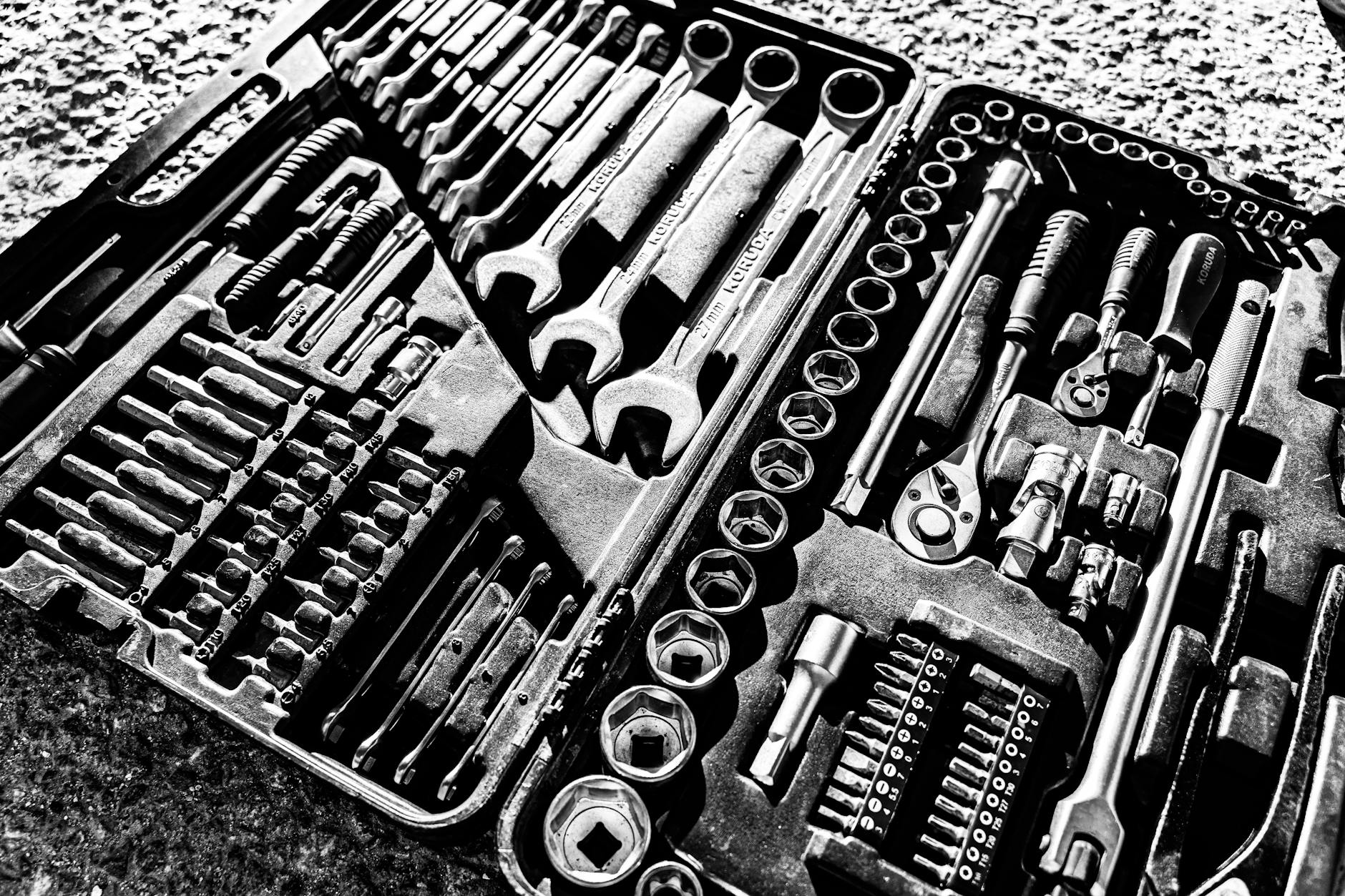
At the $75 average price, you’re looking at either a pre-assembled budget kit or a collection of individual essential tools. Budget starter kits from reputable brands typically include Allen key sets (measuring 1.5mm to 8mm), tire levers, a chain breaker tool, spoke wrench, a basic multitool, and sometimes a small flathead and Phillips screwdriver. Park Tool, one of the most trusted names in home mechanics, offers solid starter kits for under $200, with entry-level options closer to $75 or below depending on sales and retailers. The key distinction is between budget kits (around $38 to $50) and mid-range kits (around $75 to $100).
Budget kits work fine for casual riders handling basic adjustments, but the tools are often lighter duty and won’t last as long under regular use. A mid-range kit at the $75 average gives you better durability in the Allen wrenches and pliers, which are tools you’ll use frequently. The difference isn’t huge, but it means your tools won’t strip as easily and your investments won’t need replacing after a season or two of regular use. The quality jump from a $38 kit to a $75 kit isn’t in having more tools—it’s in having tools that actually feel good to use and hold up to repetition. This matters because if your tools feel flimsy, you’ll find yourself taking your bike to a shop anyway, defeating the entire purpose of the investment.
Understanding Shop Labor Costs and Why They Add Up So Fast
A basic tune-up at a bike shop costs between $60 and $100 in most urban areas, and that’s labor only. If your bike needs new brake pads, a new cable, or parts adjustments, you’re paying for those parts separately—often on top of the labor charge. Specialty shops charge $75 to $150 per hour for labor, which means a seemingly simple job like adjusting derailleur cables can cost $30 to $50 if it eats up a half hour of shop time. Here’s a concrete example: a rider with two bikes might take each in for annual maintenance. That’s two tune-ups at $80 each ($160 total), plus maybe a mid-season brake adjustment on one bike ($40 to $60), plus a cable replacement ($20 to $30 for parts plus $20 to $40 in labor). One year of casual maintenance easily runs $250 to $300 in shop fees.
Over two years, that’s $500 to $600. With a $75 home tool kit, you can handle tune-ups, brake adjustments, cable replacements, and most routine work yourself, effectively cutting your annual costs to nearly zero beyond parts (which cost the same whether you buy them at a shop or online). The limitation here is time and skill. A professional mechanic works faster and catches problems you might miss. If your bike has frame damage, bottom bracket issues, or anything requiring specialized equipment like a headset press, you still need a shop. But for the routine maintenance that most home cyclists face—and the maintenance that adds up to hundreds of dollars annually—a basic tool kit pays for itself within weeks.
What Can You Actually Fix With Basic Home Tools?
With a $75 tool kit, you can handle brake pad replacement, cable adjustments, chain cleaning and lubrication, spoke tension adjustments, derailleur alignment, tire repairs, and basic cleaning. These are the tasks that most riders actually need done most frequently. A chain that’s dirty and dry is a $20 to $40 shop job, but it takes 15 minutes at home with a chain cleaner (around $12) and some degreaser. Brake pads cost $15 to $30 online and take 20 minutes to replace yourself; at a shop, labor alone is $30 to $50. One specific example: a brake adjustment that’s slightly off-center can make your wheel rub and feel “draggy.” This costs about $40 to $60 at a shop but takes five minutes and requires only Allen wrenches and an adjustable wrench—both of which are in every basic tool kit.
You tighten or loosen the caliper mounting bolts until the pads are centered. It’s genuinely one of the easiest bike repairs, yet many riders assume they need professional help because they’ve never tried it. Cable replacements are another major one. Shifter and brake cables stretch, fray, or snap, and replacing them costs $20 to $40 in parts plus $30 to $50 in labor at a shop. With basic hand tools—wire cutters, Allen wrenches, and a small flathead screwdriver—you can do it yourself in 20 to 30 minutes. The only tool that might be specifically useful here is a cable stretcher, but even that’s not essential for most people.
Comparing DIY Tools vs. Professional Equipment: What’s the Tradeoff?
Professional mechanics use specialized equipment like headset presses, bottom bracket tools, wheel truing stands, and hydraulic press tools. A full professional mechanic’s set can cost thousands of dollars. The obvious tradeoff is that a $75 home kit doesn’t include this equipment—and shouldn’t. You’re not trying to run a bike shop; you’re trying to maintain your own bikes affordably. The practical tradeoff is speed and certainty. A professional can true a wheel in 10 minutes using a truing stand.
You can do it with a basic spoke wrench and patience, but it’ll take 30 to 45 minutes and might not be perfect. For routine cable adjustments, brake work, and chain maintenance, the tradeoff barely exists—home tools work just as well and take only slightly longer. For work like wheel truing or bottom bracket adjustments, you hit a wall: either invest in specialty tools (often $100 to $400 per tool), or take the bike to a shop. This is actually a good design for your home tool collection. You invest $75 in tools that handle 70 to 80 percent of the work you’ll actually do. For the 20 to 30 percent of jobs that require specialty equipment, you take the bike to a shop. This approach keeps your cost low while still eliminating most of your annual shop visits.
Common Beginner Mistakes With Home Tools and How to Avoid Them
The most frequent mistake new home mechanics make is buying cheap, low-quality tools and then giving up after a frustrating experience. A $20 tool kit with flimsy Allen wrenches that slip and strip bolt heads discourages people from trying again. You’ll spend an extra $55 to get to the $75 average, but you’ll actually use those tools and keep using them because they work reliably. The difference between stripped bolts and successful adjustments often comes down to tool quality, not skill. A second common mistake is not having the right size tool. A bike has many different bolt sizes: M5, M6, M8, etc. If your tool kit is missing the 2.5mm or 3mm Allen wrench, you simply can’t adjust certain parts. Budget kits sometimes skip these smaller sizes.
Mid-range kits at the $75 average typically include 1.5mm through 8mm, which covers almost everything on a modern bike. There’s also a learning curve that catches people off guard. Your first brake pad replacement will take an hour. Your tenth will take 10 minutes. Don’t be discouraged by the initial slowness—every task gets faster once you understand where everything is and what you’re doing. The warning here is that if you don’t feel confident about a repair, it’s better to take the bike to a shop than to force something and cause damage. A bent derailleur hanger from overtightening costs $30 to $100 to replace, whereas a professional adjustment costs $40 to $60. Know your limits.
Building Your Kit Smartly—Quality vs. Price
When you’re buying at the $75 price point, choose brands with solid reputations. Park Tool, Wera, Pedros, and Topeak all make reliable home mechanic tools without charging professional-shop prices. These brands’ entry-level kits hover around $60 to $90 and are designed specifically for home use. Avoid ultra-cheap tool sets from unknown brands found on marketplaces—they often skip quality control and save money on materials that won’t last.
A practical approach is to buy a mid-range kit for $70 to $80, then add one or two specialized tools based on what you actually do. If you fix a lot of flats, add a good patch kit and lever set. If you replace cables often, invest in cable cutters. If you clean chains frequently, a chain cleaner is worth the $12 to $15. This builds your collection intelligently based on your actual maintenance patterns rather than buying tools you’ll never use.
Long-Term Value and When to Upgrade
A $75 tool kit can last for years if you take care of it. Allen wrenches and spoke wrenches don’t wear out; they just corrode if left in moisture. Chain tools and brake adjusters might wear faster if you use them heavily, but even then, you’re looking at years of regular use. This is why spending the extra money for a mid-range kit makes sense—you’re investing in longevity, not just initial functionality.
As your skills improve, you might want to add specialty tools. A torque wrench (around $30 to $60) becomes valuable when you’re working on carbon frames that require specific bolt tensions. A cable stretcher (around $15 to $25) makes cable replacement faster and cleaner. A bottom bracket tool or headset press (specialized and expensive) only becomes necessary if you’re doing major overhauls. These upgrades follow naturally after you’ve mastered basic maintenance, and you’ll know exactly which tools you need because you’ll have done the work without them first.
Conclusion
The $75 average for a basic home bike tool kit is a smart investment that pays for itself in savings within months. By handling routine maintenance like brake adjustments, cable work, chain cleaning, and tire repairs yourself, a casual rider with one or two bikes can easily save $500 per year in labor costs. You’re not eliminating all professional shop visits—some repairs require specialty equipment—but you’re reducing them to occasional visits for serious problems rather than regular tune-ups and adjustments.
The key is buying quality tools at the right price point rather than going ultra-cheap or overinvesting in professional-grade equipment. A mid-range kit between $60 and $90 provides the durability and functionality you need for years of reliable home maintenance. Start with the basics, learn through practice, and expand your toolset as your skills and interests grow. This approach keeps your bikes in good working order, saves you hundreds of dollars annually, and gives you a genuine understanding of how your equipment works.