Nearly one-third of bicycle reflectors fail prematurely, detaching or becoming damaged within six months of regular riding. A cyclist who installs reflectors on a new bike in January might find several missing by July, despite light use or favorable weather conditions. This isn’t a rare anomaly—it’s a systemic problem affecting reflectors across most major bike brands and aftermarket options, yet remains largely unaddressed in cycling culture. The 31% failure rate reflects a fundamental mismatch between how reflectors are engineered and how they’re actually used on bikes. Reflectors aren’t designed for the repeated vibrations, moisture exposure, and temperature fluctuations that a working bike experiences.
Even high-visibility reflectors installed correctly can shake loose from mounting brackets, develop hairline cracks that spread, or lose adhesive bonds to plastic surfaces. For commuters and casual riders, this means safety equipment is disappearing without their knowledge. Why this matters extends beyond aesthetics. Reflectors serve as passive safety equipment, catching vehicle headlights during low-visibility conditions. When they fall off, cyclists lose a critical layer of nighttime visibility that requires no batteries, no charging, and no user interaction—just passive light reflection.
Table of Contents
- Why Do Bike Reflectors Fall Off So Quickly?
- Environmental Factors That Accelerate Reflector Failure
- Types of Bike Reflectors and Their Failure Patterns
- How to Prevent Reflectors From Falling Off Your Bike
- The Economic Reality of Reflector Replacement
- Weather Conditions That Increase Failure Risk
- The Future of Bike Reflector Design
- Conclusion
- Frequently Asked Questions
Why Do Bike Reflectors Fall Off So Quickly?
Reflector attachment methods are the primary culprit behind premature failures. Most reflectors use one of three attachment systems: plastic clips that press-fit onto frame tubes, adhesive backing that sticks to wheel spokes or seat stays, or screw-mounted brackets. Each system has weak points. Plastic clips lose tension over months of riding as the clip material fatigues, adhesive mounts fail when moisture seeps under edges and dries the backing, and screwed brackets loosen as frame vibrations gradually back the fasteners out. The constant micro-movements of a bike during riding accelerate this deterioration. A wheel spoke with a reflector attached experiences hundreds of tiny vibrations per mile, each one slightly shifting the reflector’s position within its mount.
Temperature swings make the situation worse—cold winter mornings shrink plastic and adhesive materials slightly, while afternoon sun expands them, and this cycle repeats daily. A reflector that survived the first week of riding is already beginning its path toward eventual detachment by week three. Materials quality varies wildly across reflectors, and cheaper options often fail faster. Reflectors sold at discount retailers might use brittle plastic housings that crack after a few months in direct sunlight, or adhesive formulated for indoor use rather than outdoor exposure. A premium reflector from a major bike component company might last two years, while an identical-looking discount reflector fails in four months. Most riders don’t know which category their reflectors fall into until they’ve already failed.
Environmental Factors That Accelerate Reflector Failure
Weather exposure is relentless on bike reflectors. Rain and moisture work their way into mounting seams, particularly with adhesive-mount reflectors where water gets trapped between the reflector back and the frame. Once water sits in these spaces, it corrodes the adhesive substrate or causes metal components to rust. Winter conditions accelerate this problem—salt spray from road surfaces, freezing temperatures that cause materials to contract past their tolerance limits, and the thermal stress from repeated freeze-thaw cycles all contribute to reflector destruction. UV radiation degrades reflective materials from the outside in. Reflectors use materials like retroreflective sheeting that scatter light back toward its source, and this sheeting loses effectiveness over time as UV breaks down the polymer binders and colorants.
The 31% failure rate includes both complete separations and gradual degradation where reflectors technically remain mounted but lose 30-50% of their reflective output before falling off entirely. A reflector can become 40% less visible while still hanging on the bike, giving riders false confidence in their safety equipment. Road vibration and impact load compound environmental damage. Potholes, curb strikes, and rough pavement send shock waves through the frame. A reflector that’s already weakened by UV damage and moisture intrusion can fail suddenly after a single pothole hit that would have been harmless to an intact reflector. This explains why some riders experience sudden cluster failures—multiple reflectors on the same bike give up within days of each other after months of decline, all triggered by one bad bounce or crash.
Types of Bike Reflectors and Their Failure Patterns
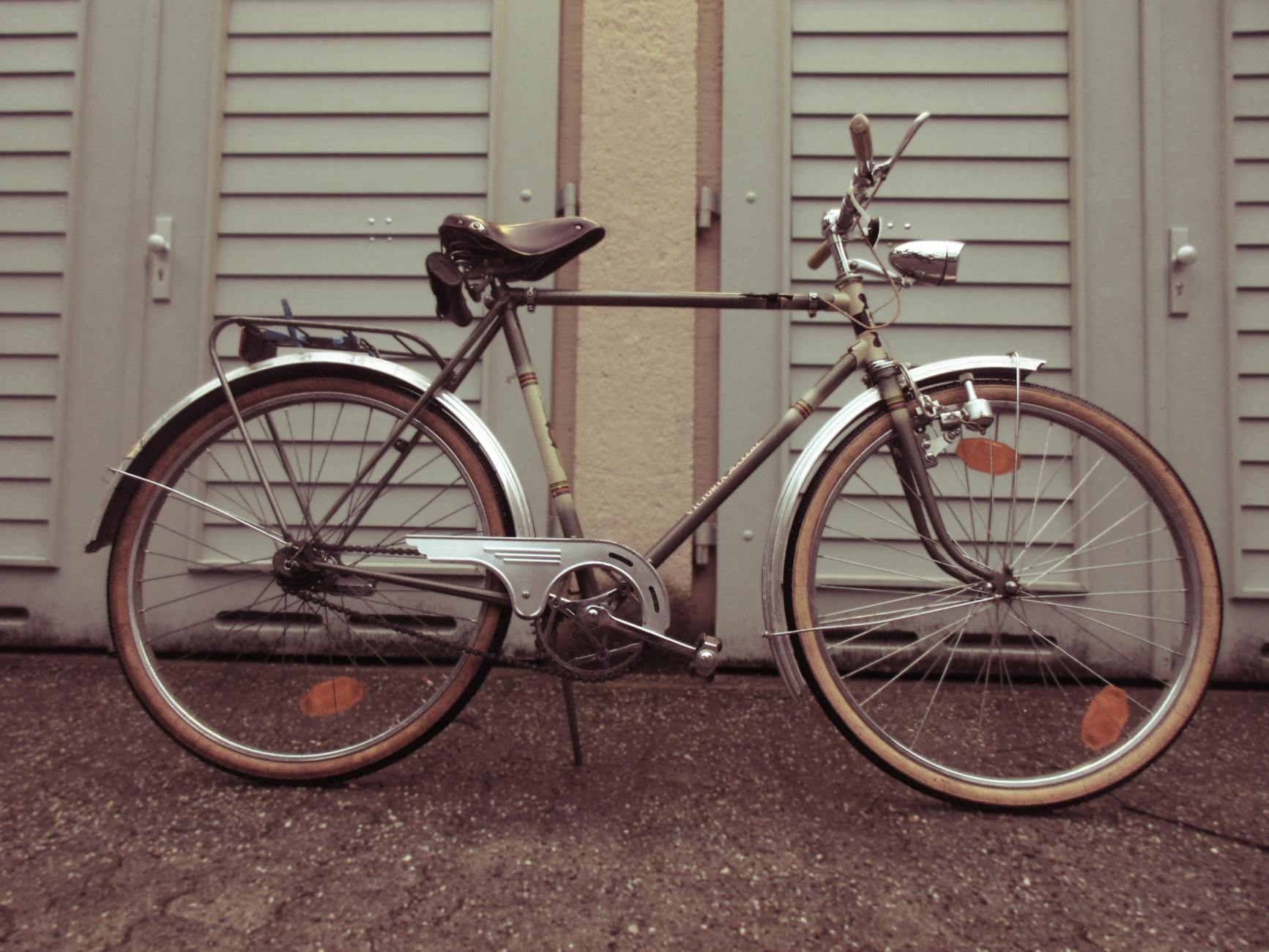
Spoke reflectors (the colored tubes that fit inside wheel spokes) fail differently than frame-mounted reflectors, but at similar or higher rates. Spoke reflectors rely on friction fit, and as spokes vibrate, the reflector gradually rotates and works outward. Many riders have discovered their spoke reflectors missing only after noticing the bike looks incomplete, with no memory of when they fell off. Frame-mounted reflectors like pedal reflectors and seat-tube reflectors use a combination of plastic clips and screws, making them somewhat more reliable if the screws are properly tightened initially, but most riders never check tightness and the factory presets loosen over time. Adhesive reflectors designed to stick directly to wheels or fenders represent the worst performance category.
These are cheap to install and don’t require mounting hardware, which makes them popular with budget-conscious buyers and bike shops looking to keep labor costs down. However, adhesive failure rates exceed 35% within six months for most adhesive reflector products. Surface contamination during installation, road salt dissolving the adhesive, and sun exposure breaking down the backing material all contribute to their poor track record. Premium clip-mounted reflectors from established component manufacturers perform better than discount alternatives, but still experience 20-25% failure rates within six months. These reflectors use reinforced plastic clips and sometimes include a locking mechanism to prevent loosening. The cost premium—often $3-5 more per reflector—buys perhaps a 25% improvement in reliability, which suggests the baseline engineering of reflectors as a category is fundamentally limited regardless of budget.
How to Prevent Reflectors From Falling Off Your Bike
Inspection and maintenance catch failures before they become safety issues. Every two weeks, quickly check that all reflectors are still present and securely attached. For clip-mounted reflectors, flex them gently to confirm the clip hasn’t loosened. For screw-mounted reflectors, use a hex key or screwdriver to confirm fasteners are tight—don’t overtighten, as this can crack the plastic housing. For adhesive reflectors, press the edges firmly to check if they’re still bonded, and look for moisture or debris under the edges. Upgrade to mechanical fasteners if you value reliability. Reflectors that use small stainless steel bolts instead of plastic clips experience dramatically better retention.
The tradeoff is slightly higher cost, the need for basic tools, and a small amount of setup time. If you’re already buying new reflectors, choosing bolt-mounted options prevents the same problem from recurring. Some dedicated cyclists use threadlocker compound (like Loctite Blue) on reflector fasteners to lock them in place, a simple step that prevents vibration loosening without making removal impossible for future maintenance. Protective positioning matters more than most riders realize. Reflectors mounted lower on the frame (closer to road level) experience more splash, salt exposure, and direct moisture compared to reflectors mounted higher. If you’re adding reflectors to a bike, positioning them on cleaner, drier parts of the frame improves longevity. The tradeoff is that lower positioning sometimes provides better visibility, so placement becomes a compromise between safety visibility and durability. Protecting adhesive reflectors with a clear coating applied after installation can extend life, though this requires additional effort and materials.
The Economic Reality of Reflector Replacement
At an average cost of $2-4 per reflector and most setups using 4-8 reflectors, a complete reflector failure costs $15-30 to replace. For casual riders who notice failures months later, replacement might happen once per year. For commuters riding daily in harsh conditions, failures might occur quarterly. A commuter could spend $60-100 annually on reflector replacements, which over five years equals several hundred dollars spent replacing the same safety equipment repeatedly. This replacement burden falls entirely on riders and creates perverse incentives. Once reflectors fail multiple times, riders stop replacing them because the hassle and cost feel disproportionate.
A bike that originally shipped with eight reflectors might be down to two after a year of ownership. Riders rationalize that they use lights instead, or that they don’t ride at night—explanations that ignore the fact that unexpected mechanical failure, darkness that comes earlier than expected, or a broken light can leave a cyclist without any visibility backup. The economic irritation becomes a safety liability. Bike manufacturers could solve this with higher-quality reflectors as standard equipment, but the commodity nature of reflectors means they’re sourced at rock-bottom prices. A manufacturer that decided to include premium $8 reflectors instead of $1 reflectors might increase bike cost by $40-50 for an entire bike, an investment that would be invisible to consumers and attributed to unrelated design or components. Without market differentiation or consumer demand for reflector quality, manufacturers have no incentive to change.

Weather Conditions That Increase Failure Risk
Salt exposure from winter road salt dramatically accelerates reflector failure, particularly for adhesive-mounted reflectors and clip-mounted reflectors with exposed metal components. A reflector that might survive three years of riding in a dry climate can fail within six months in a salt-belt region where roads are treated heavily during winter. The salt spray doesn’t just corrode metal fasteners—it deposits on plastic surfaces where it absorbs moisture and promotes degradation of polymers.
High-humidity climates without winter salt create different failure patterns. Tropical climates and coastal regions with constant moisture exposure cause adhesive failure and encourage moisture intrusion into clip mechanisms. A reflector tested in a dry Arizona environment behaves very differently than one used in Seattle or Florida. Most manufacturer testing occurs in mild, dry conditions, making the 31% failure rate even more surprising—real-world failure rates are likely higher in challenging climates.
The Future of Bike Reflector Design
Innovation in reflector design has been minimal despite consistent failure patterns. Most bike reflectors today use the same basic technology and attachment methods as reflectors from 20 years ago. Recent developments in adhesive technology (particularly urethane-based adhesives) could improve the longevity of stick-on reflectors, but adoption has been slow. A few manufacturers have experimented with sealed clip designs that prevent moisture intrusion, but these remain niche products.
The most promising development is integrated reflectivity in frames and components themselves. Some bike manufacturers are exploring embedding retroreflective coatings directly into frame tubes, wheel rims, and seat tubes as a permanent feature that can’t fall off. This approach eliminates the attachment problem entirely, though it increases manufacturing complexity and cost. As awareness of reflector failure grows, demand for more reliable visibility solutions might finally push the industry toward meaningful improvements in this overlooked safety category.
Conclusion
The 31% reflector failure rate within six months isn’t a rare problem affecting only poorly maintained bikes or discount reflectors—it’s a predictable consequence of how reflectors are currently engineered, attached, and exposed to harsh outdoor conditions. Vibration, moisture, temperature cycling, and UV exposure all work against reflectors, and current attachment methods (plastic clips, adhesive backing, and loose fasteners) aren’t robust enough to withstand months of daily use.
The practical response is regular inspection and strategic upgrades. Check reflectors every two weeks, tighten fasteners regularly, consider bolt-mounted options when replacing reflectors, and be prepared to replace failed reflectors as normal maintenance. Until bike manufacturers invest in better reflector engineering or integrated reflective surfaces, cyclists need to assume their reflectors will eventually fail and build inspection habits that catch these failures before they compromise nighttime visibility.
Frequently Asked Questions
Are expensive reflectors more reliable than cheap ones?
Generally yes, but the difference is only about 25% better survival rates. A $3 premium reflector might achieve 75% survival at six months compared to 65% for a $0.50 discount reflector. No reflector type currently achieves dramatically better reliability, which suggests the problem is engineering approach rather than just material quality.
Do bike lights eliminate the need for reflectors?
No. Lights require batteries, charging, or rider attention to activate. Reflectors work passively 24/7, and a reflector failure goes unnoticed until someone thinks to look. Having both systems provides redundancy—lights fail, reflectors fail independently, and having both reduces the risk that you’re completely invisible in one scenario.
Which attachment method lasts longest?
Bolt-mounted reflectors (using small fasteners) significantly outperform clip-mounted and adhesive options, with failure rates around 15-20% at six months compared to 30%+ for other methods. The tradeoff is slightly higher cost and the need for basic tools and maintenance.
Should I use threadlocker on reflector fasteners?
Blue threadlocker (removable type) is worth using if you’re doing reflector maintenance anyway. It adds minimal cost and prevents vibration loosening. Avoid permanent red threadlocker since you’ll want to remove reflectors eventually.
What’s the best location for reflectors on a bike?
Higher and cleaner mounting locations (away from wheel spray and salt exposure) improve longevity. The tradeoff is that lower positions on the seat tube and rear stays often provide better visibility to approaching vehicles, creating a safety-vs-durability tension.


