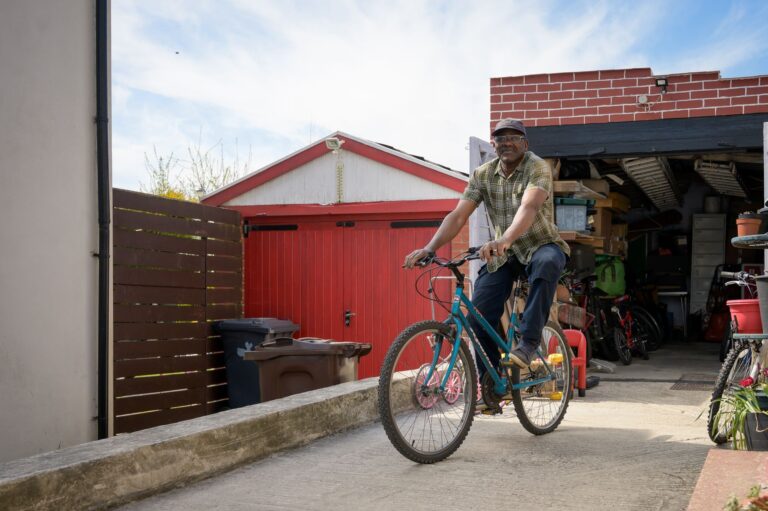
Choosing a hotel near mountain bike trails means prioritizing proximity to the trailhead, bike-specific amenities like wash stations and secure storage, and staff who actually know the local trail system. The right property turns a riding trip into a smoother experience by cutting shuttle time, protecting your bike overnight, and giving you fast access to repairs or trail advice.
Riders who travel for mountain biking have different needs than typical vacationers. A ski lodge with ski racks isn't built for muddy tires and greasy chains, and a generic highway motel won't have anyone who can tell you which trail is rideable after rain. Matching the hotel to the sport, not just the destination, is the real decision.
Table of Contents
- Why Location Relative to the Trailhead Matters Most
- Bike-Specific Amenities Worth Checking For
- What to Ask Before Booking
- Matching Hotel Type to Trip Style
- Protecting Your Bike During the Stay
Why Location Relative to the Trailhead Matters Most
Distance from the hotel to the actual trail access point affects more than convenience. A property within walking or short riding distance of the trailhead lets you avoid loading bikes onto a vehicle for every ride, which matters most on multi-day trips when you want to lap a trail system in the morning and again in the evening. Towns built around mountain biking tourism, such as those near well-known trail networks in the western United States and parts of Appalachia, often have lodging clustered within a mile or two of the main trail access.
Staying farther out usually means driving, which adds a logistics step and limits spontaneous shorter rides between other activities. Check trail maps before booking, not just hotel marketing copy. Some properties advertise "trail access" that actually means a connector path adding significant mileage before the real singletrack begins. Confirming the exact distance from the parking lot or hotel door to the trail network prevents a surprise on arrival.
Bike-Specific Amenities Worth Checking For
A hotel built with cyclists in mind typically offers a few practical features that a standard property skips. These amenities save time and protect equipment that can cost thousands of dollars.
Not every property with these features advertises them clearly. Calling ahead or checking recent guest reviews for mentions of "bike wash" or "bike storage" is more reliable than relying on an amenities checklist alone.
- Secure, lockable bike storage separate from guest rooms, so bikes aren't carried through lobbies or left on balconies
- An outdoor wash station or hose bib for rinsing mud and drivetrain grime before bikes go back in a vehicle
- A basic repair stand or tool area for quick adjustments between rides
- Proximity to a bike shop for tube replacements, derailleur issues, or rentals
- Covered parking or garage space for vehicles hauling bike racks or trailers
What to Ask Before Booking
A quick call to the hotel answers questions that photos and listings often don't. Staff at trail-town properties are usually used to these questions from cycling guests. Getting direct answers avoids arriving to find the "bike storage" is a shared hallway closet or that the trailhead is a fifteen-minute drive despite being listed as "nearby.".
- Is there a secure place to store bikes overnight, and is it included or an extra fee?
- Is there a hose, sink, or wash station accessible to guests for cleaning bikes?
- How far is the trailhead on foot or by bike from the property?
- Does the hotel have a relationship with a local shuttle service, bike shop, or guide?
- Are rooms on the ground floor available, which simplifies moving a bike in and out?
Matching Hotel Type to Trip Style
The right property depends on how you're riding, not just where. A single rider doing an overnight stop has different priorities than a group planning several days of laps. A basic motel near the trailhead works well for a quick in-and-out trip where the goal is maximizing ride time and minimizing cost.
For multi-day trips, a property with laundry access matters more, since riding gear needs to be washed and dried between days on the trail. Groups traveling together often do better with vacation rentals or larger lodges that include a garage or mudroom-style entry, since several sets of muddy gear and multiple bikes can overwhelm a standard hotel room. Destinations built around a trail network sometimes have lodging options specifically marketed to cyclists, including bike-friendly bed-and-breakfasts or small inns run by former or current riders. These hosts often know current trail conditions better than any app, including which sections are closed for maintenance or too wet to ride.
Protecting Your Bike During the Stay
A mountain bike left unattended, even briefly, is a target for theft, especially in trail towns during peak season. Taking a few practical steps reduces that risk regardless of what the hotel offers. A hotel's claimed security and its actual security aren't always the same thing, so personal precautions remain necessary even at bike-focused properties.
- Use a cable or chain lock even when storage is described as secure, since "secure" can mean different things to different properties
- Avoid leaving bikes visible on a vehicle rack overnight in a hotel parking lot
- Photograph your bike's serial number and frame before the trip in case you need to report a theft
- Ask the front desk whether the property has had reported bike thefts, since staff are often aware even if it's not publicized