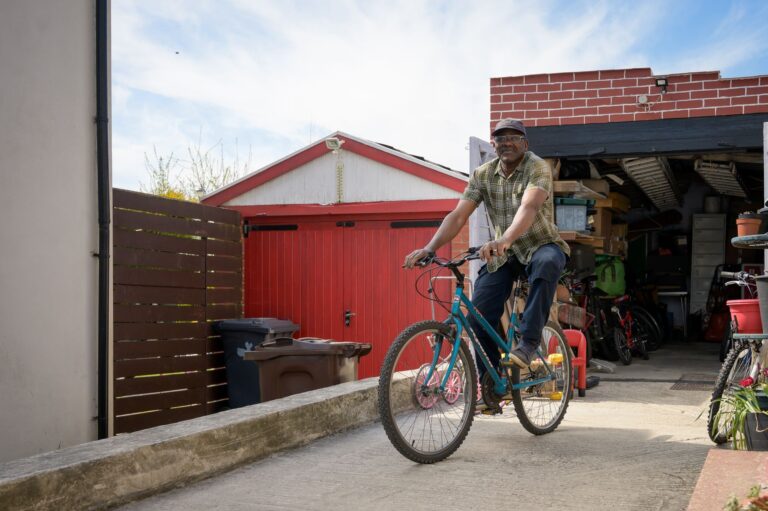
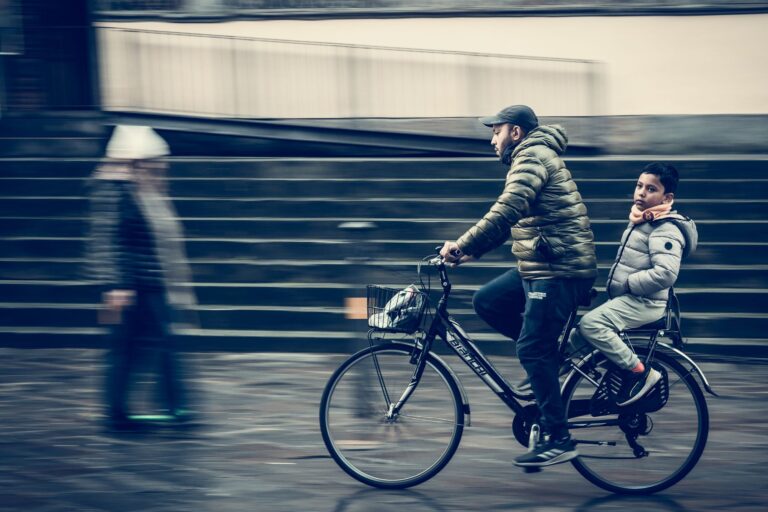
A daily commuter bike for lifestyle riding typically costs $400 to $900 for a solid non-electric model, or $1,500 to $2,500 for an electric one. That range covers a reliable hybrid or commuter-specific bike with disc brakes, a comfortable upright position, and parts that hold up to year-round riding. Spending less usually means a heavier frame and lower-quality components that wear out faster, while spending more buys marginal gains unless you add electric assist. The right number for you depends on your commute distance, terrain, and whether you want pedal assist for hills or longer rides.
Table of Contents
- What does a solid non-electric commuter bike cost?
- Why electric commuter bikes cost more
- What else does a commuter setup actually cost?
- How much are people actually spending on bikes right now?
- How to set your own budget
What does a solid non-electric commuter bike cost?
Entry-level hybrid and commuter bikes from established brands generally start around $400 to $700, according to a 2026 commuting cost breakdown from Money Crashers. Bikes priced under $300, often sold at department stores, tend to be heavier and less durable, which matters more once a bike is doing daily duty rather than occasional weekend rides. Trek's current FX hybrid line illustrates where the money goes.
The FX 1 Stepover Gen 4 sells for $699, while the FX 2 Stepover Gen 4 runs $899 and adds a Shimano CUES drivetrain and hydraulic disc brakes, according to 99spokes' bike-price tracker for the 2026 model year. That $200 jump buys better stopping power in wet weather and a drivetrain built to handle more miles without frequent adjustment — both relevant for someone riding the same route five days a week. For riders who want more range, a road or gravel bike suited to longer commutes typically runs $500 to $2,000, per Cyclinginfo.co.uk's buying guide. The same guide notes that spending beyond $2,000 produces only marginal performance improvements for someone using the bike mainly to get to work, rather than to race.
Why electric commuter bikes cost more
An electric commuter bike adds a motor, battery, and controller, which pushes the price well above a standard bike. Retailer Letrigo's 2026 price guide places mainstream commuter e-bikes at $1,500 to $2,500, with premium models using mid-drive motors running $2,500 to $4,000, according to Letrigo's electric bike cost guide. Prices across all e-bike categories span roughly $600 to $8,000, but a separate 2026 cost analysis finds that quality commuter-focused e-bike models cluster at $1,000 to $2,500, per a cost guide on electric bike pricing.
That cluster is a useful target: it's high enough to get a dependable motor and battery, without paying premium prices for performance features — like a high-end mid-drive system — that matter more for mountain biking than for a flat commute. The case for paying extra comes down to your route. Pedal assist flattens hills, extends comfortable range, and reduces how sweaty you arrive at work — benefits that matter most if your commute is long, hilly, or you're riding in work clothes.
What else does a commuter setup actually cost?
The sticker price on a bike isn't the full cost of commuting on it. A fully equipped commuter build — adding a rack, lights, and fenders to a disc-brake hybrid like the Trek FX — lands near $1,000 total, according to a June 2026 buying guide from Rouvy. That's a reasonable benchmark for a bike that's actually ready for daily use in any weather, not just a fair-weather ride.
Beyond the bike itself, commuting-specific gear commonly adds another $65 to $260, covering a helmet, lock, lights, and panniers or a rack, per a 2026 UK e-bike commuting cost guide. A quality lock alone is worth budgeting $60 to $90 for, since a cheap lock turns an otherwise solid commuter bike into an easy theft target, a point raised repeatedly in buying advice discussed on BikeForums. Here's what a realistic first-year commuter budget looks like once accessories are included: Skipping the lock or lights to save money is the wrong place to cut, since both protect the investment you already made in the bike.
- Bike: $400–$900 (non-electric) or $1,500–$2,500 (electric)
- Lock: $60–$90
- Lights, fenders, rack: roughly $65–$260 combined
- Helmet: typically included in the accessory range above
How much are people actually spending on bikes right now?
Industry sales data gives a sense of what real buyers are paying, separate from what a buying guide recommends. The average online bike order value rose to $458 in 2025, up from $427 in 2024, even as unit sales fell about 4% year over year, according to dealer network Workstand's analysis of bike industry data. Fewer people are buying bikes, but the ones who do are paying more per bike — consistent with buyers choosing better-equipped commuter and hybrid models over bargain-bin options.
A separate market model from Statista projects a volume-weighted average US bicycle price of about $1,030 for 2026, according to Statista's bicycle market data. That figure blends every bike category sold, including higher-priced road and electric bikes, so it reads higher than the $400–$900 range for a basic commuter hybrid. It's useful mainly as a sense check: a commuter-specific budget sitting below $1,000 is not unusually cheap — it reflects a narrower, purpose-built category rather than the market as a whole.
How to set your own budget
Start with your commute distance and terrain before picking a price point. A short, flat commute under five miles rarely justifies an electric motor; a hybrid in the $700–$900 range, like Trek's FX 2, covers that case well.
A longer or hilly commute is where the extra cost of an e-bike starts paying for itself in sweat and time saved. Whatever the bike costs, the accessories that protect it and keep it visible in traffic are not optional extras — they're part of the actual cost of commuting by bike.
- Under 5 miles, mostly flat: a $400–$900 non-electric hybrid is usually enough
- 5–15 miles, or hilly terrain: consider a $1,500–$2,500 electric commuter bike
- Riding in all weather: budget for disc brakes, fenders, and lights from the start, not as a later add-on
- Parking the bike outside or in a shared area: prioritize a $60–$90 lock before upgrading the bike itself