Staying motivated to cycle regularly comes down to shifting your mindset from treating rides as workouts to embracing them as a core part of your routine—much like brushing your teeth or checking email. The key is removing friction from the decision-making process entirely. When cycling becomes something you do automatically rather than something you have to decide about each morning, motivation becomes irrelevant. A commuter who bikes to work five days a week doesn’t wake up asking themselves whether they feel like riding; they simply ride because it’s how they get there.
Motivation is actually the weakest tool in your arsenal for building a lasting cycling habit. Relying on motivation means you’ll stop riding as soon as that emotional boost fades—and it always does. Instead, sustainable cycling comes from two sources: environmental design (making it easier to ride than not to ride) and genuine enjoyment of the activity itself. When these two elements work together, you don’t need willpower or motivation anymore.
Table of Contents
- What Makes Some Cyclists Ride Every Week While Others Quit?
- The Motivation Trap and Why It Fails Long-Term
- Building Identity and Community Around Cycling
- Setting Up Your Environment for Automatic Cycling
- Avoiding the Burnout Cycle and Unrealistic Goals
- Tracking Progress Without Becoming Obsessive
- Looking Forward—How Cycling Fits Into a Sustainable Life
- Conclusion
- Frequently Asked Questions
What Makes Some Cyclists Ride Every Week While Others Quit?
The difference between cyclists who ride consistently and those who stop has little to do with fitness or natural talent. Research on habit formation shows that consistency matters far more than intensity, and the cyclists who stick with it have typically made cycling the path of least resistance in their daily lives.
Someone who keeps their bike by the door, wears cycling clothes to work once a week, or has a standing Tuesday night group ride is far more likely to maintain the habit than someone with an expensive road bike gathering dust in the garage and a vague goal to ride “whenever the weather is nice.” Environmental cues are more powerful than motivation. A cyclist who passes their bike every time they leave the house, or whose bike is positioned at eye level in their living room, will ride more frequently than one who has to navigate a storage closet to access it. The physical setup of your life—where your bike lives, what clothes are in your rotation, whether you’ve fixed that flat tire or not—determines your riding frequency far more than how fired up you feel on any given morning.
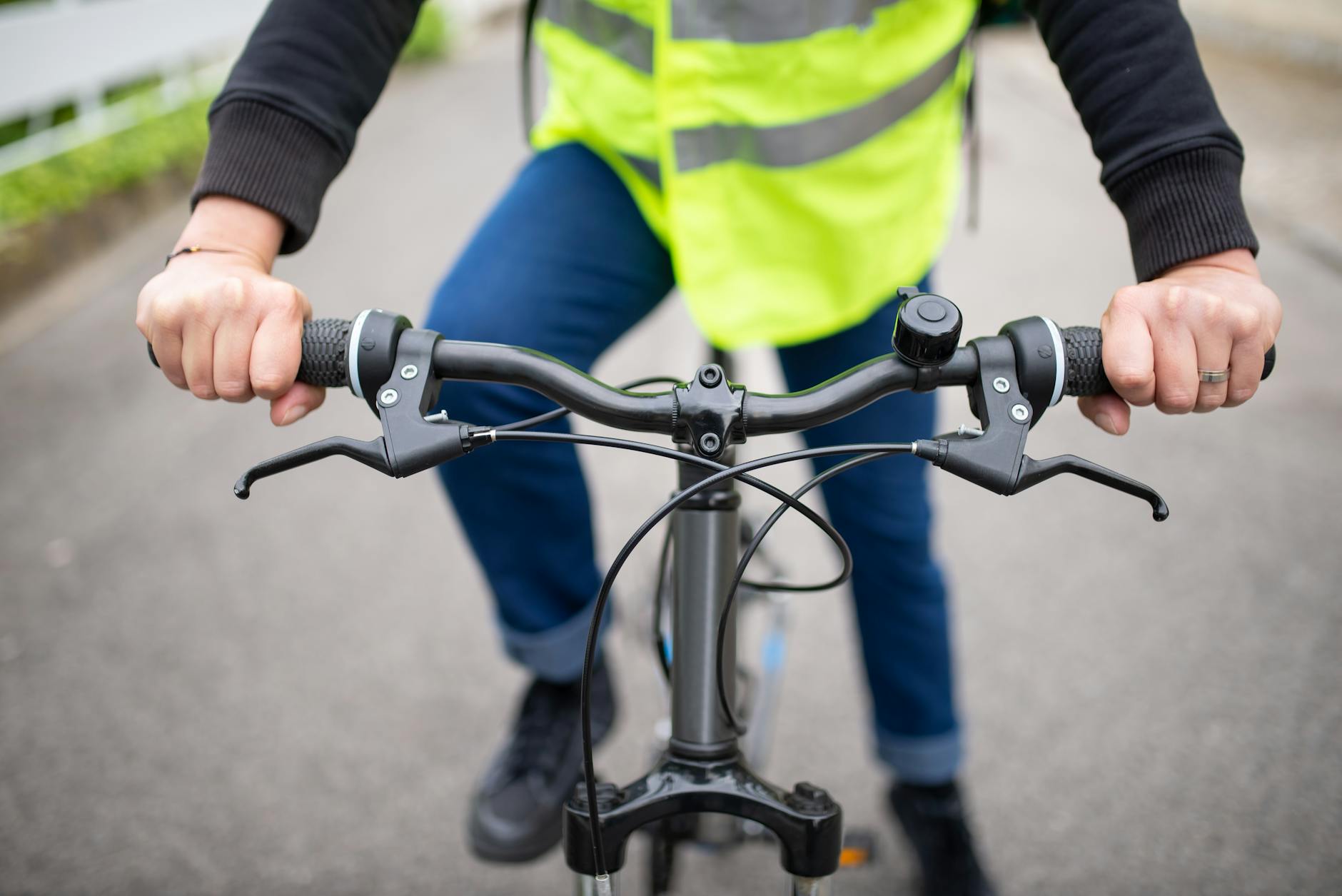
The Motivation Trap and Why It Fails Long-Term
Chasing the motivation high is appealing but ultimately self-defeating. Early in a new cycling routine, novelty creates genuine excitement. You’re learning new routes, your fitness is improving noticeably week to week, and rides feel fresh. But that novelty wears off, usually around week four to week twelve. When that happens, many cyclists interpret the fading buzz as a sign they’re losing interest, when actually they’re just reaching the normal baseline of adult behavior.
This is the critical juncture where most cyclists quit. The limitation of motivation-based riding is that it’s volatile and unsustainable. If your morning motivation depends on good weather, perfect sleep, no work stress, and the right Spotify playlist, you’ll find excuses roughly 70 percent of the time. Contrast that with cyclists who’ve built cycling into their routine—they’ll ride in drizzle, on tired days, or even without music because the decision has already been made for them. A factory worker in Copenhagen who cycles in sleet doesn’t do it because she wakes up feeling inspired; she does it because it’s 6:30 AM, she needs to be at work, and the bike is the fastest way there.
Building Identity and Community Around Cycling
One of the most underrated drivers of consistent cycling is shifting from thinking “I’m someone who rides bikes” to being “a cyclist.” The identity change is subtle but powerful. People protect their identity. They make decisions that reinforce who they believe they are. Once cycling becomes part of your identity—not just an activity but a reflection of the kind of person you are—the motivation question disappears. You ride because you’re a cyclist, just like you exercise personal hygiene because you’re someone who takes care of themselves.
Community amplifies this identity shift dramatically. Joining a weekly group ride, even a casual one, creates social accountability and transforms cycling from a solitary activity into a social one. A rider who has three friends expecting them at the Tuesday night meetup will show up even on days when solo rides seem appealing. That same rider is also more likely to share photos from rides, invest in better gear, and spend time researching new routes. The community aspect feeds the identity, which feeds the habit.

Setting Up Your Environment for Automatic Cycling
The most practical shift you can make is removing every barrier between waking up and riding. This means bike maintenance done in advance—tires pumped, chain clean, gears adjusted—so that “broken equipment” can never be an excuse. It means having cycling clothes already integrated into your normal wardrobe rotation, not hidden in a special drawer. It means identifying the one or two cycling activities you actually enjoy—whether that’s gravel riding, commuting, early morning loop rides, or mountain biking—and structuring your week around those specific activities rather than trying to force yourself into cycling routines that don’t suit your preferences.
There’s a real tradeoff to consider here. If you optimize your environment for early morning commute rides, you might find it harder to convince yourself to ride in the evening for leisure. If you make your gravel bike your primary transportation, you might spend less time on road rides. The practical solution is to admit which type of cycling you genuinely prefer and build your environment around that. A rider who tolerates road cycling but genuinely loves mountain biking will ride more consistently if they prioritize weekend trail time over forcing daily road commutes.
Avoiding the Burnout Cycle and Unrealistic Goals
One of the biggest threats to long-term cycling motivation is setting a riding frequency that’s unrealistic for your actual lifestyle. Many cyclists start strong with plans to ride six days a week, then feel like failures when real life—work deadlines, family commitments, terrible weather, illness—inevitably disrupts that schedule. This boom-and-bust pattern is actually worse for building a lasting habit than a more modest goal that you consistently hit.
The warning here is explicit: aiming for the impossible sets you up for a guilt-failure cycle that eventually kills motivation entirely. A cyclist who commits to riding twice a week and actually hits that target is building a far stronger habit than one who aims for five rides and averages two. Start with a frequency you can sustain during your hardest weeks, not your best weeks. Then, once that frequency becomes genuinely automatic—truly requiring no willpower—you can add more rides without the risk of derailing everything.
Tracking Progress Without Becoming Obsessive
Some cyclists find that logging their rides—distance, time, route, how they felt—creates useful structure and motivation. Apps and cycling computers provide data that can show improvements you might not feel day-to-day, and reviewing a month’s worth of rides gives you a concrete sense of consistency. A cyclist who sees they’ve ridden 200 miles over four weeks is often more motivated to maintain that streak than one without any tracking.
However, there’s a real risk of tracking becoming more important than riding. The minute you’re skipping rides because they won’t look impressive in your log, or choosing routes based on which will be most satisfying to log rather than which you’ll actually enjoy, you’ve lost the plot. Tracking is a tool to reinforce the habit you’ve already built, not a replacement for genuine enjoyment or environmental design.
Looking Forward—How Cycling Fits Into a Sustainable Life
The future of your cycling consistency isn’t determined by how motivated you feel today. It’s determined by the choices you make about your environment, your identity, and your community over the next few months. Each commute you take, each group ride you attend, each piece of equipment you maintain is a vote for “I’m a cyclist.” These votes accumulate.
As you think about long-term cycling, recognize that your reasons for riding will probably shift over time. A cyclist might start riding for fitness, then discover they love the commute time as a thinking space, then later find their deepest satisfaction in weekend rides with friends. That evolution is normal and actually strengthens the habit—you’re not relying on one source of motivation, but drawing from several. This diversity of reasons makes your habit almost unbreakable.
Conclusion
Staying motivated to cycle regularly isn’t really about motivation at all. It’s about building a life where cycling is the easiest option, where your identity includes being a cyclist, and where you have community reinforcement. Remove the friction from getting on your bike. Make cycling automatic. Connect with other cyclists.
Do this, and motivation becomes irrelevant—you’ll simply ride because that’s who you are and what you do. The strongest cyclists aren’t the ones who feel the most inspired on Monday morning. They’re the ones who’ve made riding so integral to their routine and identity that not riding would feel strange. Start today by moving your bike to a more visible location, signing up for one group ride, or scheduling a commute ride into your calendar. The habit will follow.
Frequently Asked Questions
How long does it take for cycling to become automatic?
Most research on habit formation suggests 4-8 weeks for a behavior to stop requiring active willpower, though 3-4 months is more realistic for it to feel truly automatic across varying conditions. This varies widely based on your starting point and how much friction you’ve removed.
Should I cycle on days when I don’t feel like it?
Yes, but only if you’ve made it extremely low-friction. A 15-minute easy ride on a day you’re unmotivated is valuable because it reinforces the identity and habit. However, forcing yourself into a hard workout on a day you’re genuinely exhausted isn’t necessary and can be counterproductive.
What if I’m too sore or tired to ride?
Recovery matters. The key is distinguishing between laziness/lack of motivation (which you should push through) and genuine fatigue that requires rest (which you should respect). If you’re consistently too tired to ride after easy sessions, that’s usually a sign you’re riding too hard or too frequently.
Does bad weather mean I should skip riding?
Not if you’ve made your environment support all-weather riding. Proper gear makes a huge difference in whether bad weather feels like an obstacle or just a normal condition. Most cyclists discover they actually enjoy riding in rain once they’re not soaked and miserable.
How do I find a cycling community if I don’t know anyone?
Local bike shops often host group rides, sometimes multiple times per week at different paces. Many shops have email lists or social media groups where rides are announced. Starting with one group ride, even if you feel intimidated, is often enough to meet your first cycling friends.
Can I stay motivated cycling alone, without a group?
Yes, but it requires more environmental design and intentional structure. Having a planned route, cycling at the same time each day, and tracking your rides can provide the structure that a group naturally provides. Many strong solo cyclists also engage with online communities for that social element.


